Search

  • HOME
  • Search
Review Article
Hematology
Genetic classification and confirmation of inherited platelet disorders: current status in Korea
Ye Jee Shim
Clin Exp Pediatr. 2020;63(3):79-87.   Published online February 6, 2020
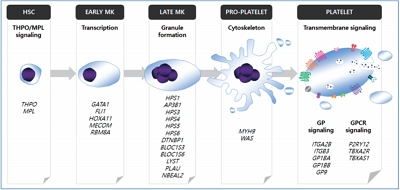
Inherited platelet disorders (IPDs), which manifest as primary hemostasis defects, often underlie abnormal bleeding and a family history of thrombocytopenia, bone marrow failure, hematologic malignancies, undefined mucocutaneous bleeding disorder, or congenital bony defects. Wide heterogeneity in IPD types with regard to the presence or absence of thrombocytopenia, platelet dysfunction, bone marrow failure, and dysmegakaryopoiesis is observed in patients. The individual...
Original Article
General Pediatrics
Prevalence of hyperuricemia and its association with metabolic syndrome and cardiometabolic risk factors in Korean children and adolescents: analysis based on the 2016–2017 Korea National Health and Nutrition Examination Survey
Jung Hyun Lee
Clin Exp Pediatr. 2019;62(8):317-323.   Published online June 24, 2019

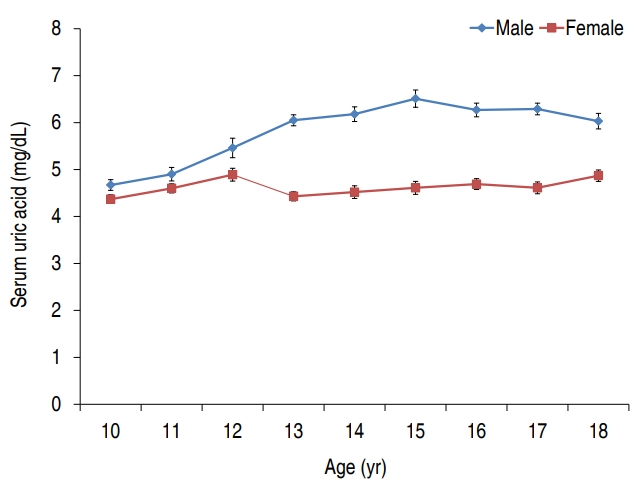
Purpose: Investigating the prevalence of hyperuricemia and its association with metabolic syndrome (MetS) and cardiometabolic risk factors (CMRFs) in Korean children and adolescents. Methods: This cross-sectional survey used data from the 7th Korea National Health and Nutrition Examination Survey (2016–2017); 1,256 males and females aged 10–18 years were included. Hyperuricemia was defined as serum uric acid levels were >6.6 mg/dL at...
Review Article
Neonatology (Perinatology)
Surfactant preparations for preterm infants with respiratory distress syndrome: past, present, and future
Ga Won Jeon
Clin Exp Pediatr. 2019;62(5):155-161.   Published online February 8, 2019
Following the first successful trial of surfactant replacement therapy for preterm infants with respiratory distress syndrome (RDS) by Fujiwara in 1980, several animal-derived natural surfactants and synthetic surfactants have been developed. Synthetic surfactants were designed to overcome limitations of natural surfactants such as cost, immune reactions, and infections elicited by animal proteins contained in natural surfactants. However, first-generation synthetic surfactants...
Original Article
Endocrinology
Comparison of effectiveness of growth hormone therapy according to disease-causing genes in children with Noonan syndrome
Kyo Jin Jo, Yoo Mi Kim, Ju Young Yoon, Yeoun Joo Lee, Young Mi Han, Han-Wook Yoo, Hyang-Sook Kim, Chong Kun Cheon
Clin Exp Pediatr. 2019;62(7):274-280.   Published online December 3, 2018

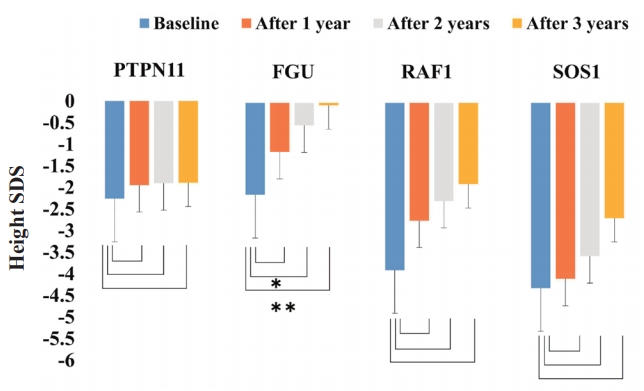
Purpose: To analyze the growth response to growth hormone (GH) therapy in prepubertal patients with Noonan syndrome (NS) harboring different genetic mutations. Methods: Twenty-three patients with prepubertal NS treated at Pusan National University Children’s Hospital between March 2009 and July 2017 were enrolled. According to the disease-causing genes identified, the patients with NS were divided into 4 groups. Three groups were...
Case Report
Nephrology (Genitourinary)
De novo mutations in COL4A5 identified by whole exome sequencing in 2 girls with Alport syndrome in Korea
Kyoung Hee Han, Jong Eun Park, Chang-Seok Ki
Clin Exp Pediatr. 2019;62(5):193-197.   Published online November 26, 2018
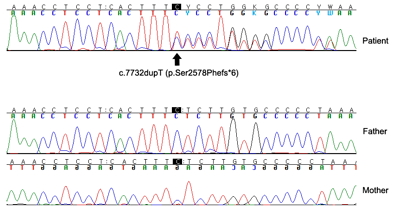
Alport syndrome (ATS) is an inherited glomerular disease caused by mutations in one of the type IV collagen novel chains (α3, α4, and α5). ATS is characterized by persistent microscopic hematuria that starts during infancy, eventually leading to either progressive nephritis or end-stage renal disease. There are 3 known genetic forms of ATS, namely X-linked ATS, autosomal recessive ATS, and...
Original Article
Neonatology (Perinatology)
Association between vitamin D level at birth and respiratory morbidities in very-low-birth-weight infants
Ian Kim, Sung Shin Kim, Jee In Song, Seock Hwa Yoon, Ga Young Park, Yong-Wha Lee
Clin Exp Pediatr. 2019;62(5):166-172.   Published online October 24, 2018

Purpose: This study aimed to evaluate vitamin D status at birth in very-low-birth-weight infants (VLBWIs: <1,500 g) and to determine the association between vitamin D level and respiratory morbidity. Methods: A retrospective study was conducted at Soonchunhyang University Bucheon Hospital between November 2013 and November 2017. We collected blood samples and data on respiratory morbidity from 230 VLBWIs on the first...
Nephrology (Genitourinary)
Changes in the thyroid hormone profiles in children with nephrotic syndrome
Sun Hee Jung, Jeong Eun Lee, Woo Yeong Chung
Clin Exp Pediatr. 2019;62(3):85-89.   Published online October 4, 2018

Purpose: We compared thyroid hormone profiles in children with nephrotic syndrome (NS) during the nephrotic phase and after remission. Methods: This study included 31 pediatric NS patients. The thyroid hormone profiles included serum levels of triiodothyronine (T3), thyroxine (T4), thyroid-stimulating hormone (TSH), and free T4. Results: Of the 31 patients, 16 (51.6%) showed abnormal thyroid hormone profiles: 6 had overt hypothyroidism, 8...
Case Report
Genetics and Metabolism
The first Korean case with Floating-Harbor syndrome with a novel SRCAP mutation diagnosed by targeted exome sequencing
Eun Mi Choi, Dong Hyun Lee, Seok Jin Kang, Ye Jee Shim, Heung Sik Kim, Jun Sik Kim, Jong In Jeong, Jung-Sook Ha, Ja-Hyun Jang
Clin Exp Pediatr. 2018;61(12):403-406.   Published online September 16, 2018
Floating-Harbor syndrome is a rare autosomal dominant genetic disorder associated with SRCAP mutation. To date, approximately 50 cases of Floating-Harbor syndrome have been reported, but none have been reported in Korea yet. Floating-Harbor syndrome is characterized by delayed bony maturation, unique facial features, and language impairment. Here, we present a 6-year-old boy with a triangular face, deep-set protruding eyes, low-set...
Original Article
Neonatology (Perinatology)
Transient intubation for surfactant administration in the treatment of respiratory distress syndrome in extremely premature infants
Ji Won Koh, Jong-Wan Kim, Young Pyo Chang
Clin Exp Pediatr. 2018;61(10):315-321.   Published online September 16, 2018

Purpose: To investigate the effectiveness of transient intubation for surfactant administration and extubated to nasal continuous positive pressure (INSURE) for treatment of respiratory distress syndrome (RDS) and to identify the factors associated with INSURE failure in extremely premature infants. Methods: Eighty-four infants with gestational age less than 28 weeks treated with surfactant administration for RDS for 8 years were included. Perinatal...
Cardiology
Differentiation between incomplete Kawasaki disease and secondary hemophagocytic lymphohistiocytosis following Kawasaki disease using N-terminal pro-brain natriuretic peptide
Jung Eun Choi, Yujin Kwak, Jung Won Huh, Eun-Sun Yoo, Kyung-Ha Ryu, Sejung Sohn, Young Mi Hong
Clin Exp Pediatr. 2018;61(5):167-173.   Published online May 28, 2018
Purpose

Hemophagocytic lymphohistiocytosis (HLH) is a hyperinflammatory syndrome with many causes, including Kawasaki disease (KD). The purpose of this study was to identify the laboratory tests needed to easily differentiate KD with HLH from incomplete KD alone.

Methods

We performed a retrospective study on patients diagnosed with incomplete KD and incomplete KD with HLH (HLH-KD) between January 2012 and March 2015. We compared...

Case Report
Gastroenterology
Intestinal duplication revealed by posterior reversible encephalopathy syndrome
Yosra Kerkeni, Hela Louati, Mourad Hamzaoui
Clin Exp Pediatr. 2018;61(4):132-134.   Published online April 23, 2018

We report a unique case of intestinal duplication detected on posterior reversible encephalopathy syndrome (PRES) in a 13-year-old girl. She was admitted to the pediatric Emergency Department because of generalized seizures. Radiological assessment revealed a large, well-defined, thick-walled cystic lesion in the mid abdomen, suggestive of duplication cyst associated to a PRES. Exploration confirmed the diagnosis of ileal duplication cyst,...

Review Article
Nephrology (Genitourinary)
Atypical hemolytic uremic syndrome and eculizumab therapy in children
Seong Heon Kim, Hye Young Kim, Su Young Kim
Clin Exp Pediatr. 2018;61(2):37-42.   Published online February 28, 2018

Hemolytic uremic syndrome (HUS) is often encountered in children with acute kidney injury. Besides the well-known shiga toxin-producing Escherichia coli-associated HUS, atypical HUS (aHUS) caused by genetic complement dysregulation has been studied recently. aHUS is a rare, chronic, and devastating disorder that progressively damages systemic organs, resulting in stroke, end-stage renal disease, and death. The traditional treatment for aHUS is...

Original Article
Cardiology
Subtle inflammation: a possible mechanism of future cardiovascular risk in obese children
Watchareewan Sontichai, Prapai Dejkhamron, Peraphan Pothacharoen, Prachya Kongtaweelert, Kevalee Unachak, Nuthapong Ukarapol
Clin Exp Pediatr. 2017;60(11):359-364.   Published online November 27, 2017
Purpose

The risk of cardiovascular disease (CVD) has been shown to be associated with systemic inflammation in obese adults with metabolic syndrome (MetS). The aims of this study were to evaluate the prevalence of MetS and its relation to inflammatory markers in obese Thai children.

Methods

A cross-sectional study was conducted. Children with history of endogenous obesity, chronic diseases, drug ingestion, and any...

Neurology
Serum neuron specific enolase is increased in pediatric acute encephalitis syndrome
Dian Pratamastuti, Prastiya Indra Gunawan, Darto Saharso
Clin Exp Pediatr. 2017;60(9):302-306.   Published online September 21, 2017
Purpose

This study aimed to investigate whether serum neuron-specific enolase (NSE) was expressed in acute encephalitis syndrome (AES) that causes neuronal damage in children.

Methods

This prospective observational study was conducted in the pediatric neurology ward of Soetomo Hospital. Cases of AES with ages ranging from 1 month to 12 years were included. Cases that were categorized as simple and complex febrile seizures...

Review Article
Neonatology (Perinatology)
Update of minimally invasive surfactant therapy
Gyu-Hong Shim
Clin Exp Pediatr. 2017;60(9):273-281.   Published online September 21, 2017

To date, preterm infants with respiratory distress syndrome (RDS) after birth have been managed with a combination of endotracheal intubation, surfactant instillation, and mechanical ventilation. It is now recognized that noninvasive ventilation (NIV) such as nasal continuous positive airway pressure (CPAP) in preterm infants is a reasonable alternative to elective intubation after birth. Recently, a meta-analysis of large controlled trials...

Original Article
Cardiology
Clinical usefulness of serum procalcitonin level in distinguishing between Kawasaki disease and other infections in febrile children
Na Hyun Lee, Hee Joung Choi, Yeo Hyang Kim
Clin Exp Pediatr. 2017;60(4):112-117.   Published online April 25, 2017
Purpose

The aims of this study were to compare serum procalcitonin (PCT) levels between febrile children with Kawasaki disease (KD) and those with bacterial or viral infections, and assess the clinical usefulness of PCT level in predicting KD.

Methods

Serum PCT levels were examined in febrile pediatric patients admitted between August 2013 and August 2014. The patients were divided into 3 groups as...

Case Report
Genetics and Metabolism
A compound heterozygous mutation in the FMO3 gene: the first pediatric case causes fish odor syndrome in Korea
Ji Hyun Kim, Sung Min Cho, Jong-Hee Chae
Clin Exp Pediatr. 2017;60(3):94-97.   Published online March 27, 2017

Trimethylaminuria (TMAuria), known as “fish odor syndrome,” is a congenital metabolic disorder characterized by an odor resembling that of rotting fish. This odor is caused by the secretion of trimethylamine (TMA) in the breath, sweat, and body secretions and the excretion of TMA along with urine. TMAuria is an autosomal recessive disorder caused by mutations in flavin-containing monooxygenase 3 (FMO3)....

Review Article
Nephrology (Genitourinary)
Genetics of hereditary nephrotic syndrome: a clinical review
Tae-Sun Ha
Clin Exp Pediatr. 2017;60(3):55-63.   Published online March 27, 2017

Advances in podocytology and genetic techniques have expanded our understanding of the pathogenesis of hereditary steroid-resistant nephrotic syndrome (SRNS). In the past 20 years, over 45 genetic mutations have been identified in patients with hereditary SRNS. Genetic mutations on structural and functional molecules in podocytes can lead to serious injury in the podocytes themselves and in adjacent structures, causing sclerotic...

Case Report
Neurology
Concurrency of Guillain-Barre syndrome and acute transverse myelitis: a case report and review of literature
Orkun Tolunay, Tamer Çelik, Ümit Çelik, Mustafa Kömür, Zeynep Tanyeli, Abdurrahman Sönmezler
Clin Exp Pediatr. 2016;59(Suppl 1):S161-S164.   Published online November 30, 2016

Guillain-Barré syndrome and acute transverse myelitis manifest as demyelinating diseases of the peripheral and central nervous system. Concurrency of these two disorders is rarely documented in literature. A 4-year-old girl presenting with cough, fever, and an impaired walking ability was admitted to hospital. She had no previous complaints in her medical history. A physical examination revealed lack of muscle strength...

Nephrology (Genitourinary)
Posterior reversible encephalopathy syndrome caused by presumed Takayasu arteritis
Ki Wuk Lee, Sang Taek Lee, Heeyeon Cho
Clin Exp Pediatr. 2016;59(Suppl 1):S145-S148.   Published online November 30, 2016

Takayasu arteritis (TA) is a chronic inflammatory disease of unknown etiology that affects mainly the aorta, main aortic branches, and pulmonary arteries. Diverse neurological manifestations of TA have rarely been reported in children. Posterior reversible encephalopathy syndrome (PRES) is a neuroradiological condition that presents with headache, seizure, visual disturbances, and characteristic lesions on imaging. Inflammatory condition and severe hypertension in...

Neurology
A pediatric case of idiopathic Harlequin syndrome
Ju Young Kim, Moon Souk Lee, Seung Yeon Kim, Hyun Jung Kim, Soo Jin Lee, Chur Woo You, Jon Soo Kim, Ju Hyung Kang
Clin Exp Pediatr. 2016;59(Suppl 1):S125-S128.   Published online November 30, 2016

Harlequin syndrome, which is a rare disorder caused by dysfunction of the autonomic system, manifests as asymmetric facial flushing and sweating in response to heat, exercise, or emotional factors. The syndrome may be primary (idiopathic) with a benign course, or can occur secondary to structural abnormalities or iatrogenic factors. The precise mechanism underlying idiopathic harlequin syndrome remains unclear. Here, we...

Endocrinology
Concomitant occurrence of Turner syndrome and growth hormone deficiency
Jung Yu, Ha Young Shin, Chong Guk Lee, Jae Hyun Kim
Clin Exp Pediatr. 2016;59(Suppl 1):S121-S124.   Published online November 30, 2016

Turner syndrome (TS) is a genetic disorder in phenotypic females that has characteristic physical features and presents as partial or complete absence of the second sex chromosome. Growth hormone deficiency (GHD) is a condition caused by insufficient release of growth hormone from the pituitary gland. The concomitant occurrence of TS and GHD is rare and has not yet been reported...

Hashimoto thyroiditis with an unusual presentation of cardiac tamponade in Noonan syndrome
Mi Ji Lee, Byung Young Kim, Jae Sook Ma, Young Earl Choi, Young Ok Kim, Hwa Jin Cho, Chan Jong Kim
Clin Exp Pediatr. 2016;59(Suppl 1):S112-S115.   Published online November 30, 2016

Noonan syndrome is an autosomal dominant, multisystem disorder. Autoimmune thyroiditis with hypothyroidism is an infrequent feature in patients with Noonan syndrome. A 16-year-old boy was admitted because of chest discomfort and dyspnea; an echocardiogram revealed pericardial effusion. Additional investigations led to a diagnosis of severe hypothyroidism due to Hashimoto thyroiditis. The patient was treated with L-thyroxine at 0.15 mg daily....

Nephrology (Genitourinary)
A novel mutation of CLCNKB in a Korean patient of mixed phenotype of Bartter-Gitelman syndrome
Hee-Won Cho, Sang Taek Lee, Heeyeon Cho, Hae Il Cheong
Clin Exp Pediatr. 2016;59(Suppl 1):S103-S106.   Published online November 30, 2016

Bartter syndrome (BS) is an inherited renal tubular disorder characterized by low or normal blood pressure, hypokalemic metabolic alkalosis, and hyperreninemic hyperaldosteronism. Type III BS is caused by loss-of-function mutations in CLCNKB encoding basolateral ClC-Kb. The clinical phenotype of patients with CLCNKB mutations has been known to be highly variable, and cases that are difficult to categorize as type III...

Eosinophilic gastroenteritis in an 18-year-old male with prolonged nephrotic syndrome
Da Min Choi, Jung Eun Pyun, Hyung Eun Yim, Kee Hwan Yoo, Jung Ok Shim, Eun Jung Lee, Nam Hee Won
Clin Exp Pediatr. 2016;59(Suppl 1):S72-S75.   Published online November 30, 2016

Eosinophilic gastroenteritis is a rare disease characterized by prominent eosinophilic tissue infiltration of the gastrointestinal tract. Here, we report a case of eosinophilic gastroenteritis in an 18-year-old patient with prolonged nephrotic syndrome who presented with abdominal pain and peripheral hypereosinophilia. During the previous 2 years, he had visited local Emergency Department several times because of epigastric pain and nausea. He...

Neurology
A neonate with Joubert syndrome presenting with symptoms of Horner syndrome
Narae Lee, Sang-Ook Nam, Young Mi Kim, Yun-Jin Lee
Clin Exp Pediatr. 2016;59(Suppl 1):S32-S36.   Published online November 30, 2016

Joubert syndrome (JS) is characterized by the “molar tooth sign” (MTS) with cerebellar vermis agenesis, episodic hyperpnea, abnormal eye movements, and hypotonia. Ocular and oculomotor abnormalities have been observed; however, Horner syndrome (HS) has not been documented in children with JS. We present the case of a 2-month-old boy having ocular abnormalities with bilateral nystagmus, left-dominant bilateral ptosis, and unilateral...

Glucose transport 1 deficiency presenting as infantile spasms with a mutation identified in exon 9 of SLC2A1
Hyun Hee Lee, Yun Jung Hur
Clin Exp Pediatr. 2016;59(Suppl 1):S29-S31.   Published online November 30, 2016

Glucose transport 1 (GLUT-1) deficiency is a rare syndrome caused by mutations in the glucose transporter 1 gene (SLC2A1) and is characterized by early-onset intractable epilepsy, delayed development, and movement disorder. De novo mutations and several hot spots in N34, G91, R126, R153, and R333 of exons 2, 3, 4, and 8 of SLC2A1 are associated with this condition. Seizures,...

Endocrinology
Phelan-McDermid syndrome presenting with developmental delays and facial dysmorphisms
Yoon-Myung Kim, In-Hee Choi, Jun Suk Kim, Ja Hye Kim, Ja Hyang Cho, Beom Hee Lee, Gu-Hwan Kim, Jin-Ho Choi, Eul-Ju Seo, Han-Wook Yoo
Clin Exp Pediatr. 2016;59(Suppl 1):S25-S28.   Published online November 30, 2016

Phelan-McDermid syndrome is a rare genetic disorder caused by the terminal or interstitial deletion of the chromosome 22q13.3. Patients with this syndrome usually have global developmental delay, hypotonia, and speech delays. Several putative genes such as the SHANK3, RAB, RABL2B, and IB2 are responsible for the neurological features. This study describes the clinical features and outcomes of Korean patients with...

Neurology
1p36 deletion syndrome confirmed by fluorescence in situ hybridization and array-comparative genomic hybridization analysis
Dong Soo Kang, Eunsim Shin, Jeesuk Yu
Clin Exp Pediatr. 2016;59(Suppl 1):S14-S18.   Published online November 30, 2016

Pediatric epilepsy can be caused by various conditions, including specific syndromes. 1p36 deletion syndrome is reported in 1 in 5,000–10,000 newborns, and its characteristic clinical features include developmental delay, mental retardation, hypotonia, congenital heart defects, seizure, and facial dysmorphism. However, detection of the terminal deletion in chromosome 1p by conventional G-banded karyotyping is difficult. Here we present a case of...

Chromosome 11q13 deletion syndrome
Yu-Seon Kim, Gun-Ha Kim, Jung Hye Byeon, So-Hee Eun, Baik-Lin Eun
Clin Exp Pediatr. 2016;59(Suppl 1):S10-S13.   Published online November 30, 2016

Chromosome 11q13 deletion syndrome has been previously reported as either otodental syndrome or oculo-oto-dental syndrome. The otodental syndrome is characterized by dental abnormalities and high-frequency sensorineural hearing loss, and by ocular coloboma in some cases. The underlying genetic defect causing otodental syndrome is a hemizygous microdeletion involving the FGF3 gene on chromosome 11q13.3. Recently, a new form of severe deafness,...


TOPICS

Browse all articles >

ARTICLE CATEGORY

Browse all articles >

BROWSE ARTICLES
FOR CONTRIBUTORS
ABOUT
Editorial Office
Korean Pediatric Society
#1606 Seocho World Officetel, 19 Seoun-ro, Seocho-ku, Seoul 06732, Korea
Tel: +82-2-3473-7306    Fax: +82-2-3473-7307    E-mail: office@e-cep.org                

Clinical and Experimental Pediatrics is an open access journal. All articles are distributed under the terms of the Creative Commons Attribution NonCommercial License (http://creativecommons.org/licenses/by-nc/4.0/)

Copyright © 2026 by Korean Pediatric Society.      Developed in M2PI