
- Original Article
- Hematology
- Peripheral blood cell counts of prematurely born, small for gestational age neonates
- Mara O. Zuiderwijk, Sophie Groene, Enrico Lopriore, Vincent Bekker, Michiel H.D. Schoenaker
- Clin Exp Pediatr. 2026;69(7):572-581. Published online May 12, 2026
-
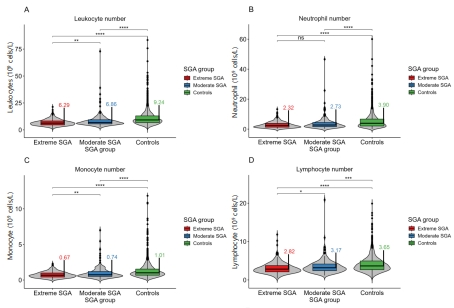
Question: As small for gestational age (SGA) neonates are more susceptible to infections, we hypothesized that their complete blood count and leukocyte differentiation might be affected.
Finding: The counts of multiple blood cells of extreme SGA neonates were affected as illustrated by multivariate analyses, which showed significant decreases in neutrophil, monocyte, lymphocyte, and thrombocyte counts.
Meaning: The mechanisms underlying this phenomenon and its clinical effects require further elucidation.
- Effects of induction-phase acute kidney injury and age at diagnosis on chronic kidney disease in pediatric acute lymphoblastic leukemia: a time-to-event cohort study
- Pongpak Phongphiew, Nuanpan Penboon, Kanhatai Chiengthong, Pornpimol Rianthavorn
- Clin Exp Pediatr. 2026;69(5):407-416. Published online March 5, 2026
-

Question: In pediatric acute lymphoblastic leukemia (ALL), what are the incidence and causes of induction-phase acute kidney injury (AKI), and which factors predict chronic kidney disease (CKD)?
Finding: Induction AKI occurred in 43% of patients, while CKD developed in 1 of 8 patients. The 5-year CKD-free survival rate was 94%. Older age at diagnosis was a continuous independent determinant of CKD risk.
Meaning: Induction AKI is common and clinically relevant. Older children warrant closer kidney monitoring during and after therapy.
- Outcomes of hematopoietic stem cell transplantation for pediatric patients with transfusion-dependent thalassemia in Thailand
- Kleebsabai Sanpakit, Kamala Laohverapanich, Bunchoo Pongtanakul, Nattee Narkbunnam, Chayamon Takpradit, Usanarat Anurathapan, Samart Pakakasama, Supanun Lauhasurayotin, Kanhatai Chiengthong, Thirachit Chotsampancharoen, Pornpun Sripornsawan, Piya Rujkijyanont, Duantida Songdej, Nongnuch Sirachainan, Suradej Hongeng
- Clin Exp Pediatr. 2026;69(4):340-352. Published online March 13, 2026
-
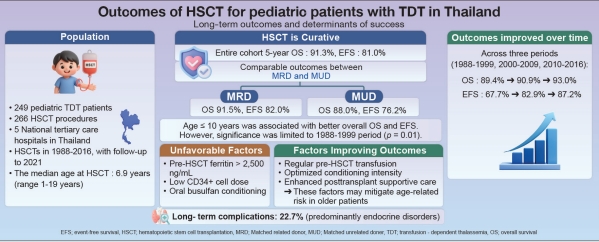
Question: Can hematopoietic stem cell transplantation (HSCT) cure pediatric transfusion-dependent thalassemia in Thailand? What influences its outcomes?
Finding: Among 266 HSCT procedures, 5-year overall survival and event-free survival rates were 91.3% and 81.0%, respectively. Outcomes were comparable between related and unrelated donors. Pre-HSCT ferritin >2,500 ng/mL, low CD34+ cell dose, and oral busulfan conditioning were associated with unfavorable survival. Longterm complications affected 22.7% of survivors.
Meaning: Optimizing pre-HSCT care, ensuring adequate grafting, and long-term surveillance are crucial.
- Granulocyte transfusion improves survival in pediatric febrile neutropenia: a 15-year cohort study
- Witsanu Phetsai, Kleebsabai Sanpakit, Jassada Buaboonnam, Kamon Phuakpet, Nassawee Vathana, Nattee Narkbunnam, Fon Kladed, Chayamon Takpradit
- Clin Exp Pediatr. 2026;69(3):236-246. Published online January 12, 2026
-

Question: Does granulocyte transfusion improve survival and clinical recovery in pediatric febrile neutropenia?
Finding: In this 15-year real-world cohort, granulocyte transfusion significantly increased 30-day survival (92.3 % vs. 65.4%; adjusted odds ratio, 0.105; P=0.020) and accelerated fever and neutrophil recovery without serious adverse events.
Meaning: Granulocyte transfusion may be an effective adjunctive therapy for severe neutropenic infections in children, particularly in low- and middle-income settings.
- Assessment of natural killer cell subpopulations in pediatric patients with transfusion-dependent β-thalassemia major
- Fathia Ibrahim Elbassal, Mohamed Abdel Rehim Soliman, Nourhan Hossam Eldin Mohamed, Mai El-Sayad Abd El-Hamid, Hanan Hassan El-Sheity
- Clin Exp Pediatr. 2025;68(12):981-990. Published online September 12, 2025
-

Question: How does iron overload affect immunity in pediatric patients with transfusion-dependent β-thalassemia major?
Finding: Iron overload in these patients is associated with disrupted natural killer (NK) cell subpopulations, reflecting impaired innate immunity.
Meaning: This highlights the need to monitor immune profile alongside iron status during thalassemia management.
- Evaluation of Bak and Bcl-Xl gene expression among pediatric patients with acute primary immune thrombocytopenia
- Amira Zaki Badawy, Samia Hassan Kandel, Iman Aly Ahmedy, Mahmoud Ahmed Elhawy, Sally Mohamed El-Hefnawy, Dina Fouad Sief El-Nasr Zidan, Hanan Hassan El-sheity
- Clin Exp Pediatr. 2025;68(11):901-908. Published online August 6, 2025
-

The B-cell lymphoma protein 2 family proteins Bak and Bcl- Xl, important markers of apoptosis, may contribute to primary immune thrombocytopenia (ITP). Thus, their expression may serve as biomarkers for the diagnosis and monitoring of pediatric ITP. Targeting these pathways may improve platelet survival, particularly in treatment-resistant cases. Personalized treatments based on apoptotic profiles can optimize therapy and reduce the unnecessary use of immunosuppressive drugs.
- Hyperhomocysteinemia in pediatric β-thalassemia: links to vitamin cofactor deficiencies and oxidative stress
- Arzu Dadashova, Gunay Aliyeva, Rana Rahimova, Gulnara Azizova, Khayala Mammadova
- Clin Exp Pediatr. 2025;68(10):819-830. Published online July 8, 2025
-

Question: What are the biochemical and clinical correlates of hyperhomocysteinemia in pediatric β-thalassemia, and how does it relate to vitamin status, oxidative stress, and splenectomy?
Finding: Most pediatric β-thalassemia patients exhibited severe hyperhomocysteinemia, which was strongly associated with folate and B12 deficiencies and influenced oxidative stress patterns, particularly in splenectomized individuals.
Meaning: These findings suggest that routine monitoring and correction of B-vitamin deficiencies may mitigate hyperhomocysteinemia-related risks in pediatric thalassemia.
- Hematopoietic stem cell transplantation in pediatric patients with type VI mucopolysaccharidosis
- Vedat Uygun, Koray Yalçın, Hayriye Daloğlu, Seda Öztürkmen, Suna Çelen, Suleimen Zhumatayev, Gülsün Karasu, Akif Yeşilipek
- Clin Exp Pediatr. 2025;68(8):601-607. Published online March 11, 2025
-
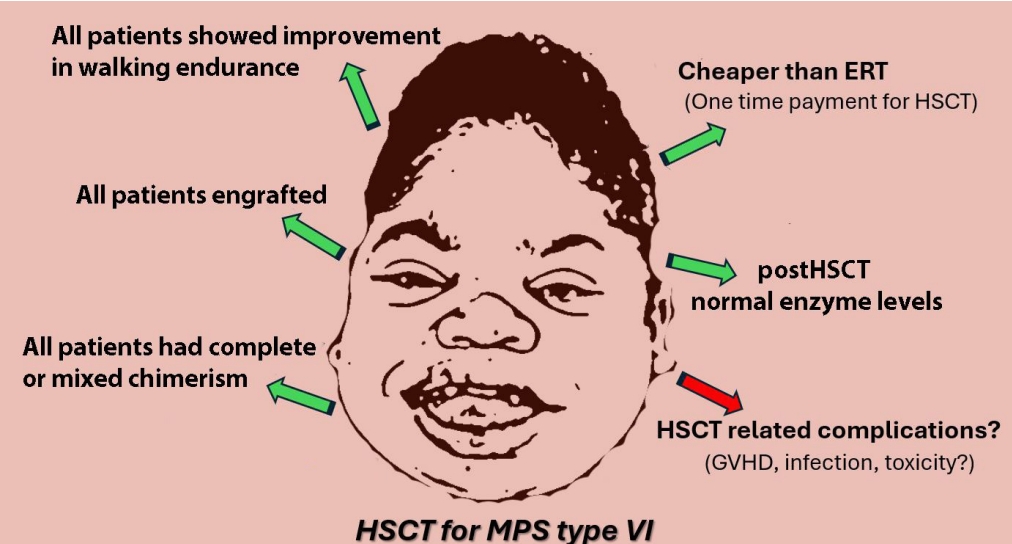
Question: Could hematopoietic stem cell transplantation (HSCT) be an alternative to enzyme replacement therapy (ERT) for type VI mucopolysaccharidosis (MPS VI)?
Finding: HSCT is generally not offered due to reports of high toxicity and mortality. However, we detected fewer complications and graft-versus-host disease cases and no deaths with HSCT.
Meaning: HSCT is both less expensive than ERT and permanent; thus, it should be considered an alternative treatment for MPS VI.
- Treatment and clinical outcomes of pediatric autoimmune hemolytic anemia: real-world single-center data from Korea
- Young Dai Kwon, Eun Sun Jung, Yeon Jung Lim
- Clin Exp Pediatr. 2025;68(7):522-529. Published online April 16, 2025
-

Question: Can pediatric autoimmune hemolytic anemia (AIHA) be effectively managed using first-line steroids?
Finding: In this single-center study, pediatric patients with AIHA achieved normal hemoglobin levels within 16.5 days (range, 9.0–22.0 days) of first-line steroid treatment and maintained effective responses for 2 months.
Meaning: These outcomes highlight the efficacy of steroid treatment in pediatric versus adult AIHA and underscore the need for multicenter trials to establish standardized treatment guidelines.
- Impact of Xmn1 polymorphism on hydroxyurea therapy in children with HbE-β non-transfusion dependent thalassemia: a cohort study
- Saheli Roy, Paramita Bhattacharya, Atanu Kumar Dutta, Mrinal Kanti Das
- Clin Exp Pediatr. 2025;68(6):437-444. Published online February 3, 2025
-

Question: Does the T allele of Xmn1 polymorphism favorably influence hydroxyurea efficacy in children of Eastern descent with fetal hemoglobin (HbE)-β nontransfusion dependent thalassemia (NTDT)?
Finding: Decrease in transfusion requirement and increase in height following hydroxyurea therapy was noted in both groups, however, change in CT was more critical than that in CC genotype.
Meaning: T allele of Xmn1 polymorphism favorably influences hydroxyurea efficacy in children with HbE-β NTDT.
- Editorial
- Hematology
- Absolute versus functional iron deficiency
- Hye Lim Jung
- Clin Exp Pediatr. 2025;68(2):138-140. Published online November 13, 2024
-
· Iron deficiency (ID), the most common cause of anemia, can be classified into absolute and functional types. Absolute ID is a state of low total body iron, while functional ID is a state of imbalance between iron demand and iron availability due to inflammation and/or infection.
· ID is diagnosed by serum ferritin and transferrin saturation levels.
- Review Article
- Hematology
- Promising role of voxelotor in managing sickle cell disease in children: a narrative review
- Amit Agrawal, Gaurav Jadon, Japna Singh, Dalwinder Janjua
- Clin Exp Pediatr. 2025;68(2):106-114. Published online November 13, 2024
-

Voxelotor has promising ability to increase hemoglobin levels and reduce hemolysis markers in patients with sickle cell disease (SCD). Several preclinical and phase II/III trials have demonstrated its efficacy, dose-dependent responses, and tolerability in children. Ongoing trials are assessing its safety and effectiveness in various populations, including children younger than 12 years. These findings suggest its potential as a disease-modifying drug, warranting further exploration of its role in SCD management.
- Letter to the Editor
- Hematology
- Neutropenia following metamizole use in pediatric patients: a multicenter retrospective study
- Meraj Alam Siddiqui, Arzu Akyay, Fatma Burcu Belen Apak, Özgür Carti, Canan Albayrak, Melek İşik, Zühre Kaya, Sevgi Yetgin, Lale Olcay
- Clin Exp Pediatr. 2024;67(8):415-417. Published online July 23, 2024
-

- Review Article
- Hematology
- Iron deficiency in children with a focus on inflammatory conditions
- Na Hee Lee
- Clin Exp Pediatr. 2024;67(6):283-293. Published online May 21, 2024
-

· Iron deficiency has important effects on neurodevelopment and the immune system in children.
· Hepcidine plays an important role in iron homeostasis.
· Diagnosis and treatment of iron deficiency in chronic inflammatory disease are important for patients' quality of life and disease course.
- Original Article
- Hematology
- Changes and correlations of T-cell coinhibitory molecule programmed death-1 and interferon-γ in pediatric immune thrombocytopenia
- Fady Mohamed El-Gendy, Amira M.F. Shehata, Esam Awad Abd El-Kawy, Mahmoud Ahmed El-Hawy
- Clin Exp Pediatr. 2023;66(3):127-133. Published online February 24, 2023
-
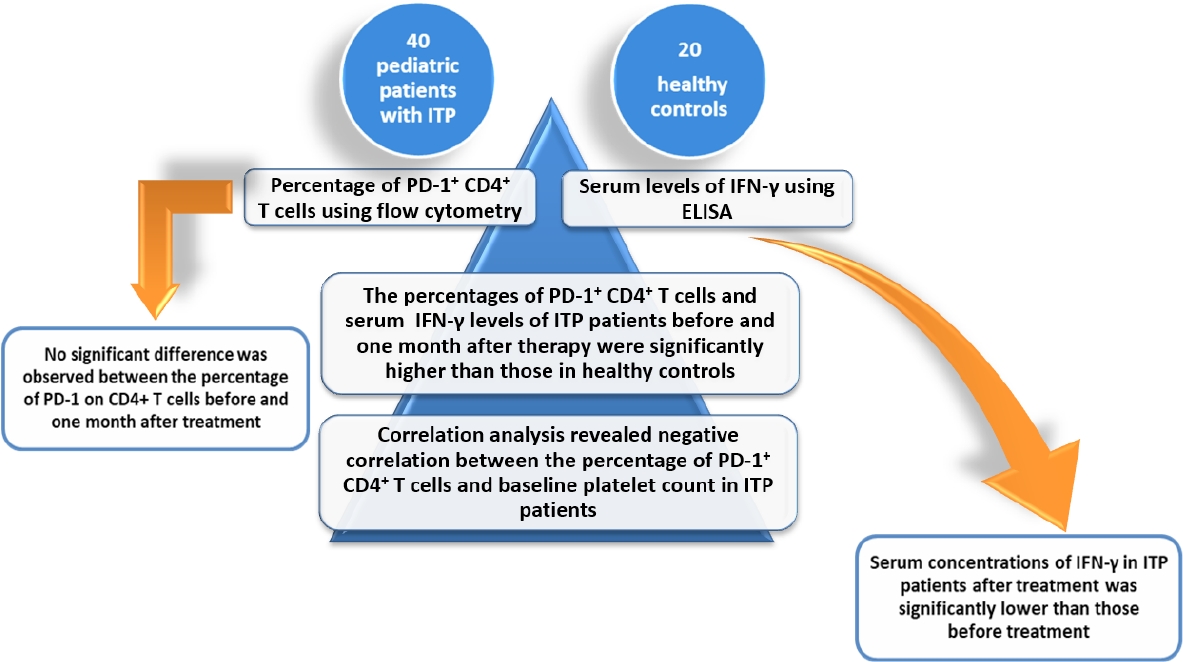
Question: What are the PD-1+ CD4+ T cells percentages and serum interferon gamma (IFN-γ) levels of pediatric patients with immune thrombocytopenia (ITP)?
Finding: Compared with healthy controls, the PD-1+ CD4+ T cells percentages and IFN-γ levels were significantly higher in ITP patients before and 1 month after therapy.
Meaning: Our findings suggest that PD-1+ CD4+ T cells and IFN-γ are involved in the pathophysiological process of ITP.
- Effect of cyclic pamidronate administration on osteoporosis in children with β-thalassemia major: a single-center study
- Mahmoud A. El-Hawy, Nagwan Y. Saleh
- Clin Exp Pediatr. 2022;65(8):405-409. Published online June 7, 2022
-
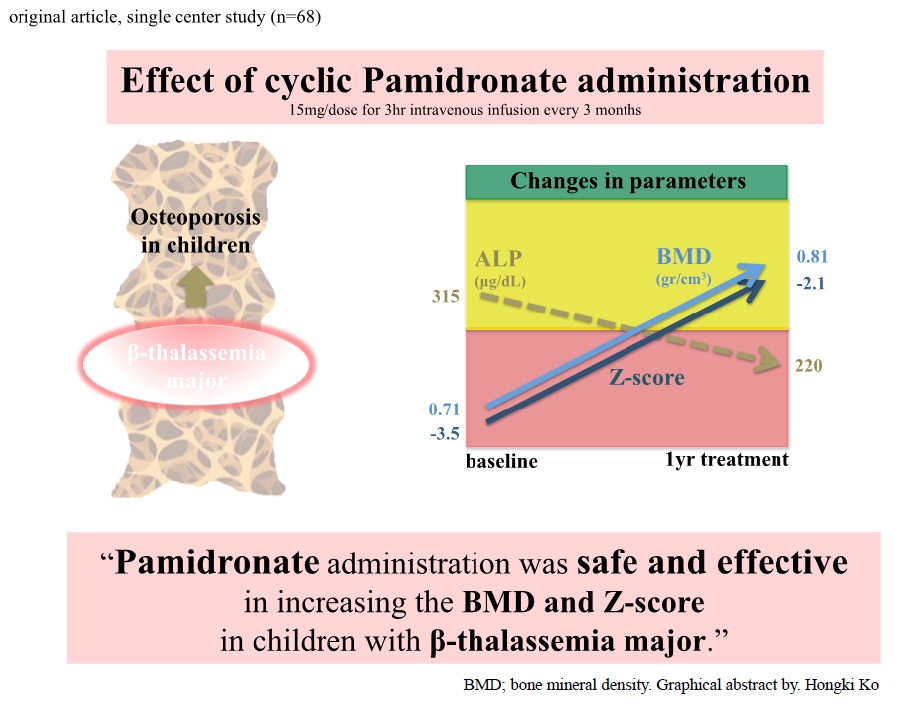
Question: What is the effect of cyclic pamidronate administration on osteoporosis in children with β-thalassemia major?
Finding: The dual-energy x-ray absorptiometry scan findings of children with β-thalassemia major and osteoporosis were improved after pamidronate administration.
Meaning: Cyclic pamidronate effectively treated osteoporosis in children with β-thalassemia major.
- Review Article
- Hematology
- Thrombosis and severe acute respiratory syndrome coronavirus 2 vaccines: vaccine-induced immune thrombotic thrombocytopenia
- Young Shil Park
- Clin Exp Pediatr. 2021;64(8):400-405. Published online June 30, 2021
-
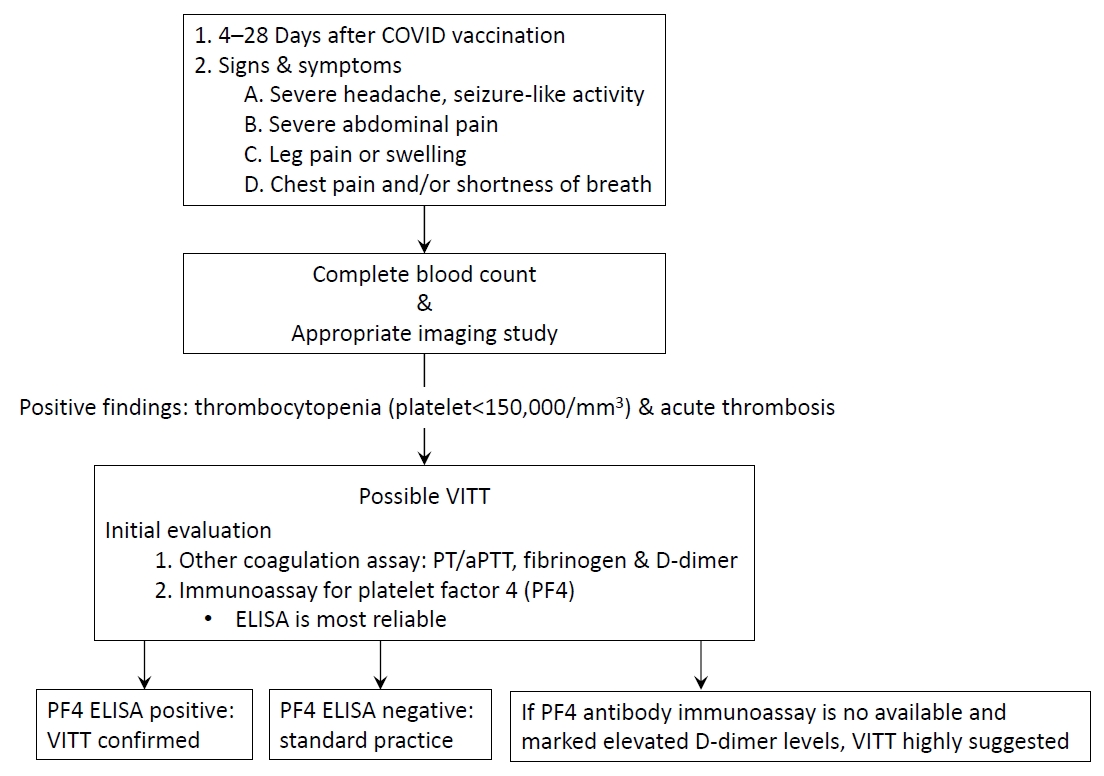
· Thrombosis and thrombocytopenia occurring within 4–28 days after severe acute respiratory syndrome coronavirus 2 vaccination require attention.
· The terms vaccine-induced immune thrombotic thrombocytopenia (VITT) and thrombosis with thrombocytopenia syndrome (TTS) are used.
· VITT is pathogenetically similar to heparin-induced thrombocytopenia.
· VITT/TTS could be associated with the development of platelet-activating anti-platelet factor 4 antibodies.
· For suspected VITT/TTS, early treatment decisions (intravenous immunoglobulin, non-heparin anticoagulant, and avoidance of platelet transfusions) are important.
- Original Article
- Hematology
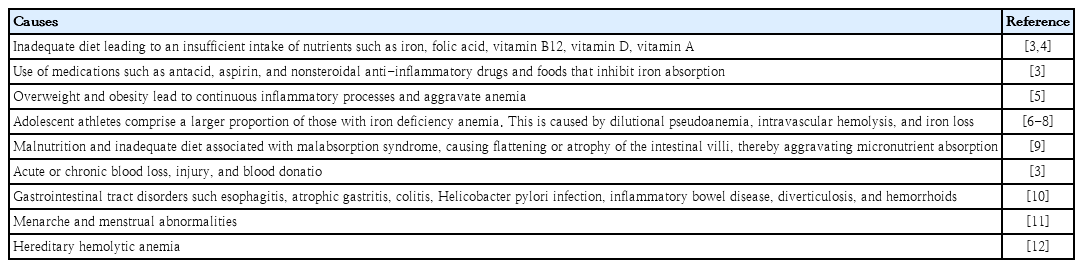
- Changes in the prevalence of anemia in Korean adolescents, 1998–2018
- Jun Young An, Yoo Rha Hong, Seom Gim Kong
- Clin Exp Pediatr. 2021;64(2):86-92. Published online November 16, 2020
-

Question: Over the past 21 years, has the prevalence of anemia decreased among Korean adolescents?
Finding: The prevalence of anemia in boys aged 10–18 years decreased from 3.0% to 0.5% over the study period, whereas that in girls did not change significantly over time (increased from 7.9% to 8.5%).
Meaning: The prevalence of anemia in female adolescents remains high, requiring attention and efforts to improve it.
- Editorial
- Hematology
- Time to pay attention to anemia in female adolescents
- Jae Min Lee
- Clin Exp Pediatr. 2021;64(2):78-79. Published online February 1, 2021
-
- Original Article
- Hematology
- Effects of α-tocopherol on hemolysis and oxidative stress markers on red blood cells in β-thalassemia major
- Nora Sovira, Munar Lubis, Pustika Amalia Wahidiyat, Franciscus D. Suyatna, Djajadiman Gatot, Saptawati Bardosono, Mohammad Sadikin
- Clin Exp Pediatr. 2020;63(8):314-320. Published online August 15, 2020
-

Question: Is the α-tocopherol as an exogenous antioxidant supplementation effective in improving hemolysis and oxidative stress on β-thalassemia major?
Finding: We found significant enhancements in plasma haptoglobin were noted in the α-tocopherol group (3.01 mg/dL; range, 0.60–42.42 mg/dL; P=0.021).
Meaning: The α-tocopherol can improve hemolysis by increasing the haptoglobin level as hemolysis marker.
- Editorial
- Hematology
- When to suspect inherited platelet disorders and how to diagnose them
- Eun Sil Park
- Clin Exp Pediatr. 2020;63(3):98-99. Published online February 5, 2020
-
- Review Article
- Hematology
- Genetic classification and confirmation of inherited platelet disorders: current status in Korea
- Ye Jee Shim
- Clin Exp Pediatr. 2020;63(3):79-87. Published online February 6, 2020
-
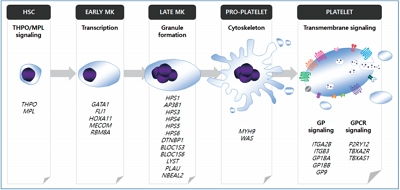
Inherited platelet disorders (IPDs), which manifest as primary hemostasis defects, often underlie abnormal bleeding and a family history of thrombocytopenia, bone marrow failure, hematologic malignancies, undefined mucocutaneous bleeding disorder, or congenital bony defects. Wide heterogeneity in IPD types with regard to the presence or absence of thrombocytopenia, platelet dysfunction, bone marrow failure, and dysmegakaryopoiesis is observed in patients. The individual...
- Original Article
- Hematology
- Clinical course and prognostic factors of childhood immune thrombocytopenia: single center experience of 10 years
- Jae Yeob Jung, A Rum O, Je Keong Kim, Meerim Park
- Clin Exp Pediatr. 2016;59(8):335-340. Published online August 24, 2016
-
Purpose This study aimed to evaluate the clinical course of childhood immune thrombocytopenia (ITP) and to assess the risk factors for developing chronic ITP.
Methods The records of 64 children diagnosed with ITP from November 2005 and December 2014 at single center were retrospectively analyzed.
Results The median age at diagnosis and the median platelet count were 1 year (range, 1 month to 15 years)...
- Review Article
- Hematology
- Diffuse alveolar hemorrhage and recombinant factor VIIa treatment in pediatric patients
- Jeong A Park
- Clin Exp Pediatr. 2016;59(3):105-113. Published online March 31, 2016
-
Diffuse alveolar hemorrhage (DAH) is a life-threatening pulmonary complication in patients with hematologic malignancies or autoimmune disorders. The current treatment options, which include corticosteroids, transfusions, extracorporeal membrane oxygenation (ECMO), and immunosuppressants, have been limited and largely unsuccessful. Recombinant activated factor VII (rFVIIa) has been successfully administered, either systemically or bronchoscopically, to adults for the treatment of DAH, but there are...