
- Clinical Note
- Genetics and Metabolism
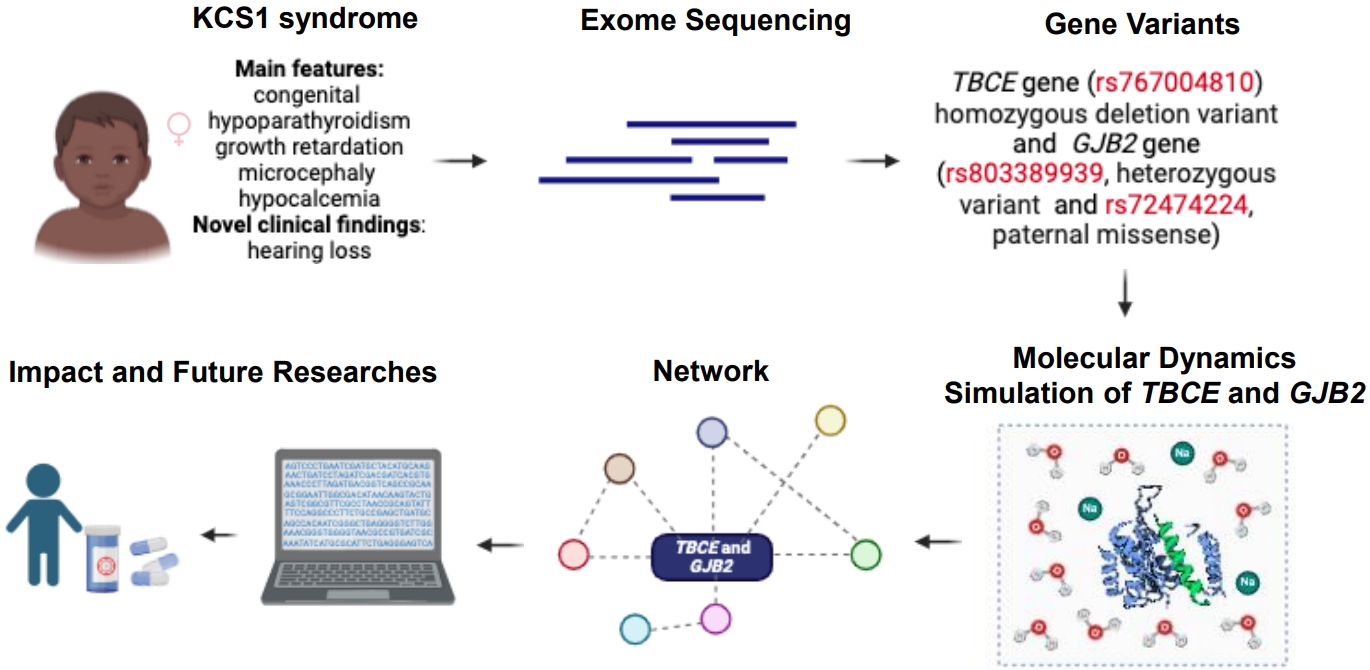
- Expanding genotype-phenotype correlation of Kenny-Caffey syndrome type 1
- Manuela Lo Bianco, Federica Sipala, Xena Giada Pappalardo, Gaia Fusto, Roberta Rizzo, Federico Favata, Carla Cimino, Silvia Marino, Martino Ruggieri, Agnese Suppiej, Simone Ronsisvalle, Raffaele Falsaperla
- Clin Exp Pediatr. 2025;68(8):616-619. Published online May 12, 2025
-
- Original Article
- General Pediatrics
- Liposomal SunActive versus conventional iron for treatment of iron-deficiency anemia in children aged 2–12 years: a prospective randomized controlled trial
- Wael A. Bahbah, Yasmin A.H.S. Younis, Hanan Salama Elbelouny, Asmaa A. Mahmoud
- Clin Exp Pediatr. 2025;68(8):608-615. Published online July 18, 2025
-
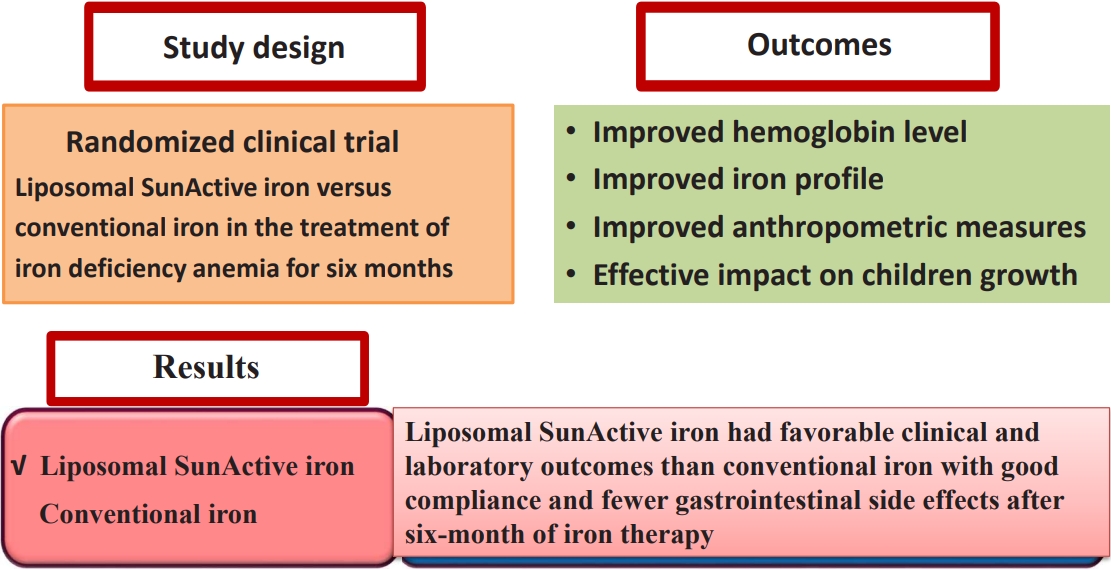
Background: Liposomal iron, a novel oral formulation of ferric pyrophosphate that demonstrates improved gastrointestinal absorption and bioavailability with fewer side effects than conventional iron, represents a significant advancement in the treatment of iron-deficiency anemia (IDA).
Purpose: To conduct an in-depth comparative study of liposomal SunActive and conventional iron supplements (iron polymaltose complex) for treating IDA in children aged 2–12 years Methods: This...
- Hematology
- Hematopoietic stem cell transplantation in pediatric patients with type VI mucopolysaccharidosis
- Vedat Uygun, Koray Yalçın, Hayriye Daloğlu, Seda Öztürkmen, Suna Çelen, Suleimen Zhumatayev, Gülsün Karasu, Akif Yeşilipek
- Clin Exp Pediatr. 2025;68(8):601-607. Published online March 11, 2025
-
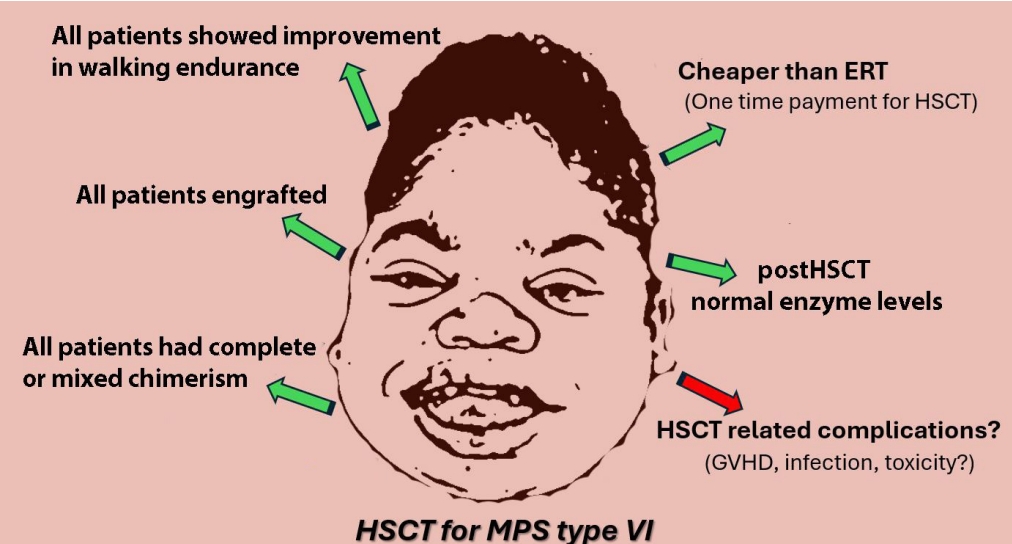
Question: Could hematopoietic stem cell transplantation (HSCT) be an alternative to enzyme replacement therapy (ERT) for type VI mucopolysaccharidosis (MPS VI)?
Finding: HSCT is generally not offered due to reports of high toxicity and mortality. However, we detected fewer complications and graft-versus-host disease cases and no deaths with HSCT.
Meaning: HSCT is both less expensive than ERT and permanent; thus, it should be considered an alternative treatment for MPS VI.
- Gastroenterology
- Efficacy and safety of carbon dioxide versus room-air insufflation in pediatric colonoscopy: a randomized controlled trial
- Ajay Aravind, Ujjal Poddar, Anshu Srivastava, Moinak Sen Sarma
- Clin Exp Pediatr. 2025;68(8):594-600. Published online March 11, 2025
-
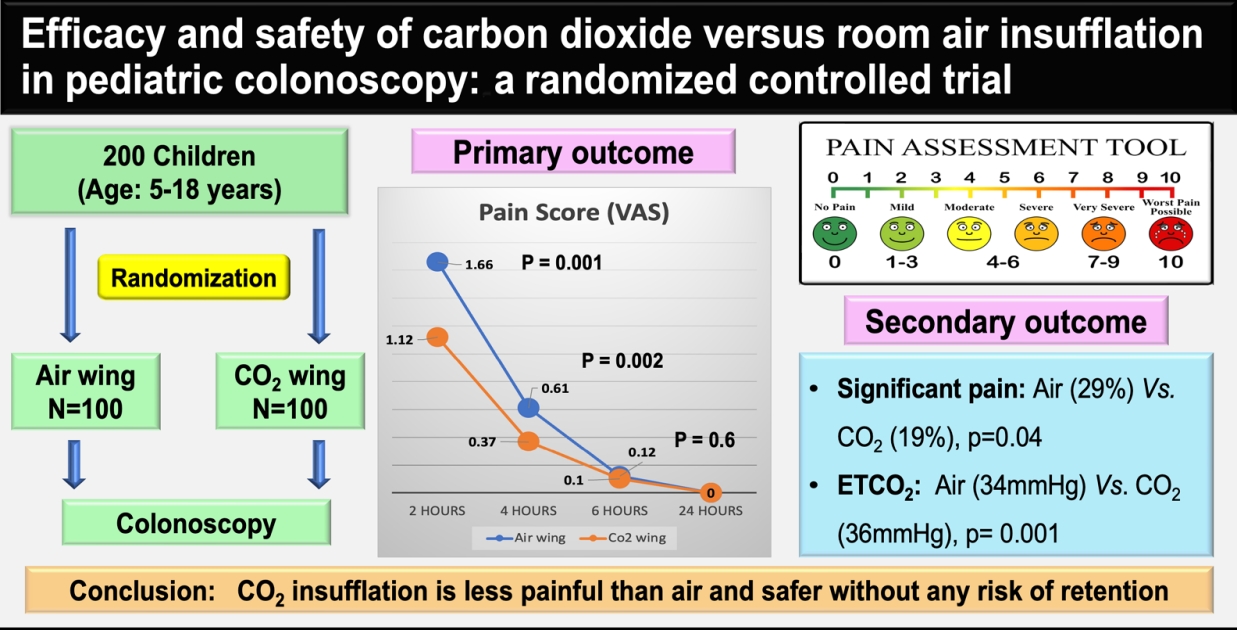
CO2 insufflation has been used instead of air insufflation to reduce postprocedure pain and discomfort in adults; however, adequately powered studies in children are scarce. This randomized controlled trial of 200 children showed that CO2 insufflation reduces postprocedure pain and discomfort during pediatric colonoscopy with no signs of CO2 retention. CO2 insufflation is safe and causes less pain in children.
- Somatic symptom severity during acute illnesses among children with functional gastrointestinal disorders
- Rattanachart Sirinil, Anundorn Wongteerasut
- Clin Exp Pediatr. 2025;68(8):587-593. Published online March 11, 2025
-
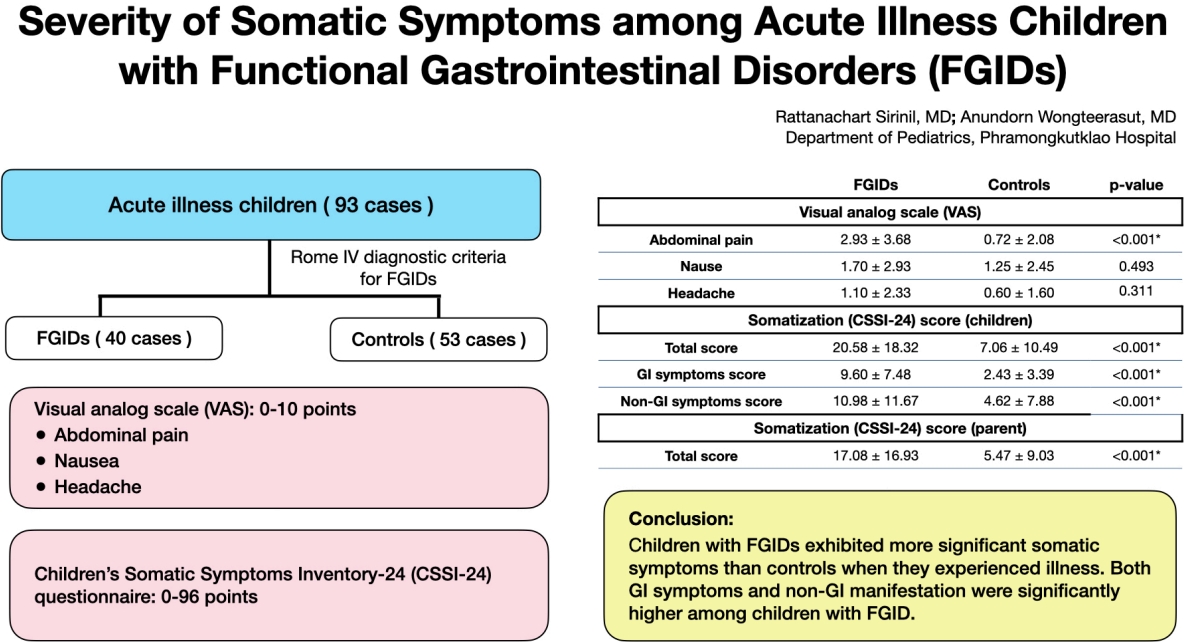
Functional gastrointestinal disorders (FGIDs) are associated with various somatic symptoms measured using a visual analogue scale and the Children’s Somatic Symptoms Inventory-24 questionnaire. Children with FGIDs exhibited more significant somatic symptoms than controls during acute illnesses. Gastrointestinal (GI) and non-GI manifestations are significantly more common in children with FGIDs.
- Critical Care Medicine
- Serum amyloid A and proadrenomedullin as early markers in critically ill children with sepsis
- Nagwan Y. Saleh, Wafaa M. Abo El Fotoh, Mona S. Habib, Salem E. Deraz
- Clin Exp Pediatr. 2025;68(8):578-586. Published online February 26, 2025
-
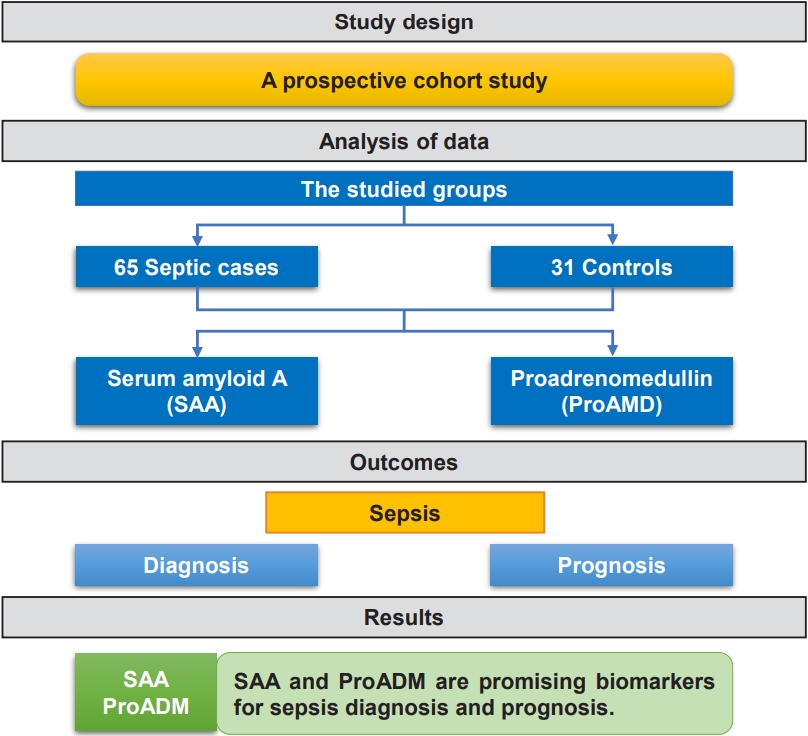
Question: Are serum amyloid A (SAA) and proadrenomedullin (proADM) levels early markers in critically ill children with sepsis?
Finding: This prospective case-control study included 65 critically ill children with sepsis admitted to the pediatric intensive care unit and 31 controls. SAA and proADM levels were significantly higher in patients versus controls.
Meaning: SAA and proADM are promising biomarkers for diagnosing and predicting outcomes in pediatric sepsis.
- Neurology
- Establishing an induced pluripotent stem cell bank using urine cells from pediatric patients with neurogenetic diseases
- Hien Bao Dieu Thai, WonWoo Jung, Sol Choi, Woo Joong Kim, JangSup Moon, ByungChan Lim
- Clin Exp Pediatr. 2025;68(8):569-577. Published online April 1, 2025
-
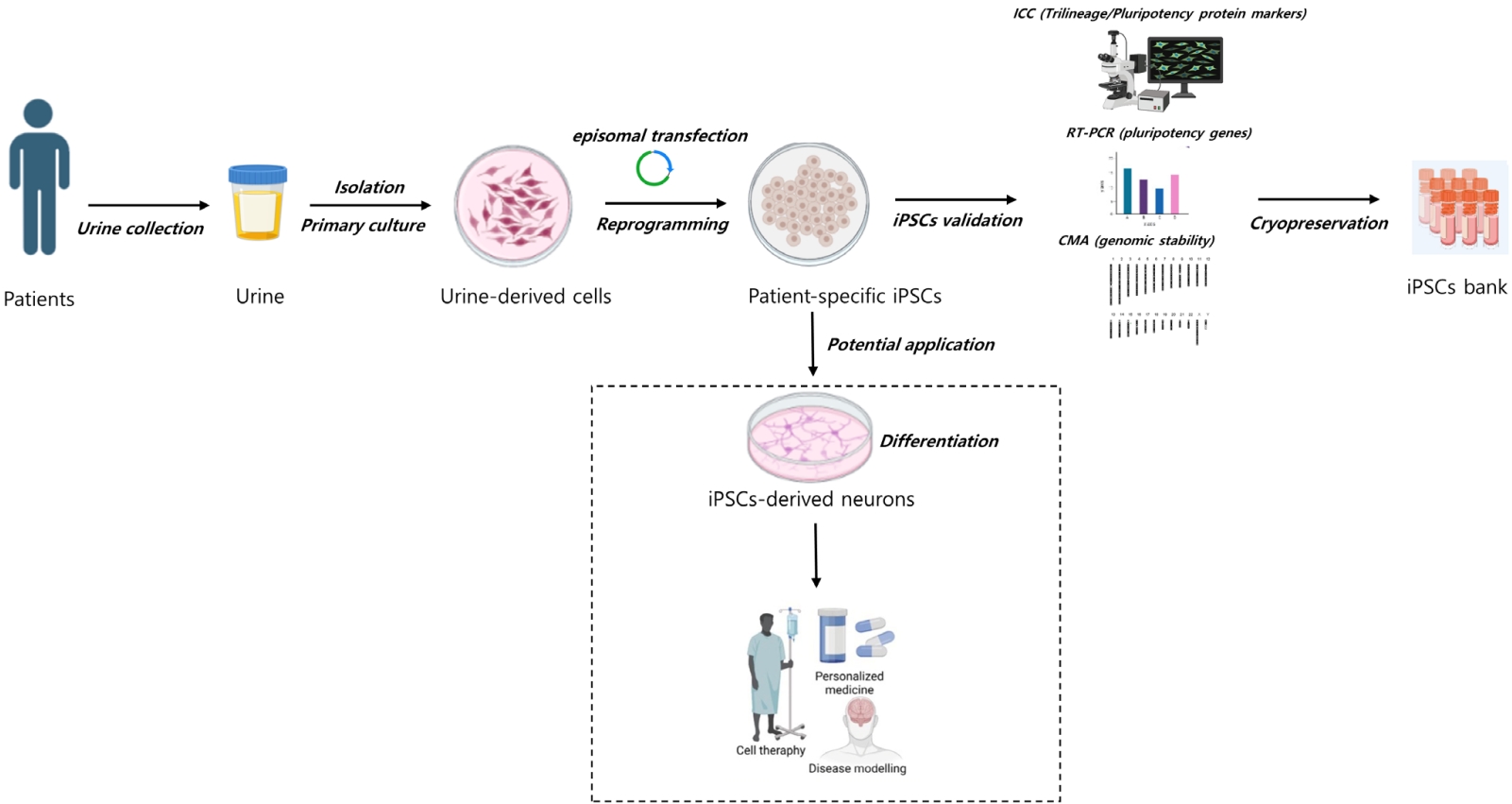
Question: What can be used to create a reliable supply of somatic cells for induced pluripotent stem cells (iPSCs) generation and standardize procedures for building an iPSC bank for researching pediatric neurogenetic disorders?
Findings: Noninvasively acquired urine cells are a desirable cell source for iPSC reprogramming.
Meaning: An iPSC bank can be created from diverse patient cell sources and offer a useful resource for translating research results into clinical therapy for pediatric neurogenetic disorders.
- Editorial
- Other
- Beyond the eye: a multidisciplinary perspective on managing pediatric myopia
- Eoi Jong Seo
- Clin Exp Pediatr. 2025;68(8):566-568. Published online July 18, 2025
-
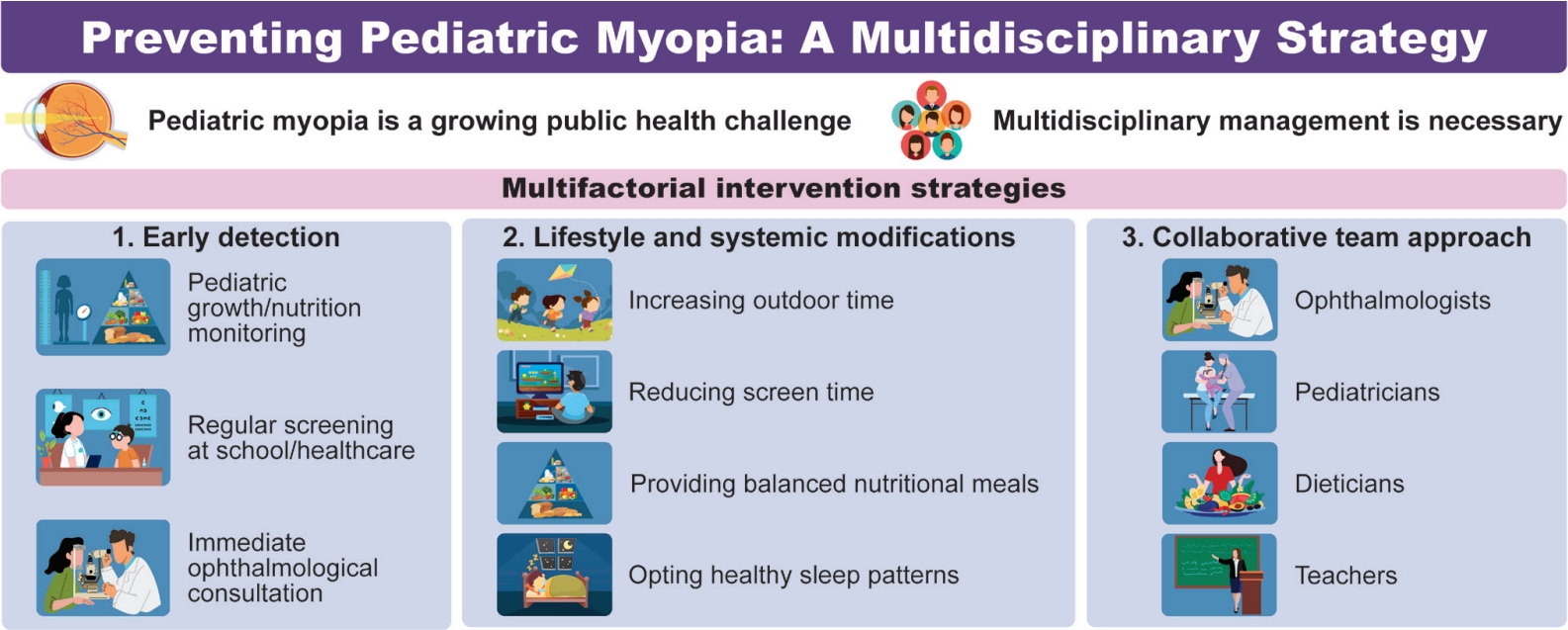
Myopia is a growing global public health concern because of its association with irreversible vision loss such as myopic traction maculopathy, rhegmatogenous retinal detachment, and glaucoma. The effective prevention of myopia in childhood requires a multidisciplinary approach that integrates ophthalmologic care with lifestyle, nutrition, and sleep interventions. Early detection through regular visual screening in schools and primary care settings and timely ophthalmology referrals are critical to preventing high myopia.
- Review Article
- Other
- Myopia: a review of current concepts, association with nonophthalmological conditions, and treatment strategy in children and adolescents
- Yeon Woong Chung
- Clin Exp Pediatr. 2025;68(8):554-565. Published online April 1, 2025
-
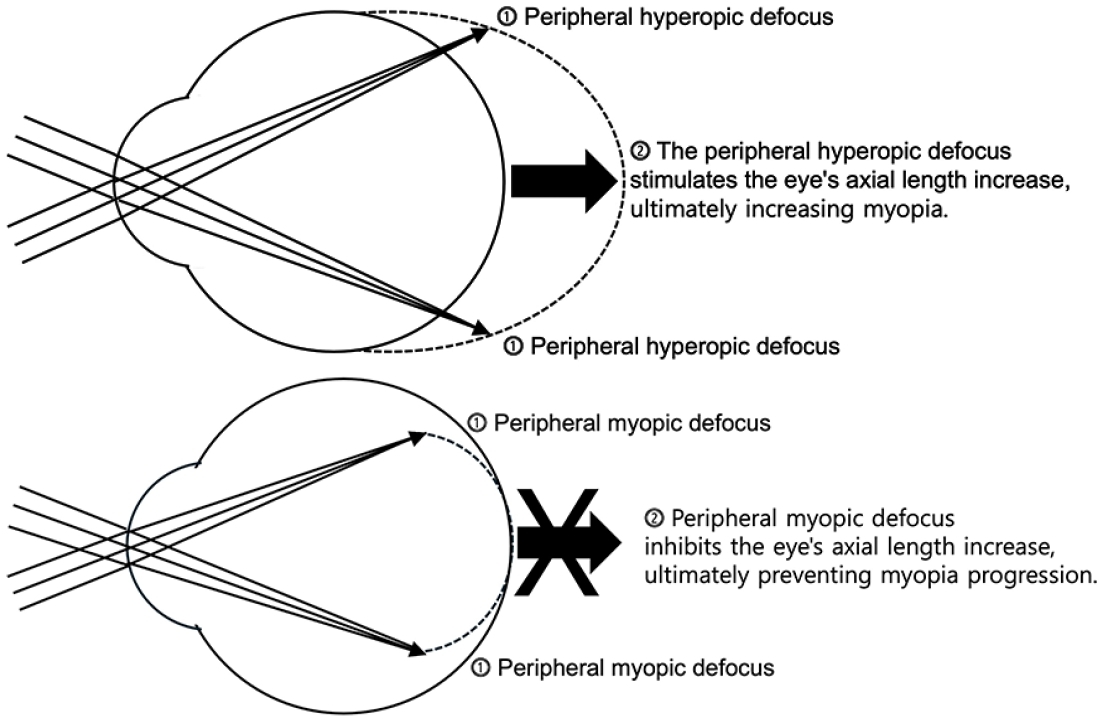
Myopia is a major ophthalmological disorder with increasing prevalence worldwide, particularly in East Asia. Evidence indicates that its development involves complex interactions between genetic and environmental factors. Body stature, sleep patterns, and nutritional status significantly influence the progression of myopia during childhood and adolescence. Its treatment and prevention strategies include optical correction, atropine therapy, increased outdoor activity, decreased near work, and regular retinal monitoring.
- Letter to the Editor
- General Pediatrics
- Debate around and impact of digital screen time and media parenting on children’s development
- Gowda Parameshwara Prashanth
- Clin Exp Pediatr. 2025;68(7):551-553. Published online March 11, 2025
-

- Perspective
- Gastroenterology
- Metabolic dysfunction-associated steatotic liver disease in children: a practical update based on Indian Society of Pediatric Gastroenterology, Hepatology and Nutrition (ISPGHAN) 2024 guidelines
- Ankit Agrawal, Arghya Samanta
- Clin Exp Pediatr. 2025;68(7):546-550. Published online May 12, 2025
-

- Original Article
- Neonatology (Perinatology)
- Evaluation of total serum bilirubin thresholds for discontinuing phototherapy in jaundiced neonates: a randomized study
- Ajay Kumar, Nidhi Jain
- Clin Exp Pediatr. 2025;68(7):539-545. Published online February 26, 2025
-

Question: What are the outcomes of jaundiced neonates when phototherapy is discontinued at 2 different total serum bilirubin (TSB) thresholds?
Findings: The study involved 80 neonates, comparing a recommended TSB threshold and a lower threshold for phototherapy discontinuation. Results showed a 14.3% reinstitution rate of treatment, with no adverse outcomes.
Meaning: Careful posttreatment monitoring is essential when discontinuing phototherapy, and future research should consider updated guidelines like those from the American Academy of Pediatrics.
- Incidence of neural tube defects in tertiary care university hospital in Bangladesh
- Ismat Jahan, Arif Hossain, Shah Nizam Uddin Shaon, Sadeka Choudhury Moni, Mohammad Kamrul Hassan Shabuj, Sanjoy Kumer Dey, Mohammad Abdul Mannan, Mohammod Shahidullah
- Clin Exp Pediatr. 2025;68(7):530-538. Published online April 1, 2025
-

Question: What is the burden of neural tube defects (NTDs) in a tertiary care neonatal intensive care unit in Bangladesh?
Finding: The overall incidence of NTD was 6.4 (range, 4.59–11.2) per 1,000 live births, and the meningomyelocele complex was the most frequent location.
Meaning: The high incidence of NTD found in a leading tertiary care multidisciplinary referral hospital in Bangladesh may not reflect that of the wider population.
- Hematology
- Treatment and clinical outcomes of pediatric autoimmune hemolytic anemia: real-world single-center data from Korea
- Young Dai Kwon, Eun Sun Jung, Yeon Jung Lim
- Clin Exp Pediatr. 2025;68(7):522-529. Published online April 16, 2025
-

Question: Can pediatric autoimmune hemolytic anemia (AIHA) be effectively managed using first-line steroids?
Finding: In this single-center study, pediatric patients with AIHA achieved normal hemoglobin levels within 16.5 days (range, 9.0–22.0 days) of first-line steroid treatment and maintained effective responses for 2 months.
Meaning: These outcomes highlight the efficacy of steroid treatment in pediatric versus adult AIHA and underscore the need for multicenter trials to establish standardized treatment guidelines.
- Genetics and Metabolism
- Role of microRNA-498 and microRNA-410 in neonatal hypoxic-ischemic encephalopathy
- Eman Salah Eldeen Arafat, Hasnaa Hesham Abotaleb, Dina Abdel Razek Midan, Abdel Hamid Abdo Ismail, Zeinab Sabri Abouzouna
- Clin Exp Pediatr. 2025;68(7):512-521. Published online February 26, 2025
-

Question: Is it role of microRNA-410 (miRNA-410) and microRNA-498 (miRNA-498) in neonatal hypoxic-ischemic encephalopathy (HIE)?
Findings: miRNA-498 and miRNA-410 can be auxiliary diagnostic and prognostic tools for neonatal HIE.
Meaning: we can use miRNA-498 and miRNA-410 as markers and indicator for HIE.
- Neonatology (Perinatology)
- Characterization of gut microbiota in very low birth weight infants with versus without bronchopulmonary dysplasia
- Anucha Thatrimontrichai, Manapat Praditaukrit, Gunlawadee Maneenil, Supaporn Dissaneevate, Kamonnut Singkhamanan, Komwit Surachat
- Clin Exp Pediatr. 2025;68(7):503-511. Published online February 26, 2025
-

Question: Does the gut microbiota differ between very low birth weight (VLBW) infants with versus without bronchopulmonary dysplasia (BPD)?
Finding: Common respiratory pathogens were notably elevated in the BPD group, whereas anaerobic and butyrate-producing taxa, key components of postbiotics, were dominant in the non-BPD group.
Meaning: In gut-lung communication, the interplay between the intestinal and respiratory systems may implicate pro- and postbiotics in VLBW infants with BPD.
- Pulmonology
- Clinical course of children with postinfectious bronchiolitis obliterans with versus without comorbid bronchopulmonary dysplasia
- Lamia Medghoul, Julien Grosjean, Christophe Marguet, Hortense Petat
- Clin Exp Pediatr. 2025;68(7):497-502. Published online April 1, 2025
-

Question: Postinfectious bronchiolitis obliterans (PIBO) is a chronic respiratory disease that typically develops in children after a severe respiratory infection. Bronchopulmonary dysplasia (BPD) is often comorbid in patients with PIBO.
Finding: Corticosteroid pulse therapy effectively manages PIBO with or without comorbid BPD, significantly reducing exacerbations and decreasing the daily requirement for inhaled corticosteroids.
Meaning: Therapeutic effects of corticosteroid pulses are rapid and sustained over time, in both groups.
- Nonlinear association between neutrophil-to-lymphocyte ratio and asthma in children and adolescents in the United States: a cross-sectional study
- Chuhan Cheng, Liyan Zhang
- Clin Exp Pediatr. 2025;68(7):489-496. Published online March 11, 2025
-

Question: Is there a nonlinear relationship between neutrophil-to-lymphocyte ratio (NLR) and asthma in children and adolescents?
Finding: NLR showed a nonlinear association with asthma, with an NLR threshold of 2.23 identifying individuals at higher risk.
Meaning: An NLR<2.23 may serve as a potential biomarker for asthma risk assessment and management in pediatric populations, thereby offering a simple tool for the early identification of at-risk individuals.
- Editorial
- Neonatology (Perinatology)
- Intermittent sigh breaths during high-frequency oscillatory ventilation among newborn infants
- Ga Won Jeon
- Clin Exp Pediatr. 2025;68(7):486-488. Published online April 16, 2025
-

Intermittent sigh breaths during high-frequency oscillatory ventilation can improve ventilation and oxygenation by enhancing lung recruitment. Although research on this approach in newborn infants is limited, some published studies suggest that sigh breaths are generally applied at a rate of 2–3 breaths/min with an inspiratory time of 0.5–1 second and pressure of current mean airway pressure + 5 cmH2O (maximum, 30 cmH2O).
- Review Article
- Immunology
- NLRP3 inflammasome: a key player in neonatal brain injury
- Cagla Kiser, Ilkcan Ercan, Defne Engur, Sermin Genc
- Clin Exp Pediatr. 2025;68(7):475-485. Published online April 1, 2025
-

Hypoxic-ischemic encephalopathy is the major cause of neonatal brain injury. NOD-like receptor family pyrin domain containing 3 inflammasome activation leads to neuroinflammation, which significantly affects newborn mortality. The establishment of preventive and therapeutic strategies against brain damage requires a thorough understanding of the mechanisms underlying neuroinflammation and inflammasome activation in the neonatal brain.
- Clinical Note
- General Pediatrics
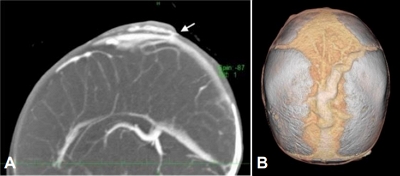
- Aplasia cutis congenita with unique vascular malformation and cranial hypoplasia: a case in a preterm infant
- Yasufumi Sakata, Natsumi Fujii, Sadahiro Nomura, Yoshihiro Azuma, Hiroki Hamano, Hidenobu Kaneyasu, Seigo Okada, Kazumasa Takahashi, Shunji Hasegawa
- Clin Exp Pediatr. 2025;68(6):472-474. Published online March 11, 2025
-
- Original Article
- Neonatology (Perinatology)
- Differential roles of interleukin-6 and adrenomedullin in early diagnosis and mortality predictions in late-onset neonatal sepsis
- Emilly Henrique dos Santos, Gabriel Acca Barreira, Mariana Okay Saippa, Maria Carolina Pires Cruz, Karen Alessandra Rodrigues, Ronaldo Arkader, Thelma Suely Okay
- Clin Exp Pediatr. 2025;68(6):463-471. Published online December 23, 2024
-

Question: Can adrenomedullin (ADM) or interleukin-6 (IL-6) detect late-onset neonatal sepsis (LOS) at admission (area under the curve [AUC]>0.90) as an early diagnostic marker?
Finding: Only IL-6 consistently distinguished survivors from nonsurvivors (AUC>0.90) on admission and antibiotic treatment days 3 and 7. C-reactive protein level identified infections from day 3 but failed to predict outcomes (AUC<0.70).
Meaning: IL-6 level can improve LOS diagnosis and prognosis.
- Nephrology (Genitourinary)
- COVID-19 vaccine hesitancy among parents of children with systemic lupus erythematosus
- Karnchanit Sausukpaiboon, Nuanpan Penboon, Pornpimol Rianthavorn
- Clin Exp Pediatr. 2025;68(6):454-462. Published online February 3, 2025
-

Question: What is the acceptance rate for coronavirus disease 2019 vaccination among parents of children with systemic lupus erythematosus (SLE)?
Finding: One-third of parents were hesitant to vaccinate their child. Parental willingness to vaccinate themselves, older patient age, and belief in the vaccine's potency were associated with vaccine acceptance.
Meaning: These findings highlight the need for targeted interventions to improve vaccine acceptance among parents of children with SLE.
- Oncology
- Prognostic role of mid-regional pro-adrenomedullin in predicting infection in pediatric cancer with febrile neutropenia
- Seham M. Ragab, Sara Mahmoud El-Deeb, Ahmed Saeed, Asmaa A. Mahmoud
- Clin Exp Pediatr. 2025;68(6):445-453. Published online January 13, 2025
-

· Infection remains a leading cause of death in febrile neutropenia (FN).
· Mid-regional pro-adrenomedullin (MR-ProADM) levels are higher among patients with FN and a bacterial infection.
· A longer FN duration and hospital stay length as well as elevated C-reactive protein, procalcitonin, and MR-ProADM levels are significant risk factors for mortality.
- Hematology
- Impact of Xmn1 polymorphism on hydroxyurea therapy in children with HbE-β non-transfusion dependent thalassemia: a cohort study
- Saheli Roy, Paramita Bhattacharya, Atanu Kumar Dutta, Mrinal Kanti Das
- Clin Exp Pediatr. 2025;68(6):437-444. Published online February 3, 2025
-

Question: Does the T allele of Xmn1 polymorphism favorably influence hydroxyurea efficacy in children of Eastern descent with fetal hemoglobin (HbE)-β nontransfusion dependent thalassemia (NTDT)?
Finding: Decrease in transfusion requirement and increase in height following hydroxyurea therapy was noted in both groups, however, change in CT was more critical than that in CC genotype.
Meaning: T allele of Xmn1 polymorphism favorably influences hydroxyurea efficacy in children with HbE-β NTDT.
- Editorial
- Neurology
- Screen time and neurodevelopment in preschoolers: addressing a growing concern in pediatric practice
- Soongang Park, Hyewon Woo
- Clin Exp Pediatr. 2025;68(6):434-436. Published online January 13, 2025
-
· Excessive screen time in preschoolers is associated with neurodevelopmental delays, particularly during the early years of life.
· Parental supervision and national guidelines are critical in mitigating the negative impacts of excessive screen time and fostering healthy media habits in preschoolers.
- Review Article
- Other
- Peripheral nerve sheath tumors in the head and neck in patients with APC gene deletion mutations: a case report and scoping review of the literature
- Koral M. Blunt, Monirah Albathi, Miriam Conces, Tendy Chiang
- Clin Exp Pediatr. 2025;68(6):428-433. Published online January 13, 2025
-

In this report, we describe our experience with a patient with an APC-related genetic syndrome who presented with a rare palatal lesion with characteristics of a schwannoma. We discuss the role of immunohistochemical staining in discerning the differential diagnosis.
- Endocrinology
- Impact of hematopoietic stem cell transplantation on growth outcomes in mucopolysaccharidosis: a systematic review
- Farzaneh Abbasi, Asal Khalili Dehkordi, Reihaneh Mohsenipour
- Clin Exp Pediatr. 2025;68(6):417-427. Published online March 11, 2025
-
Hematopoietic stem cell transplantation (HSCT) enhances the growth outcomes of pediatric patients with mucopolysaccharidosis, with early intervention leading to improved height, weight, and body mass index. However, achieving a standard adult height remains uncommon among these patients, even in cases of early HSCT. Growth hormone therapy provides short-term benefits but does not address long-term height deficits. Pubertal development is generally normal; however, precocious puberty and pubertal arrest may occur.
- Critical Care Medicine
- Protocolized sedation may reduce ventilation and sedation requirements in the pediatric intensive care unit: a systematic review and meta-analysis
- Ambrus Szemere, Alíz Fazekas, Anna Réka Sebestyén, Rani Ezzeddine, Veronika Upor, Marie Anne Engh, Péter Hegyi, Zsolt Molnár, Klára Horváth
- Clin Exp Pediatr. 2025;68(6):406-416. Published online February 19, 2025
-
Protocolized sedation may reduce ventilation requirements, pediatric intensive care unit length of stay, and sedative exposure. However, it may increase the likelihood of unplanned extubation, highlighting the importance of incorporating preventive measures to mitigate this risk.
- Allergy
- Eosinophil-derived neurotoxin levels can predict allergic disease development and atopic march in children
- Zak Callaway, Chang-Keun Kim
- Clin Exp Pediatr. 2025;68(6):398-405. Published online February 3, 2025
-

· Allergic march occurs in a subset of children, beginning with atopic dermatitis and progressing to food allergies, allergic rhinitis, and/or asthma. Its early diagnosis is important to slowing its progression.
· Eosinophil-derived neurotoxin (EDN), an excellent biomarker of eosinophil activity, is often elevated in allergic diseases.
· EDN levels have been used to predict allergic disease development and diagnose, treat, and monitor allergic diseases.