Search

  • HOME
  • Search
Original Article
Gastroenterology
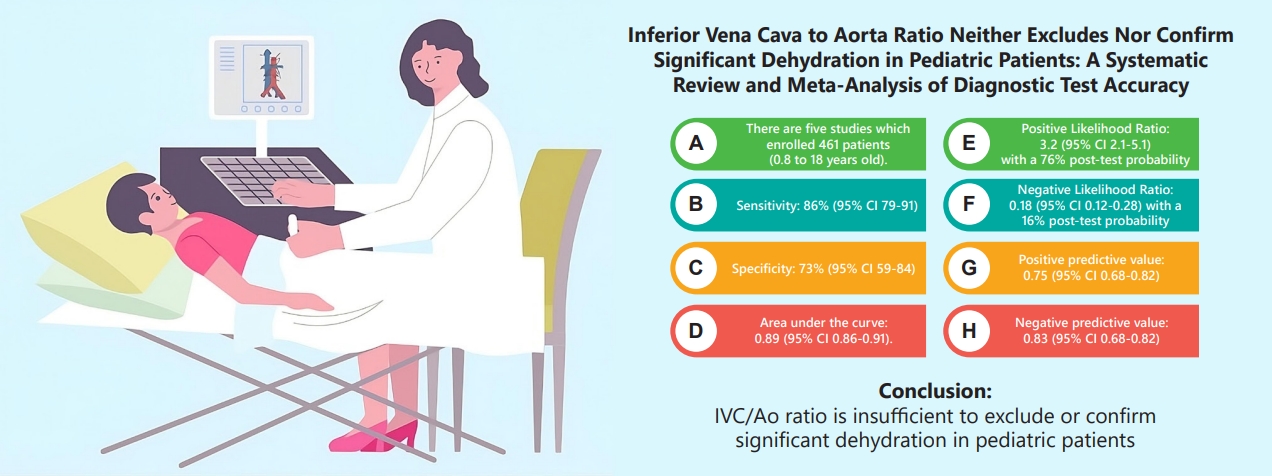
Inferior vena cava to aorta ratio in dehydrated pediatric patients: a systematic review and meta-analysis
Gilbert Sterling Octavius, Michelle Imanuelly, Johan Wibowo, Nadia Khoirunnisa Heryadi, Melanie Widjaja
Clin Exp Pediatr. 2023;66(11):477-484.   Published online June 14, 2023
Question: The inferior vena cava to aorta (IVC/Ao) ratio measured via ultrasound has been touted as a promising noninvasive technique to assess clinically significant dehydration in pediatric patients.
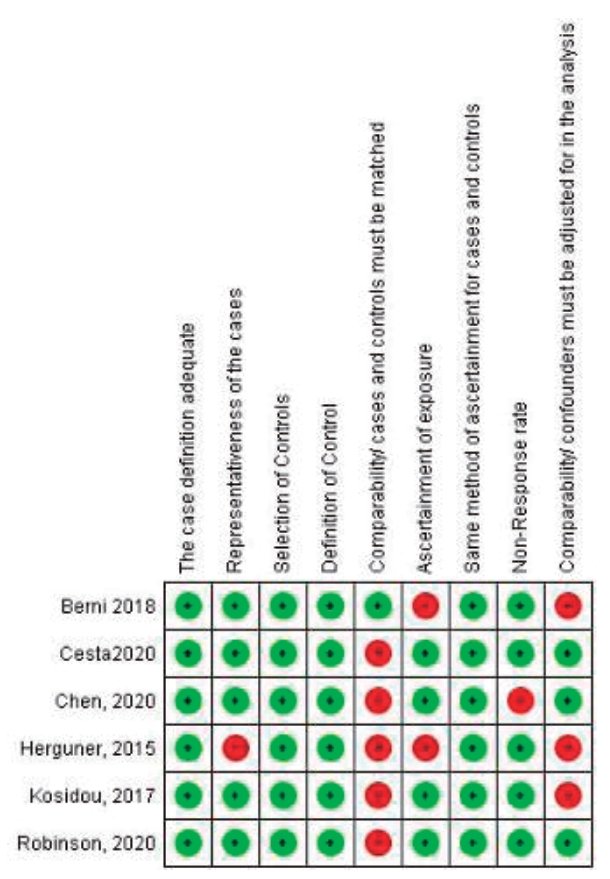
Finding: Our meta-analysis found that IVC/Ao ratio had a positive likelihood ratio of 3.2 (95% confidence interval [CI], 2.1–5.1) and negative likelihood ratio of 0.18 (95% CI, 0.12–0.28).
Meaning: Hence, IVC/Ao ratio is insufficient to exclude or confirm significant dehydration in pediatric patients.
Relationship between nonalcoholic fatty liver disease and hyperandrogenemia in adolescents with polycystic ovary syndrome
Ozlem Kara, Hanife Aysegul Arsoy, Murat Keskin
Clin Exp Pediatr. 2023;66(9):395-402.   Published online June 14, 2023
Question: Is polycystic ovary syndrome (PCOS) a risk factor for nonalcoholic fatty liver disease (NAFLD) in adolescents?
Finding: The frequency of NAFLD did not increase in adolescents with PCOS. However, hyperandrogenemia was a risk factor for NAFLD.
Meaning: Adolescents with PCOS and hyperandrogenemia should be closely monitored for hepatic steatosis.
Review Article
Neurology
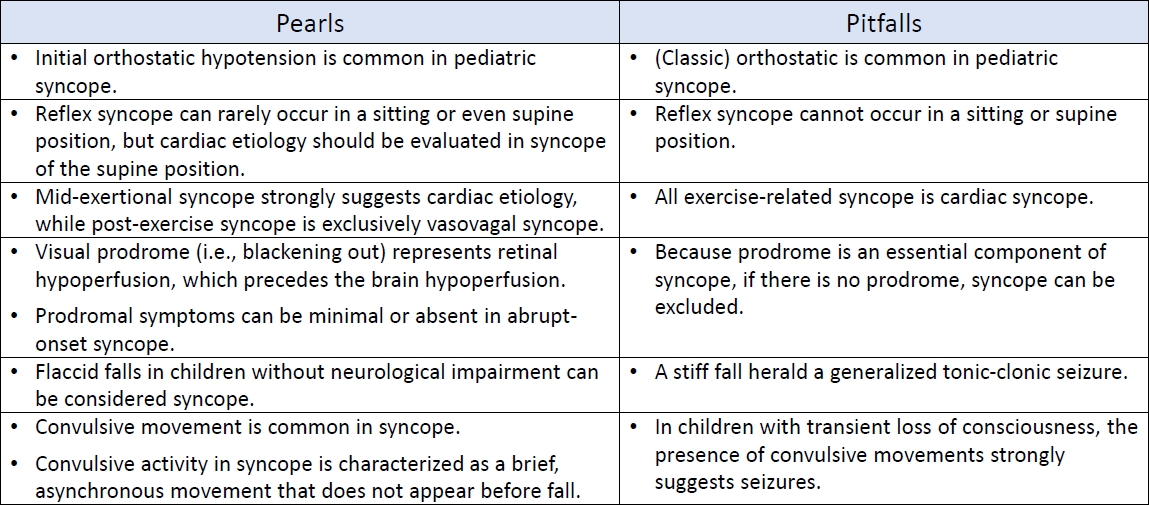
Pediatric syncope: pearls and pitfalls in history taking
Jung Sook Yeom, Hyang-Ok Woo
Clin Exp Pediatr. 2023;66(3):88-97.   Published online February 15, 2023
An accurate diagnosis depends on correct history taking and its interpretation. An in-depth understanding of the symptoms of syncope in connection with its pathophysiology can lead to avoiding critical pitfalls in the diagnostic process of history taking.
Infection
Pathogenetic and etiologic considerations of febrile seizures
Ji Yoon Han, Seung Beom Han
Clin Exp Pediatr. 2023;66(2):46-53.   Published online January 13, 2023
· Inflammatory responses accompanying fever increase neuronal excitability in the central nervous system, which in turn provokes seizures.
· Fever in children with febrile seizures is usually caused by common respiratory viruses, the distributions of which match those of seasonal community-acquired respiratory tract infections.
· Several genetic variations in ion channels seem associated with neuronal hyperexcitability in children with febrile seizures.
Neonatology (Perinatology)
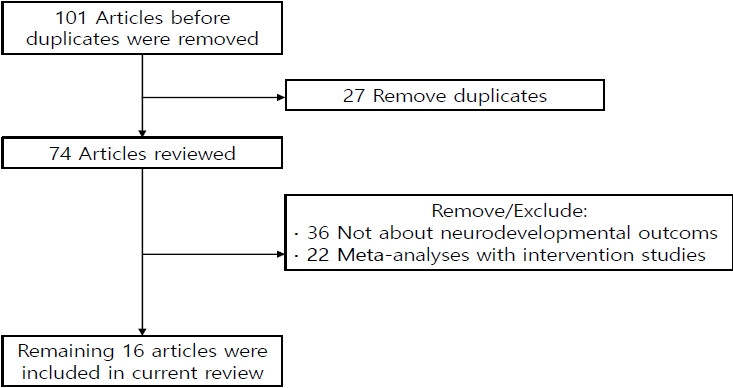
Neurodevelopmental outcomes of preterm infants
In Gyu Song
Clin Exp Pediatr. 2023;66(7):281-287.   Published online December 30, 2022
· Among survivors, 60.9% of infants born at 22 weeks’ gestation had moderate to severe impairments, whereas 50.3% born at 23 weeks’ and 42.2% at 24 weeks’ gestation had moderate to severe impairments.
· Moderate and late preterm infants reportedly have less severe disease than very preterm infants, but they still experience adverse neurodevelopmental outcomes.
· The careful follow-up and early detection of developmental problems in these patients are required.
Original Article
Infection
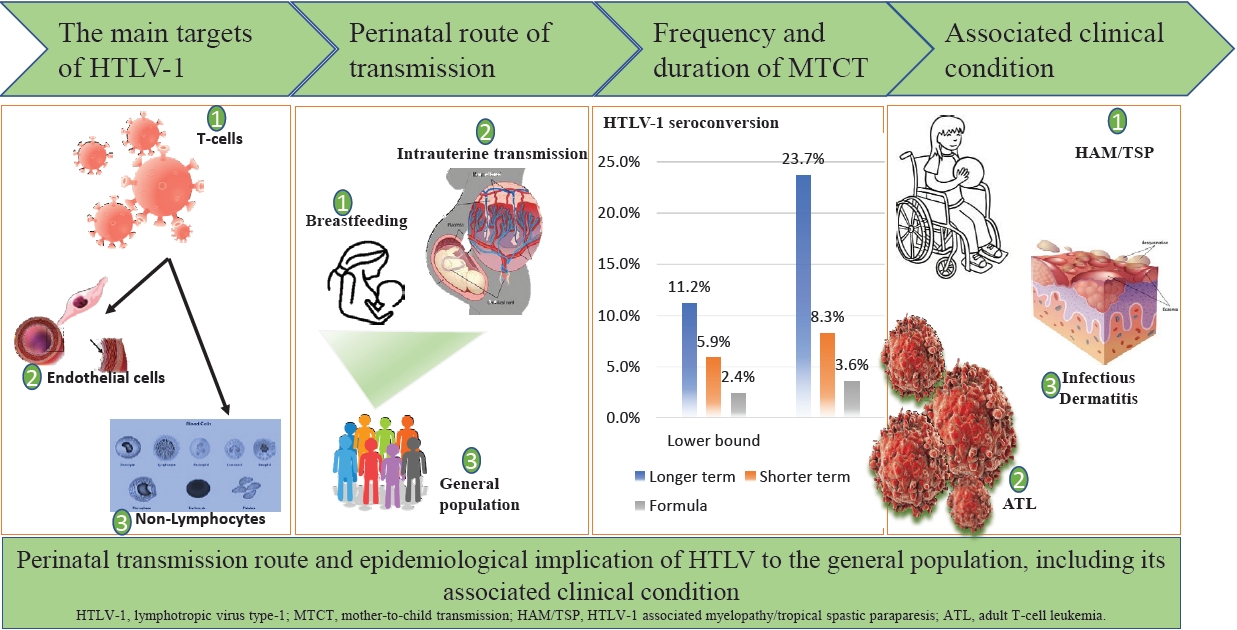
Seroprevalence of maternal peripartum human T-cell lymphotropic virus type-1 infection: a systematic review and meta-analysis of the Nigerian literature
Abdulrasheed Usman, Muhammad Hamis Musa, Bukhari Isah Shuaib, Olayemi Balogun, Mukhtar Adeiza
Clin Exp Pediatr. 2023;66(7):307-316.   Published online December 22, 2022
The peripartum period is an important transmission time for human T-cell lymphotropic virus-1 (HTLV-1) infection, mainly via breastfeeding and partly through the placental tissues of carrier mothers. Although most HTLV-1–infected individuals are asymptomatic, fetal and childhood infections often result in several diseases with disappointing treatment outcomes. An estimated HTLV-1 burden in Nigeria among perinatal women must be determined to enable rational planning of a comprehensive health care intervention.
Gastroenterology
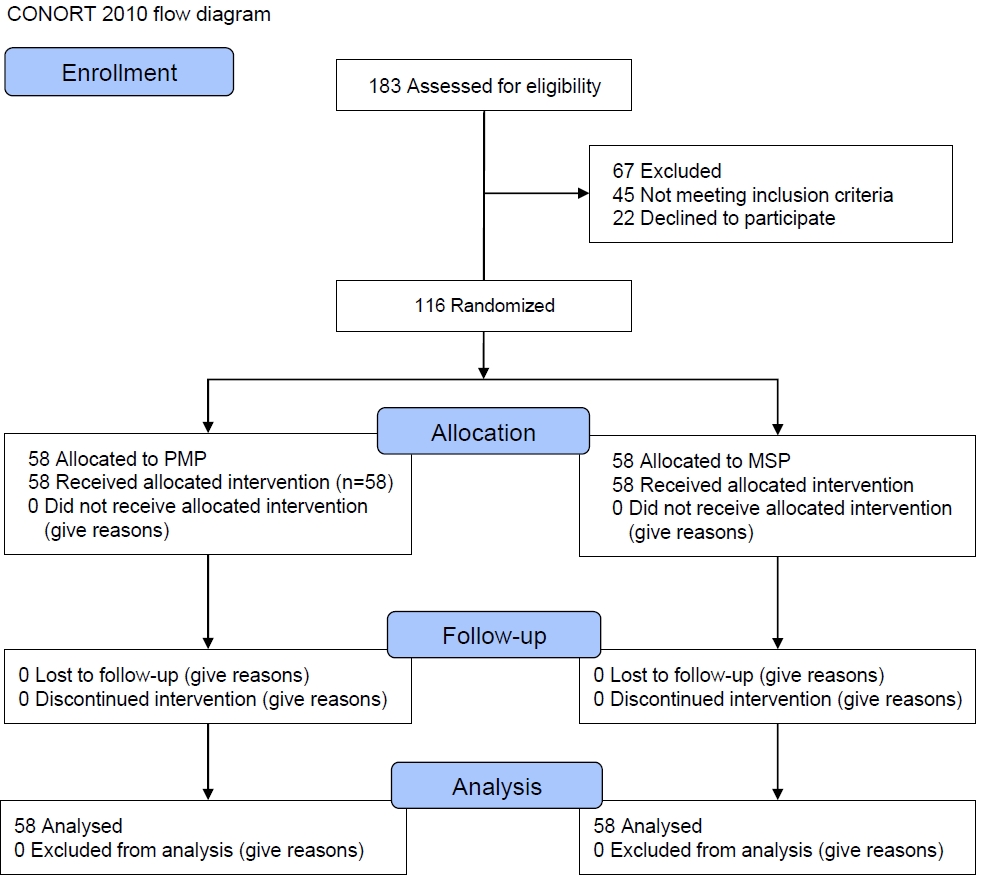
Ability of polymicrobial probiotic and mono-strain probiotic to reduce functional abdominal pain in children: a randomized clinical trial
Seyed Sajad Jafari, Seyed Mojtaba Hashemi, Bahman Sadeghi, Amir Almasi-Hashiani
Clin Exp Pediatr. 2022;65(12):589-594.   Published online October 31, 2022
· This study compared the ability of 2 probiotics to reduce and improve functional abdominal pain (FAP) in children.
· In the polymicrobial probiotic (PMP) group, 10.34% of children reported no pain; in the mono-strain probiotic (MSP) group, all patients reported low-degree pain. The mean pain score decreased significantly over time in both groups.
· The use of both PMP and MSP is recommended to reduce pain in patients with FAP.
Probiotics added to maternal nutrition affect ınfantile colic symptoms and fecal microbiota profile: a single-blind randomized controlled study
Aysu Yıldız Karaahmet, Gülümser Dolgun, Metehan Özen
Clin Exp Pediatr. 2022;65(11):547-554.   Published online September 23, 2022
Question: Do probiotics added to maternal nutrition affect infantile colic symptoms and intestinal microbiota?
Finding: Infants whose mothers ingested probiotics demonstrated decreased crying frequency and intensity and significantly increased bacterial diversity in the stools. The bacterial variety was substantially affected by the added probiotic product.
Meaning: The addition of probiotics to maternal nutrition in early infancy could play an important role in preventing infantile colic.
Review Article
Critical Care Medicine
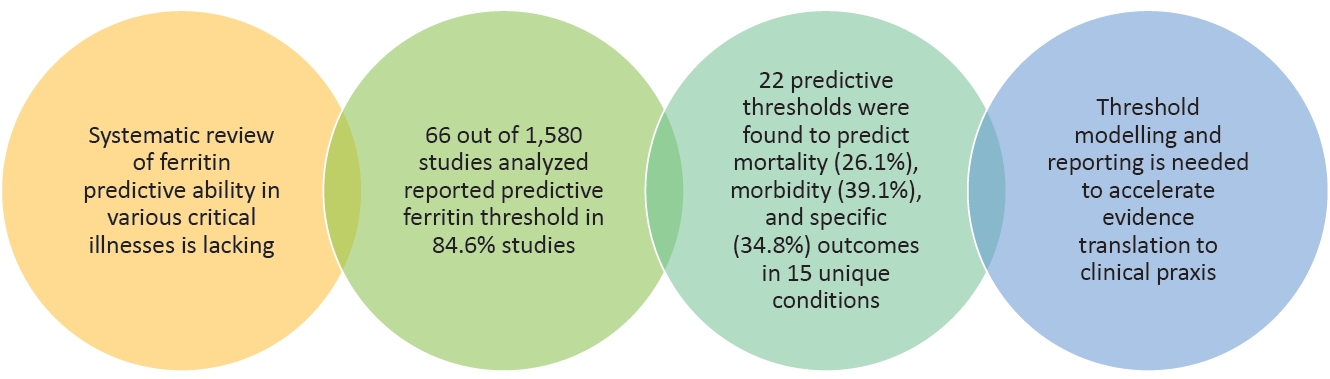
Ferritin in pediatric critical illness: a scoping review
Ivy Cerelia Valerie, Anak Agung Sagung Mirah Prabandari, Dyah Kanya Wati
Clin Exp Pediatr. 2023;66(3):98-109.   Published online September 16, 2022
The number of studies on ferritin predictive ability in pediatric critical illness has grown exponentially over the past 2 decades. However, among the 66 of 1,580 studies analyzed here, summary statistics for overall and condition-specific studies were only reported in 45.4% and 71.2%, respectively. In contrast, ferritin as a categorical variable with a preset threshold was a significant predictor in 84.6% of studies.
Infection
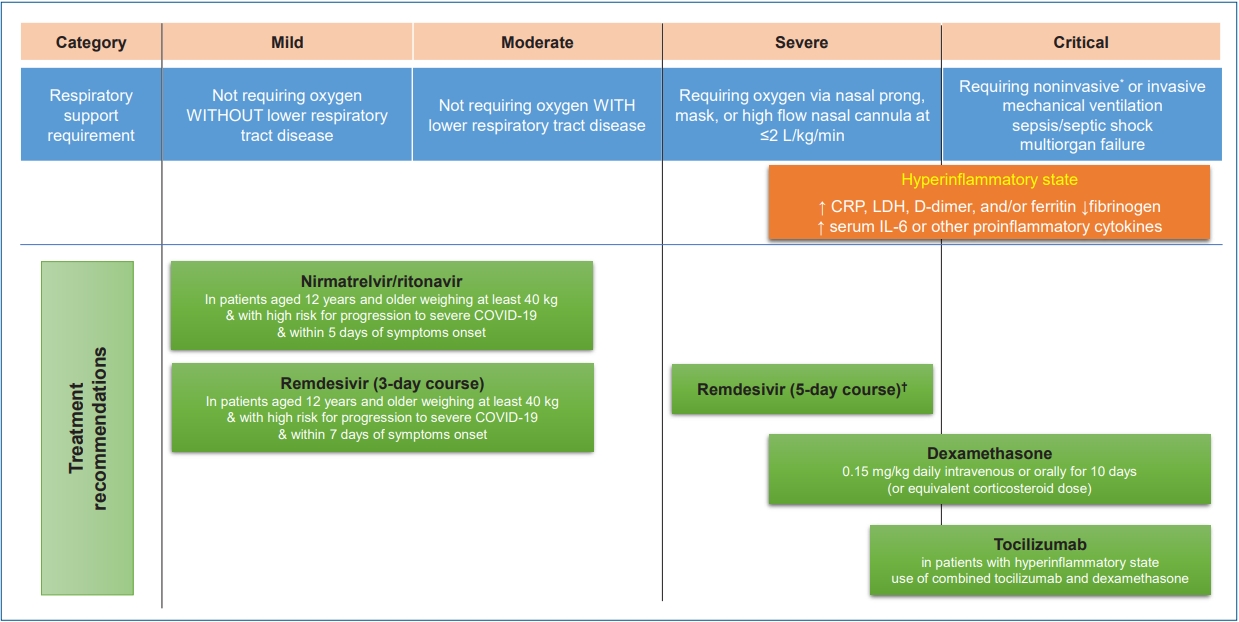
Therapeutics for the treatment of coronavirus disease 2019 in children and adolescents
Soo-Han Choi, Jae Hong Choi, Ki Wook Yun
Clin Exp Pediatr. 2022;65(8):377-386.   Published online June 27, 2022
· Children and adolescents with high risks for severe coronavirus disease 2019 (COVID-19) should be identified and proper treatment should be provided promptly according to the patient’s condition.
· Remdesivir can be considered for pediatric patients of all ages with COVID-19 who have an emergent or increase in supplemental oxygen.
· The use of corticosteroids is not recommended for patients with nonsevere COVID-19. Corticosteroids are recommended in children and adolescents with severe and critical COVID-19.
Neurobehavior
Jeopardized mental health of children and adolescents in coronavirus disease 2019 pandemic
Bohyun Jin, Sohee Lee, Un Sun Chung
Clin Exp Pediatr. 2022;65(7):322-329.   Published online June 3, 2022
∙ The coronavirus disease 2019 (COVID-19) pandemic has required preventive measures like self-quarantine, school closures, and lockdown, which ultimately make youth directly and indirectly vulnerable to depression, anxiety, posttraumatic stress disorder, and somatization.
∙ Child abuse is more common in the COVID-19 era than previously.
∙ Pediatricians should carefully examine parental and child mental health to directly and indirectly aid their physical and mental health.
Original Article
Oncology
Treatment outcomes of high-dose chemotherapy plus stem cell rescue in high-risk neuroblastoma patients in Thailand
Kunanya Suwannaying, Piti Techavichit, Patcharee Komvilaisak, Napat Laoaroon, Nattee Narkbunnam, Kleebsabai Sanpakit, Kanhatai Chiengthong, Thirachit Chotsampancharoen, Lalita Sathitsamitphong, Chalongpon Santong, Panya Seksarn, Suradej Hongeng, Surapon Wiangnon
Clin Exp Pediatr. 2022;65(9):453-458.   Published online May 24, 2022
Question: This study aimed to elucidate the outcomes of high-risk neuroblastoma (HR-NB) patients treated with high-dose chemotherapy and stem cell rescue without immunotherapy.
Finding: The 5-year overall survival and event-free survival rates were 45.1% and 40.4%, respectively.
Meaning: High-dose chemotherapy plus stem cell rescue followed by cis-retinoic acid for 12 months is well tolerated and could improve survival in patients with HR-NB in limited resource settings.
Neonatology (Perinatology)
Neonatal sepsis-causing bacterial pathogens and outcome of trends of their antimicrobial susceptibility a 20-year period at a neonatal intensive care unit
Woo Sun Song, Hye Won Park, Moon Youn Oh, Jae Young Jo, Chae Young Kim, Jung Ju Lee, Euiseok Jung, Byong Sop Lee, Ki-Soo Kim, Ellen Ai-Rhan Kim
Clin Exp Pediatr. 2022;65(7):350-357.   Published online December 9, 2021
Question: What is prevalence of bacterial pathogens causing sepsis and their antimicrobial susceptibility over 20 years?
Finding: Coagulase-negative remains most common causative organism. The most common gram-negative organism was Klebsiella pneumonia. The susceptibility of staphylococcus aureus and K. pneumonia showed increased susceptability to oxacillin, cefotaxime and amikacin, gentamicin, respectively.
Meaning: Answers to the question asked is important in choosing antimicrobials and to monitor emergence of multidrug-resistant organisms.
Neurology
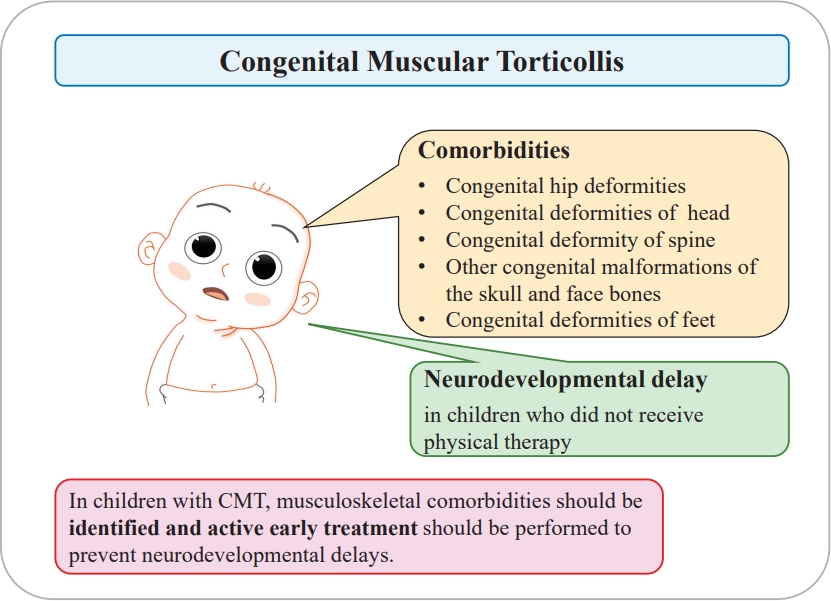
Neurodevelopmental outcomes and comorbidities of children with congenital muscular torticollis: evaluation using the National Health Screening Program for Infants and Children database
Og Hyang Kim, Seung Won Lee, Eun Kyo Ha, Ju Hee Kim, Yun Hye Jo, Seongyeong Rhie, Man Yong Han, Kyu Young Chae
Clin Exp Pediatr. 2022;65(6):312-319.   Published online December 9, 2021
Question: What comorbidities are increased in children with congenital muscular torticollis (CMT)? Are there differences in the neurodevelopmental outcomes of children with CMT who received physical therapy versus those who did not?
Finding: The risk of congenital musculoskeletal deformities is increased in CMT. Children who did not receive physical therapy were at greater risk of neurodevelopmental delay.
Meaning: In CMT, musculoskeletal comorbidities should be identified and active early treatment provided.
Review Article
Infection
Epidemiological changes in infectious diseases during the coronavirus disease 2019 pandemic in Korea: a systematic review
Jong Gyun Ahn
Clin Exp Pediatr. 2022;65(4):167-171.   Published online November 30, 2021
· Nonpharmaceutical interventions (NPIs) have had a major impact on the epidemiology of various infectious diseases in Korea.
· Respiratory diseases and gastrointestinal viral diseases were significantly reduced during the NPI period.
· The decrease in Kawasaki disease after the introduction of NPI is an unintended result.
· Infectious diseases that decreased during NPI use may re-emerge.
· We must continuously monitor the epidemiology of various infectious diseases during the coronavirus era
Etiological and pathophysiological enigmas of severe coronavirus disease 2019, multisystem inflammatory syndrome in children, and Kawasaki disease
Jung-Woo Rhim, Jin-Han Kang, Kyung-Yil Lee
Clin Exp Pediatr. 2022;65(4):153-166.   Published online November 23, 2021
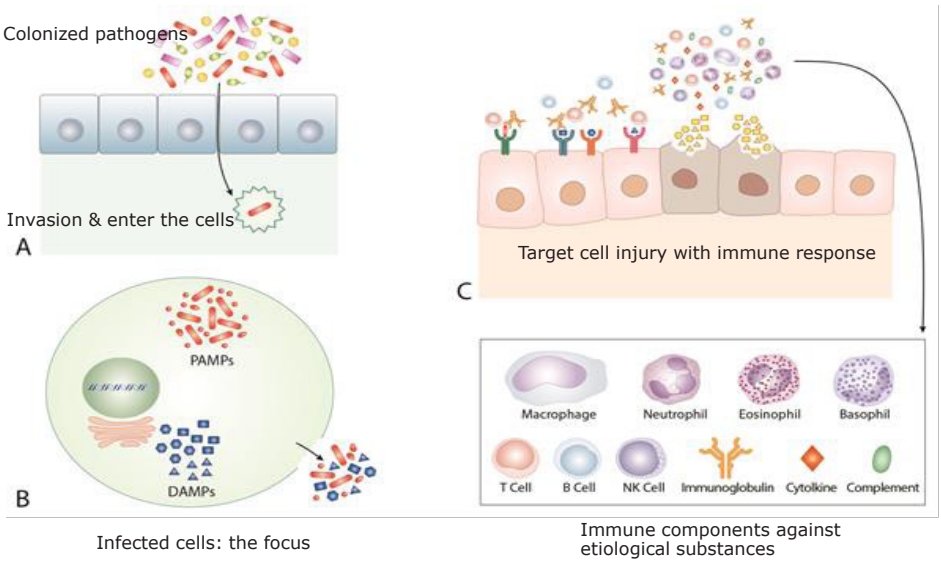
· Severe cases of coronavirus disease, Kawasaki disease (KD), and multisystem inflammatory syndrome in children (MIS-C) share similar findings: a protracted clinical course, multiorgan involvement, and similar activated biomarkers.
· Here we propose etiological agents in KD and MIS-C as species in the microbiota and introduce a common pathogenesis through the protein-homeostasis-system hypothesis.
· Early proper dose of corticosteroids and/or intravenous immunoglobulin may help to reduce morbidity and mortality in these diseases.
Original Article
Endocrinology
Effects of probiotics combined with dietary and lifestyle modification on clinical, biochemical, and radiological parameters in obese children with nonalcoholic fatty liver disease/nonalcoholic steatohepatitis: a randomized clinical trial
Thushara Rodrigo, Samaranayake Dulani, Sumudu Nimali Seneviratne, Arjuna P. De Silva, Jerad Fernando, H. Janaka De Silva, Jayasekera , V. Pujitha Wickramasinghe
Clin Exp Pediatr. 2022;65(6):304-311.   Published online November 11, 2021
Question: Could probiotics be used as a therapeutic modality in nonalcoholic fatty liver disease/nonalcoholic steatohepatitis?
Finding: There seem no added advantages over lifestyle modifications compared to Probiotics.
Meaning: There does not seem to be an advantage of probiotics over lifestyle modifications in improving obesity-associated metabolic derangement in children.
Review Article
Hematology
Thrombosis and severe acute respiratory syndrome coronavirus 2 vaccines: vaccine-induced immune thrombotic thrombocytopenia
Young Shil Park
Clin Exp Pediatr. 2021;64(8):400-405.   Published online June 30, 2021
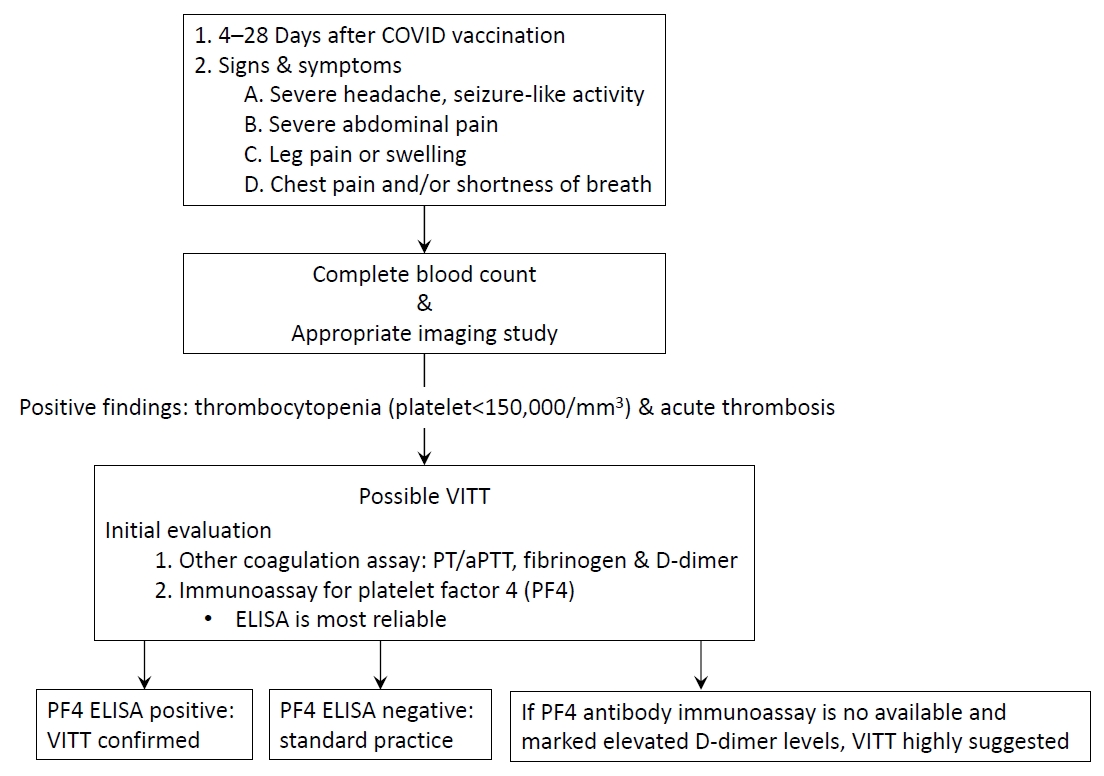
· Thrombosis and thrombocytopenia occurring within 4–28 days after severe acute respiratory syndrome coronavirus 2 vaccination require attention.
· The terms vaccine-induced immune thrombotic thrombocytopenia (VITT) and thrombosis with thrombocytopenia syndrome (TTS) are used.
· VITT is pathogenetically similar to heparin-induced thrombocytopenia.
· VITT/TTS could be associated with the development of platelet-activating anti-platelet factor 4 antibodies.
· For suspected VITT/TTS, early treatment decisions (intravenous immunoglobulin, non-heparin anticoagulant, and avoidance of platelet transfusions) are important.
Neurology
Cognitive outcomes in late childhood and adolescence of neonatal hypoxic-ischemic encephalopathy
Bo Lyun Lee, Hannah C. Glass
Clin Exp Pediatr. 2021;64(12):608-618.   Published online May 24, 2021
∙ Cognitive impairments occur in children with hypoxic-ischemic encephalopathy (HIE) even without neuromotor deficits.
∙ Therapeutic hypothermia has improved neurodevelopmental outcomes of children with HIE; however, 40% of children remain at risk of death/disability or cognitive impairments necessitating the development of adjunctive neuroprotective therapies.
∙ Long-term follow-up until adolescence is required to identify cognitive dysfunction.
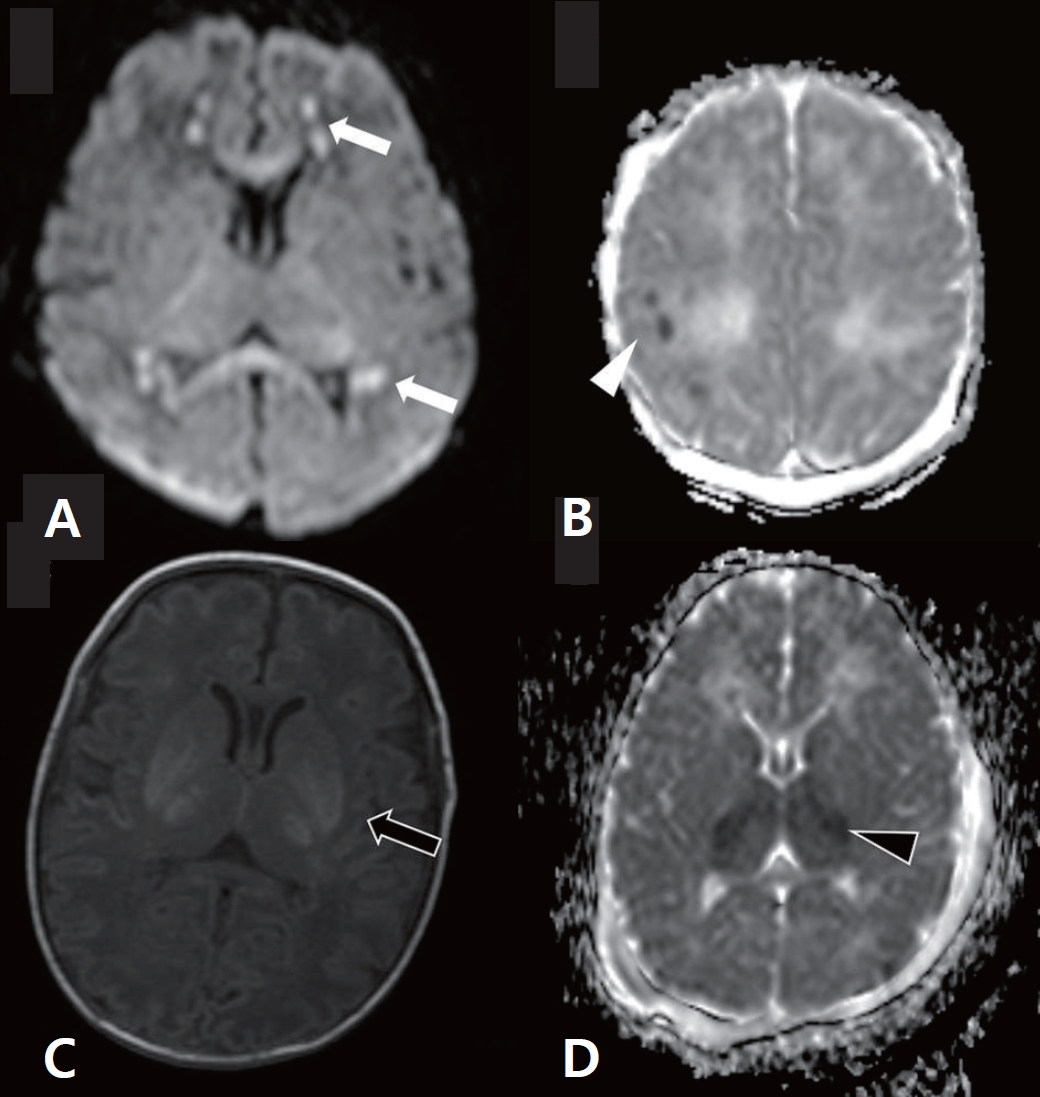
∙ A pattern of watershed injury on brain imaging is associated with poor cognitive outcomes.
Nutrition
Changes in health status of North Korean children and emerging health challenges of North Korean refugee children
Seong-Woo Choi
Clin Exp Pediatr. 2021;64(11):552-558.   Published online May 17, 2021
· Among North Korean refugee (NKR) children under 5 years, 61% and 9.3% were underweight in 1998 and 2017, respectively.
· The immunization rate of NKR children exceeded 90% since 2006.
· For NKR children, protein-energy malnutrition was the #1 cause of death in 2009 versus #17 in 2019.
· In 2020, stunting affected 5.4% and 0.9% and obesity affected 10.7% and 2.7% of NKR versus South Korean children, respectively.
Original Article
Endocrinology
Association between polycystic ovary syndrome and risk of attention-deficit/hyperactivity disorder in offspring: a meta-analysis
Azam Maleki, Saeid Bashirian, Ali Reza Soltanian, Ensiyeh Jenabi, Abdollah Farhadinasab
Clin Exp Pediatr. 2022;65(2):85-89.   Published online April 15, 2021
Question: Have polycystic ovary syndrome (PCOS) increased risk of having an offspring with attention-deficit/hyperactivity disorder (ADHD)?
Finding: Six articles (3 cohort and 3 case-control studies; 401,413 total ADHD cases) met the study criteria. Maternal PCOS was associated with an increased risk of ADHD in the offspring based on odds ratio (OR) and relative ratio (RR) (OR, 1.42; 95% confidence interval [CI], 1.27–1.57) and (RR, 1.43; 95% CI, 1.35–1.51), respectively.
Meaning: Our study showed that maternal PCOS is a risk factor for ADHD.
Review Article
Infection
Effects of nasopharyngeal microbiota in respiratory infections and allergies
Hyun Mi Kang, Jin Han Kang
Clin Exp Pediatr. 2021;64(11):543-551.   Published online April 15, 2021
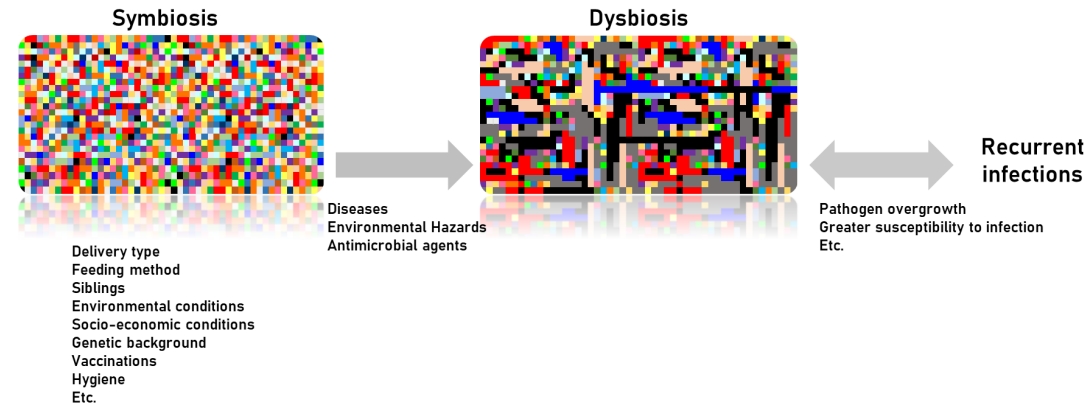
· The nasal microbiota varies with age and is shaped by various factors in healthy individuals.
· The pathological condition of the respiratory tract appears to be associated with reduced nasal microbiota biodiversity, while dysbiosis is involved in the pathophysiology of many respiratory diseases, including otitis, sinusitis, allergic diseases, and lower respiratory infections.
Original Article
General Pediatrics
Efficacy of probiotics for managing infantile colic due to their anti-inflammatory properties: a meta-analysis and systematic review
Reza Shirazinia, Ali Akbar Golabchifar, Mohammad Reza Fazeli
Clin Exp Pediatr. 2021;64(12):642-651.   Published online April 12, 2021
Question: Do probiotics reduce colic symptoms?
Finding: Probiotics reduced colic symptoms in colicky infants probably due to the anti-inflammatory properties.
Meaning: Probiotics may be an effective and less noxious way to manage infantile colic.
Neonatology (Perinatology)
Perinatal outcome and possible vertical transmission of coronavirus disease 2019: experience from North India
Ritu Sharma, Shikha Seth, Rakhee Sharma, Sanju Yadav, Pinky Mishra, Sujaya Mukhopadhyay
Clin Exp Pediatr. 2021;64(5):239-246.   Published online February 16, 2021
Question: Is there any risk of vertical transmission of coronavirus disease 2019 (COVID-19), and what is its neonatal profile?
Finding: Biological samples for vertical transmission were negative in all deliveries; however, 2 neonates tested positive for nasopharyngeal COVID-19 reverse transcription-polymerase chain reaction. No significant neonatal morbidity was observed.
Meaning: COVID-19 does not increase adverse neonatal outcomes and shows a negligible risk of vertical transmission; however, horizontal transmission cannot be underestimated.
Review Article
Critical Care Medicine
Pediatric postintensive care syndrome: high burden and a gap in evaluation tools for limited-resource settings
Chanapai Chaiyakulsil, Rapee Opasatian, Paweethida Tippayawong
Clin Exp Pediatr. 2021;64(9):436-442.   Published online December 18, 2020
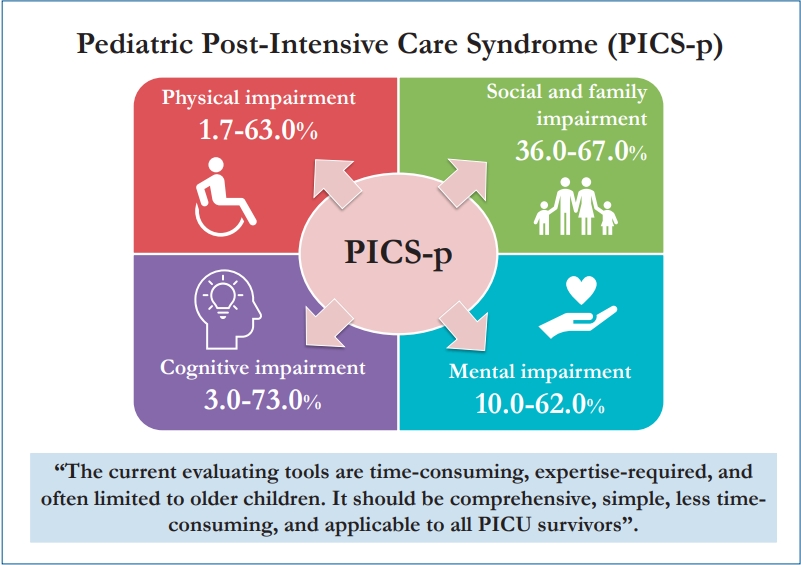
Pediatric postintensive care syndrome has high impact and burden and can affect a child’s life for decades. The early evaluation and detection of such problems require a simple and less time-consuming surveillance tool. Current evaluation tools can be difficult and strenuous for areas with limited resources. Thus, a new simple tool is required for the early detection and intervention of postintensive care syndrome in critically ill children
Guideline
Endocrinology
2017 Clinical practice guidelines for dyslipidemia of Korean children and adolescents
Jung Sub Lim, Eun Young Kim, Jae Hyun Kim, Jae-Ho Yoo, Kyung Hee Yi, Hyun Wook Chae, Jin-Ho Choi, Ji Young Kim, Il Tae Hwang; the Committee of Dyslipidemia of Korean Children and Adolescents on behalf of Korean Society of Pediatric Endocrinology (KSPE)
Clin Exp Pediatr. 2020;63(12):454-462.   Published online November 25, 2020
Question: How are children and adolescents with dyslipidemia treated and managed in Korea?
Finding: 2017 guidelines recommend to measure nonfasting non-HDL-C as a screening test and introduce new diet methods: Cardiovascular Health Integrated Lifestyle Diet (CHILD)-1, CHILD-2-low-density lipoprotein cholesterol, and CHILD-2-triglyceride. Statin is the only drug approved in children older than 10 years.
Meaning: New clinical practice guidelines for treating and managing dyslipidemia of Korean children and adolescents are provided.
Original Article
Nephrology (Genitourinary)
Expression profiling of cultured podocytes exposed to nephrotic plasma reveals intrinsic molecular signatures of nephrotic syndrome
Stuti Panigrahi, Varsha Chhotusing Pardeshi, Karthikeyan Chandrasekaran, Karthik Neelakandan, Hari PS, Anil Vasudevan
Clin Exp Pediatr. 2021;64(7):355-363.   Published online November 1, 2020
Question: Is it possible to classify nephrotic syndrome (NS) through gene expression profiling of podocytes exposed to NS plasma?
Finding: Our data showed different expression profiles in podocytes exposed to nephrotic plasma from different clinical groups, suggesting the molecular stratification of patients into intrinsic subtypes.
Meaning: Transcriptome profiling of podocytes treated with NS plasma can stratify patients into intrinsic subtypes and provide insight into the molecular mechanisms of podocyte injury.
Review Article
Neurology
Myths and truths about pediatric psychogenic nonepileptic seizures
Jung Sook Yeom, Heather Bernard, Sookyong Koh
Clin Exp Pediatr. 2021;64(6):251-259.   Published online October 17, 2020
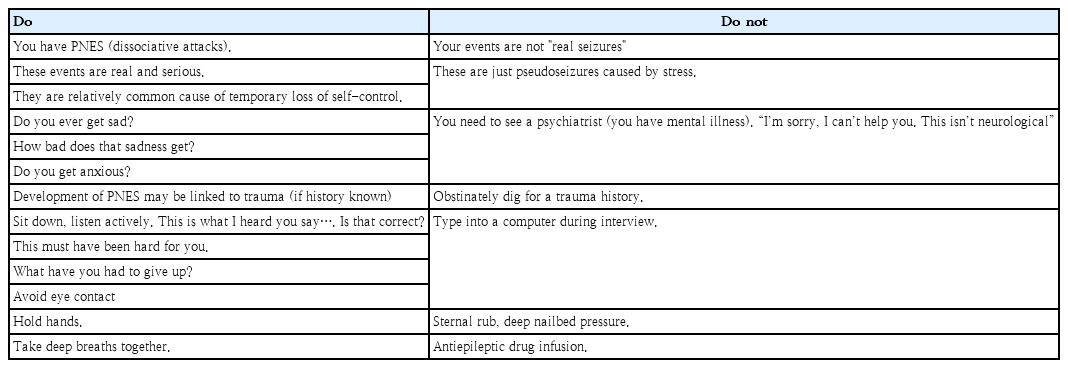
• Psychogenic non-epileptic seizures (PNES) are events that look like epileptic seizures but are not caused by abnormal electrical discharges.
• PNES are a manifestation of psychological and emotional distress.
• Treatment for PNES does not begin with the psychological intervention but starts with the diagnosis and how the diagnosis is delivered.
• A multifactorial biopsychosocial process and a neurobiological review are both essential components when treating PNES
Original Article
Infection
Febrile urinary tract infection in children: changes in epidemiology, etiology, and antibiotic resistance patterns over a decade
Woosuck Suh, Bi Na Kim, Hyun Mi Kang, Eun Ae Yang, Jung-Woo Rhim, Kyung-Yil Lee
Clin Exp Pediatr. 2021;64(6):293-300.   Published online October 14, 2020
Question: How has the antibiotic susceptibility of urinary pathogens changed and what does it imply?
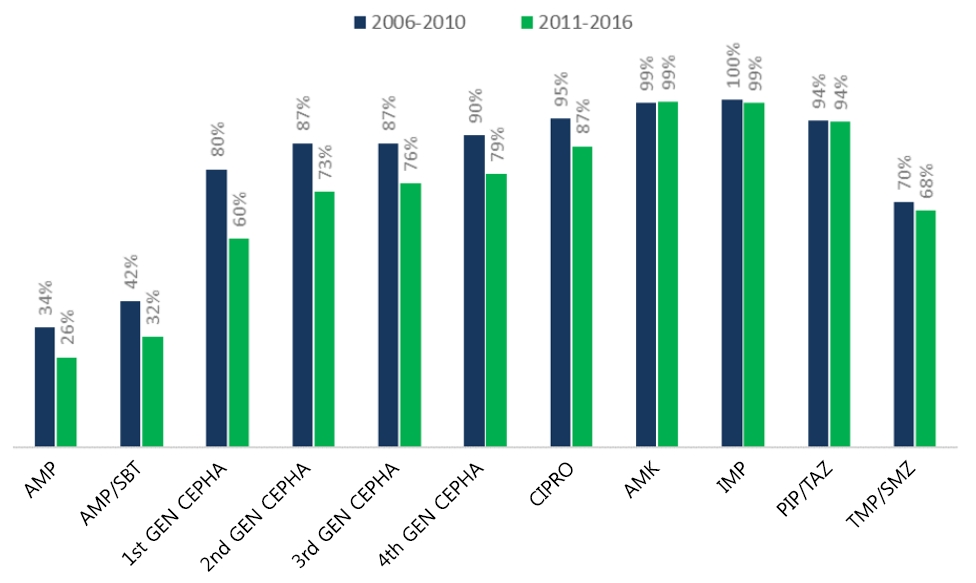
Finding: A yearly increase in multidrug-resistant and extended-spectrum β-lactamase (ESBL)–producing pathogens was observed. A higher recurrence rate was observed in cases of febrile urinary tract infection caused by ESBL producers in patients with underlying vesicoureteral reflux (VUR).
Meaning: The initial empirical antibiotic should reflect the changing susceptibility patterns and underlying VUR status.
Review Article
Neurology
Is it really a seizure? The challenge of paroxysmal nonepileptic events in young infants
Seung Yeon Jung, Joon Won Kang
Clin Exp Pediatr. 2021;64(8):384-392.   Published online September 18, 2020
Paroxysmal nonepileptic events (PNE) comprise of a variety of nonepileptic behaviors and are divided into various types. A more accurate diagnosis is possible by examining the video clip provided by the caregiver. In infants, physiologic PNE accounts for the majority of the PNE. It is important to exclude epilepsy, for which blood tests, electroencephalography, and imaging tests can facilitate differential...


TOPICS

Browse all articles >

ARTICLE CATEGORY

Browse all articles >

BROWSE ARTICLES
FOR CONTRIBUTORS
ABOUT
Editorial Office
Korean Pediatric Society
#1606 Seocho World Officetel, 19 Seoun-ro, Seocho-ku, Seoul 06732, Korea
Tel: +82-2-3473-7306    Fax: +82-2-3473-7307    E-mail: office@e-cep.org                

Clinical and Experimental Pediatrics is an open access journal. All articles are distributed under the terms of the Creative Commons Attribution NonCommercial License (http://creativecommons.org/licenses/by-nc/4.0/)

Copyright © 2026 by Korean Pediatric Society.      Developed in M2PI