|
|
Question: Do serum soluble C5b-9 (sC5b-9) levels change following immunomodulatory therapy in children with multisystem inflammatory syndrome in children (MIS- C)? Finding: In this longitudinal multicentric study of 100 children with MIS-C, serum sC5b-9 concentrations significantly decreased following treatment, although some patients showed persistently elevated levels at discharge. Meaning: Serial sC5b-9 measurements may indicate treatment-associated immune activity and recovery in MIS-C. |
|
|
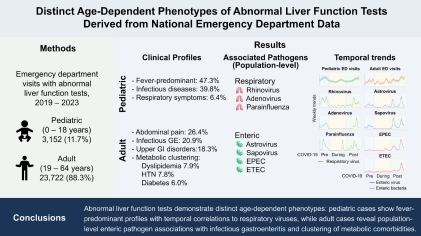
Question: What are the clinical phenotypes and pathogen associations of pediatric and adult Emergency Department visits for abnormal liver function tests? Finding: Pediatric visits showed fever-predominant profiles with temporal correlations with respiratory viruses, whereas adult visits revealed population-level temporal associations between enteric pathogens and infectious gastroenteritis, upper gastrointestinal disorders, and metabolic comorbidity clustering. Meaning: These findings provide novel population-level evidence of age-specific pathogen associations and support distinct age-stratified clinical diagnostics. |
|
|
Question: How do body mass index (BMI) and metabolic markers change over time in severely obese Korean children and adolescents receiving only lifestyle modifications? Finding: Among 124 participants, BMI z scores decreased modestly over 2.6 years, primarily in younger prepubertal boys. However, most remained severely obese, with minimal improvement in body composition or metabolic markers. Meaning: Lifestyle interventions alone have limited efficacy for severe pediatric obesity. Early and more intensive treatments are required. |
|
|
Question: Does atrial septal defect (ASD) physiology affect postrepair mitral valve growth in patients with coarctation of the aorta or an interrupted aortic arch? Finding: Mitral valve growth occurred after biventricular repair but not single-ventricle palliation, particularly in patients with small valves and low ASD pressure gradients. Meaning: The ASD pressure gradient determines mitral valve growth and should guide surgical strategies in patients with borderline hypoplastic left heart syndrome. |
|
|
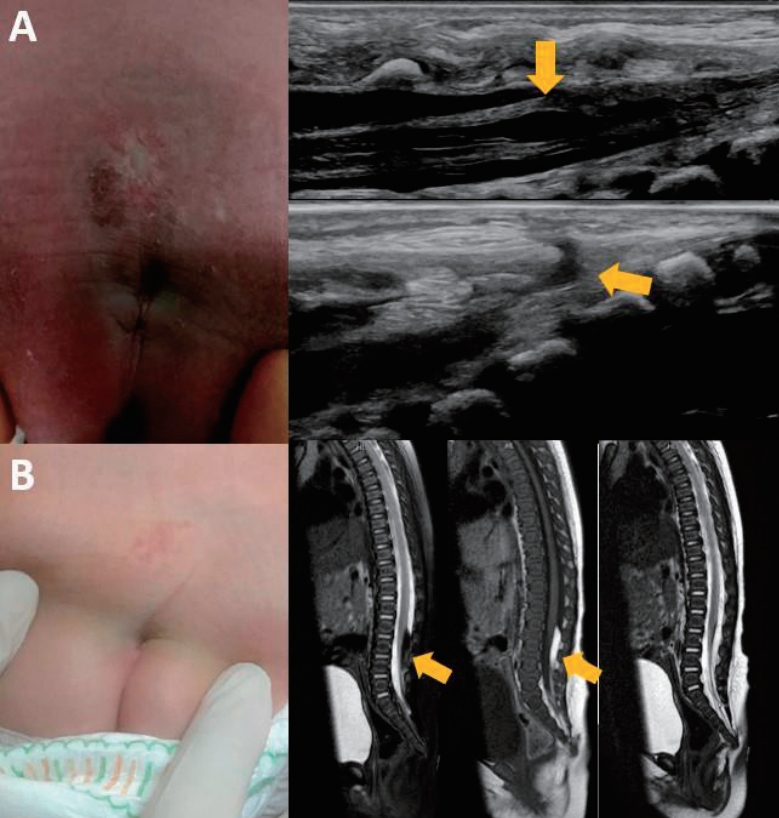
· Most sacral dimples are benign, but atypical features may indicate occult spinal dysraphism. · Simple dimples meeting strict criteria require no imaging, whereas atypical dimples require targeted ultrasonography or magnetic resonance imaging. · The early diagnosis and surgical management of highrisk cases prevents irreversible neurological, orthopedic, and urological deficits. |
|
|
Question: Does less invasive surfactant administration (LISA) (vs. intubation-surfactant-extubation) improve clinical outcomes in preterm infants with respiratory distress syndrome? Finding: LISA significantly reduced intubation and invasive mechanical ventilation needs within the first 72 hours and shortened the overall invasive respiratory support duration without increasing other morbidities. Meaning: LISA is a less invasive and safer surfactant delivery alternative. Larger multicenter trials are needed to confirm its long-term safety and efficacy, especially in low- and middle-income countries. |
|
|
· Neonatal ichthyosis-sclerosing cholangitis (NISCH) syndrome is a rare autosomal recessive disorder characterized by cholestasis and manifestations such as generalized ichthyosis, alopecia, and dental anomalies. · The clinical features of NISCH syndrome are distinct and necessitate an early genetic diagnosis. · The disease phenotype can vary significantly, ranging from no liver involvement and transient neonatal cholestasis to end-stage liver disease. · Management requires a multidisciplinary approach with long-term follow-up. |
|
|
Question: Can cytokine levels predict low cardiac output syndrome (LCOS) in children post–cardiopulmonary bypass? Finding: Elevated interleukin (IL)-6, IL-8, and tumor necrosis factor-α levels were associated with LCOS, with an increase in IL-8 of >56 pg/mL from baseline to immediately postoperative being the strongest predictor. Meaning: Monitoring immediately postoperative IL-8 levels may help identify pediatric patients at risk of LCOS, enabling timely interventions to improve outcomes. |
|
|
Question: Although children with postacute sequelae of coronavirus disease 2019 (PASC) may experience persistent symptoms that affect their quality of life (QoL), a screening tool for identifying high-risk children is lacking. Finding: Kinder Lebensqualität fragebogen (KINDL) and Children's Somatic Symptom Inventory-24 (CSSI-24) were significantly correlated. An optimal KINDL cutoff score (74.75) detected those at high risk of a reduced QoL. Meaning: Integrating KINDL and CSSI-24 into routine pediatric outpatient care may enable timely identification and interventions for children at risk of PASC-related impairments. |
|
|
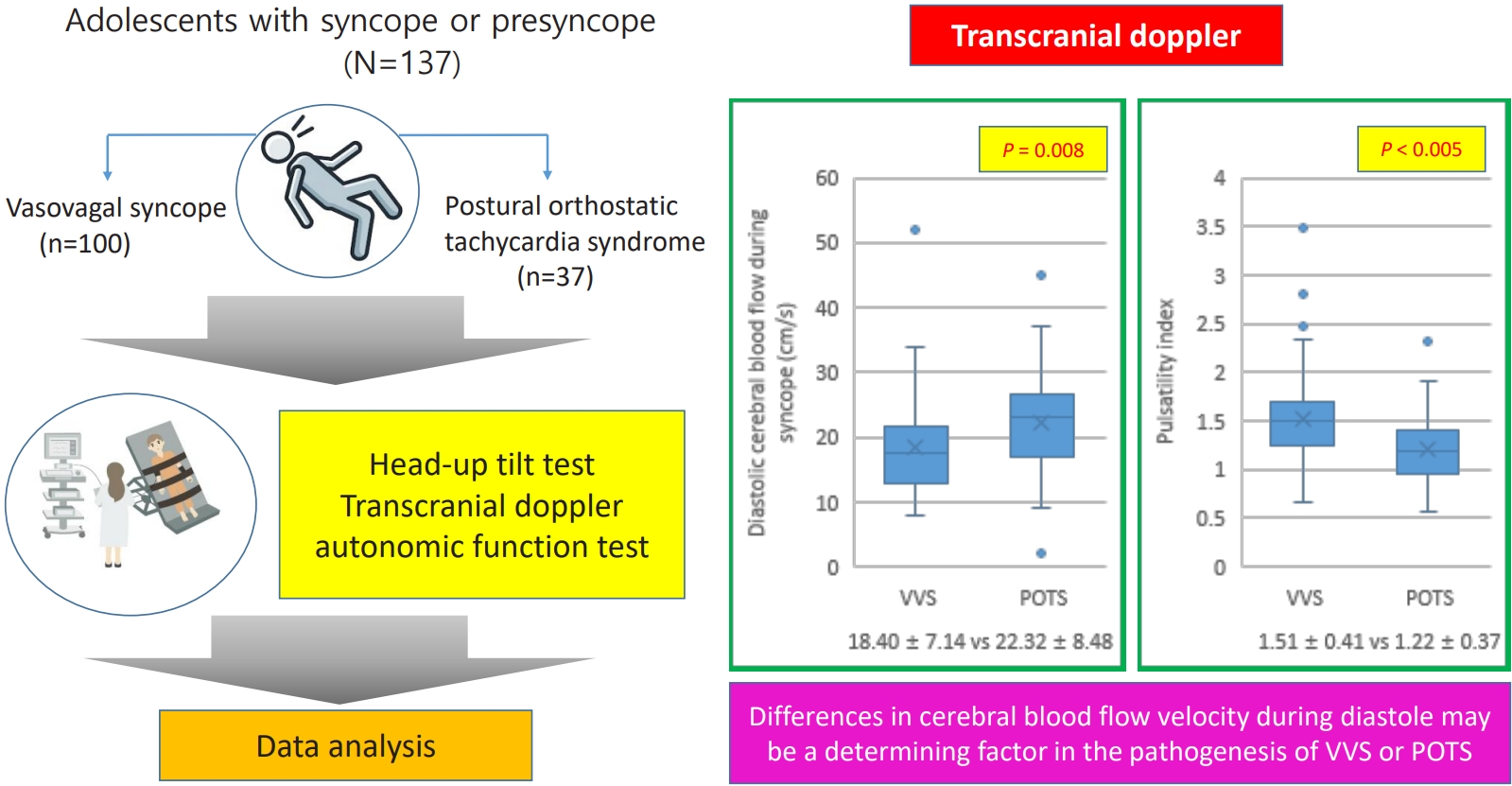
Question: Vasovagal syncope (VVS) and postural orthostatic tachycardia syndrome (POTS) are representative forms of neurally mediated syncope. What influences the occurrence of each? Finding: Autonomic function test results did not differ, but cerebral blood flow during diastole on transcranial doppler differed between VVS and POTS. Meaning: Differences in diastolic cerebral blood flow velocity play an important role in VVS and POTS. |
|
|
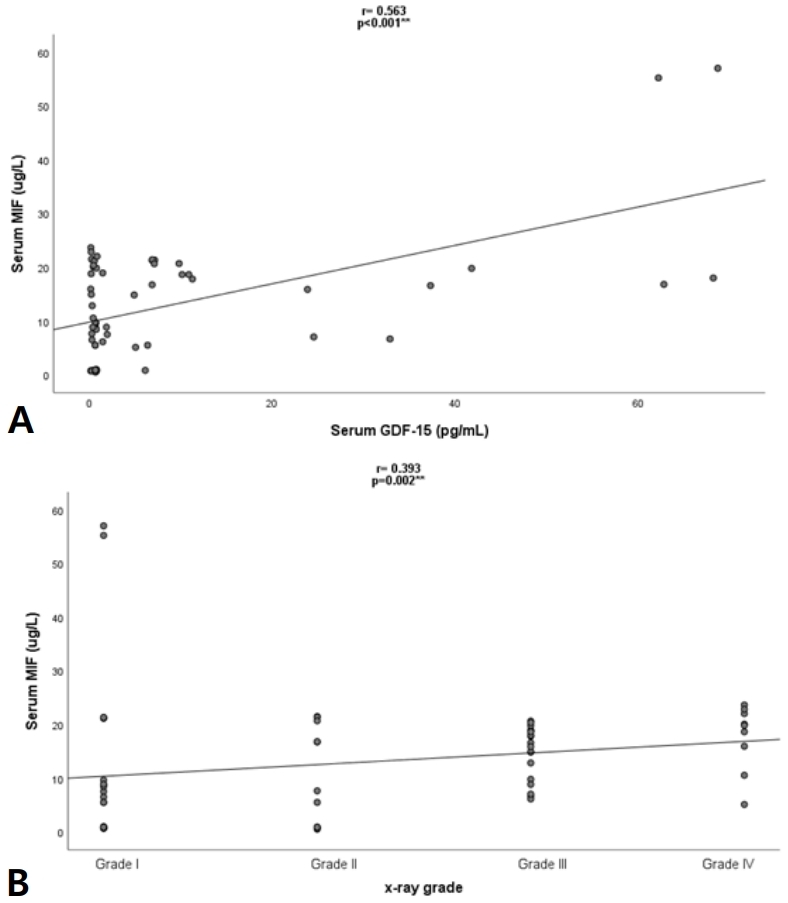
Question: Do macrophage migration-inhibitory factor (MIF) and growth differentiation factor-15 (GDF-15) levels and their gene polymorphisms affect RDS among preterm babies? Finding: Significantly higher serum MIF and GDF-15 levels were observed in patients with severe respiratory distress syndrome (RDS). The mutant G- and C-alleles of GDF-15 rs4808793 C>G single nucleotide polymorphism (SNP) and MIF rs755622 G>C SNP were present at significantly higher frequencies in preterm neonates with RDS. Meaning: MIF and GDF-15 play a significant role in neonatal RDS and its severity. |
|
|
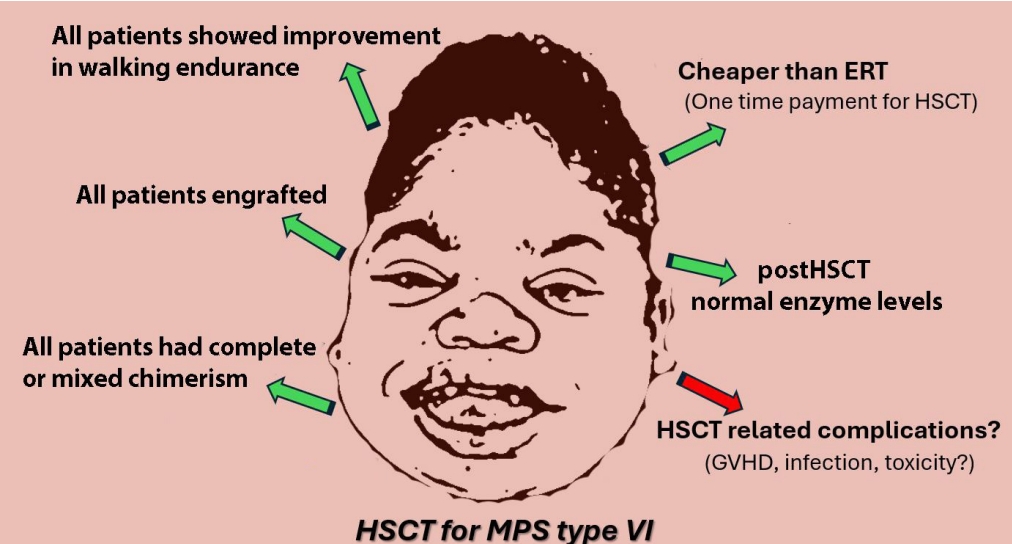
Question: Could hematopoietic stem cell transplantation (HSCT) be an alternative to enzyme replacement therapy (ERT) for type VI mucopolysaccharidosis (MPS VI)? Finding: HSCT is generally not offered due to reports of high toxicity and mortality. However, we detected fewer complications and graft-versus-host disease cases and no deaths with HSCT. Meaning: HSCT is both less expensive than ERT and permanent; thus, it should be considered an alternative treatment for MPS VI. |
|
|
In this report, we describe our experience with a patient with an APC-related genetic syndrome who presented with a rare palatal lesion with characteristics of a schwannoma. We discuss the role of immunohistochemical staining in discerning the differential diagnosis. |
|
|
A positive bidirectional relationship between gastrointestinal disorders and anxiety, but with no clear aetiology, was identified. Factors such as somatisation and pain catastrophising resulted in poorer pain-related outcomes in children. Further studies are required to understand this relationship in order to have targeted treatments and ensure better long term outcomes. |
|
|
Question: How Common is obstructive sleep apnea (OSA) in obese children? OSA is common in obese children, even without habitual snoring. Finding: Among the subjects, 60.6% had positional OSA, 40.2% had rapid eye movement-related OSA, 59.8% had desaturation, 20.5% had sleep-related hypoventilation, and 5.0% had obesity hypoventilation syndrome. Body mass index (BMI) and neck and waist circumferences were significantly associated with severe OSA. Meaning: We recommend screening obese children (BMI > 29.2 kg/m2) for OSA. |
|
· This summary emphasizes the importance of the early diagnosis of Turner syndrome (TS) and presents a multidisciplinary approach to its prevention and management, high-lighting the need for customized care. · Advancements in immunogenetic research may improve our understanding of TS and improve its outcomes. · TS encompasses a wide array of medical challenges, including cardiovascular, endocrine, autoimmune, and mental health issues, as well as a heightened cancer risk. |
|
|
· Pediatric obesity increases the risk of metabolic complications (insulin resistance, dyslipidemia, nonalcoholic fatty liver disease) and long-term cardiovascular diseases. · A new obesity definition and various indicators (continuous metabolic syndrome score, pediatric simple metabolic syndrome score, fatty liver index) have been proposed to evaluate children’s susceptibility to metabolic disorders. · Laboratory and body composition tests in pediatric screenings can identify groups at high risk of metabolic complications of obesity. |
|
|
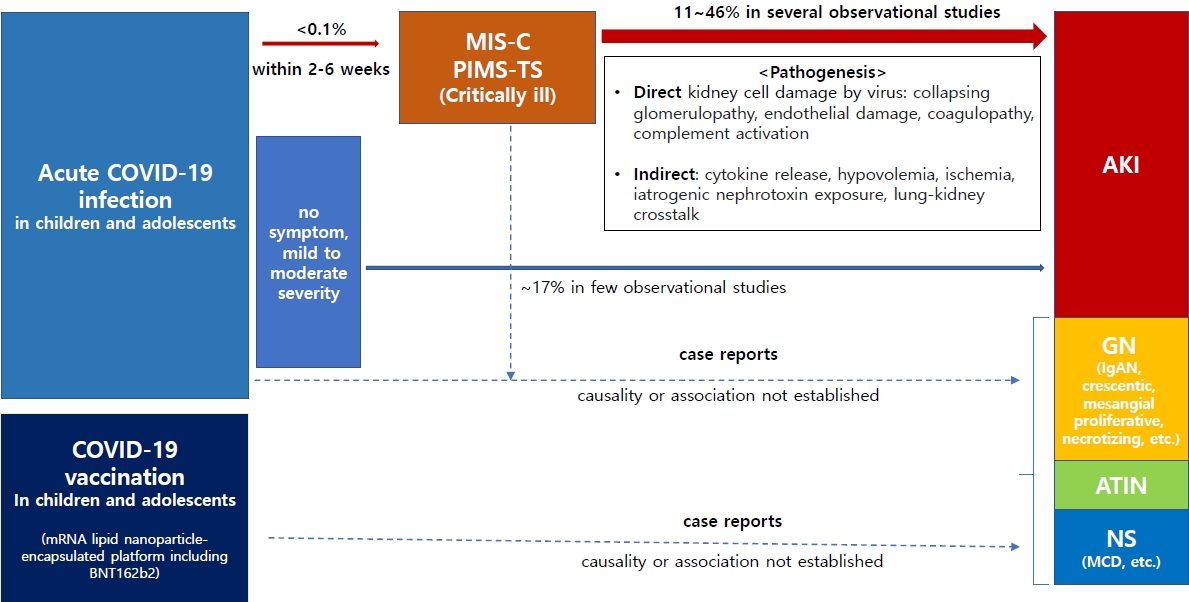
Several observational studies have shown that acute kidney injury affects up to 46% of children and adolescents who develop severe postinflammatory responses, such as multisystem inflammatory syndrome in childhood, due to coronavirus disease 2019 (COVID-19). Although causality has not been established, some cases of glomerulopathy or nephrotic syndrome occurring after COVID-19 infection or vaccination have been reported. Therefore, kidney complications associated with these conditions in children and adolescents warrant attention. |
|
|
· Current definitions of long coronavirus disease (COVID) in children and adolescents vary in duration, ranging from 4 to 12 weeks or more. · The clinical spectrum of long COVID in children and adolescents comprises a wide range of symptoms and might be a multisystem disorder. · Persistent health problems with a prevalence of 1%–66.5% were reported in children and adolescents after COVID-19, with a higher incidence of persistent single or multiple symptoms. |
|
|
Question: Is polycystic ovary syndrome (PCOS) a risk factor for nonalcoholic fatty liver disease (NAFLD) in adolescents? Finding: The frequency of NAFLD did not increase in adolescents with PCOS. However, hyperandrogenemia was a risk factor for NAFLD. Meaning: Adolescents with PCOS and hyperandrogenemia should be closely monitored for hepatic steatosis. |
|
|
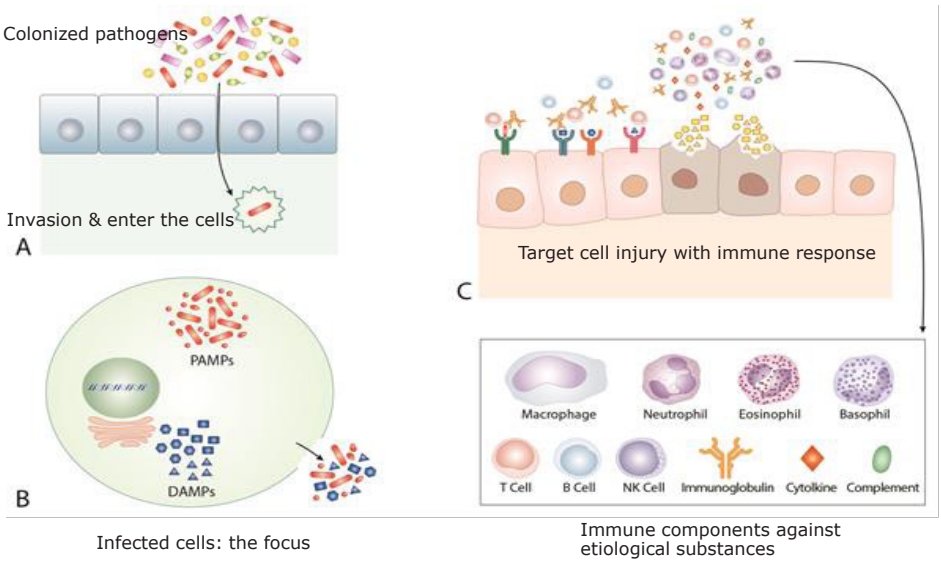
· Severe cases of coronavirus disease, Kawasaki disease (KD), and multisystem inflammatory syndrome in children (MIS-C) share similar findings: a protracted clinical course, multiorgan involvement, and similar activated biomarkers. · Here we propose etiological agents in KD and MIS-C as species in the microbiota and introduce a common pathogenesis through the protein-homeostasis-system hypothesis. · Early proper dose of corticosteroids and/or intravenous immunoglobulin may help to reduce morbidity and mortality in these diseases. |
|
|
Question: Could probiotics be used as a therapeutic modality in nonalcoholic fatty liver disease/nonalcoholic steatohepatitis? Finding: There seem no added advantages over lifestyle modifications compared to Probiotics. Meaning: There does not seem to be an advantage of probiotics over lifestyle modifications in improving obesity-associated metabolic derangement in children. |
|
|
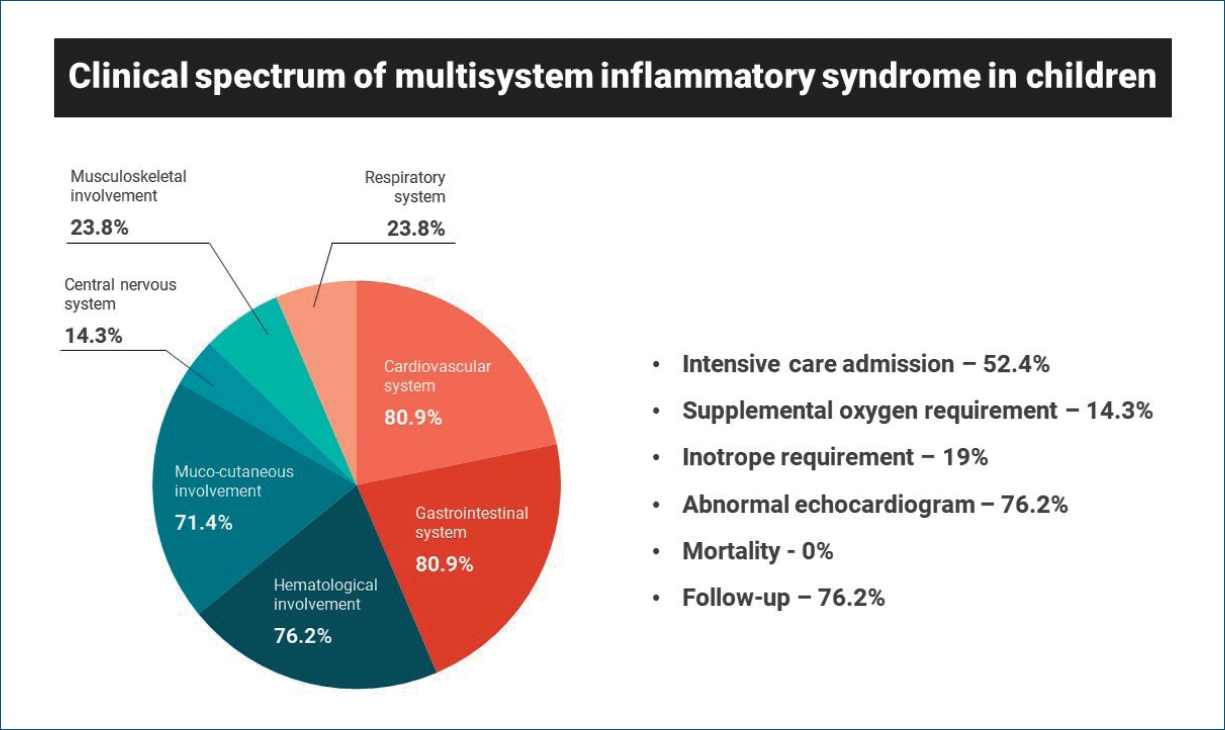
Question: What are the clinical spectrum, course, and short-term outcomes of multisystem inflammatory syndrome in children (MIS-C)? Finding: MIS-C can have variable clinical manifestations. Fever is most common, followed by gastrointestinal and cardiovascular symptoms. Early identification and appropriate management lead to favorable outcomes. Meaning: MIS-C can present in a myriad of ways and severities. High suspicion is necessary to ensure its early identification and appropriate management and favorable patient outcomes. |
|
|
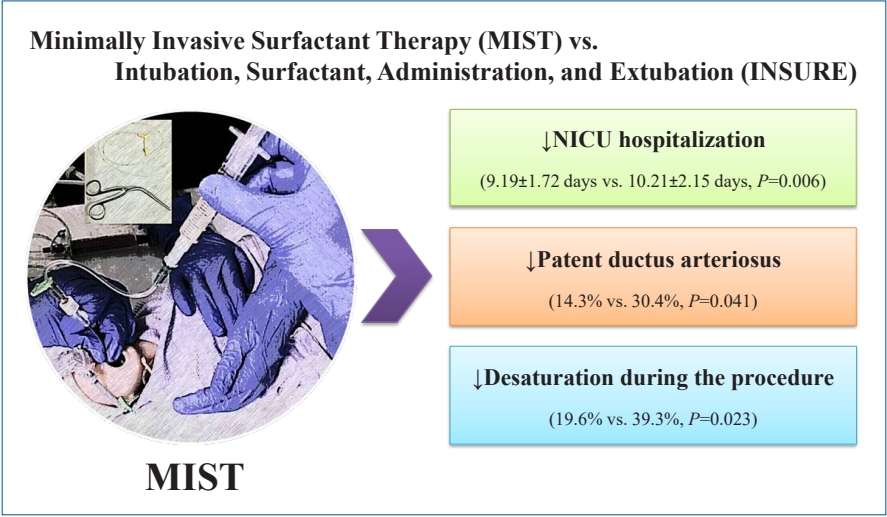
Question: Are the short-term outcomes of minimally invasive surfactant therapy (MIST) relatively superior to those of INtubation, SURfactant administration, and Extubation (INSURE) in preterm infants with respiratory distress syndrome (RDS)? Finding: MIST could be an appropriate substitution for INSURE in preterm infants with RDS since it reduced hospitalization time and number of side effects. Meaning: MIST is recommended for surfactant administration for its proven advantages over the INSURE technique. |
|
|
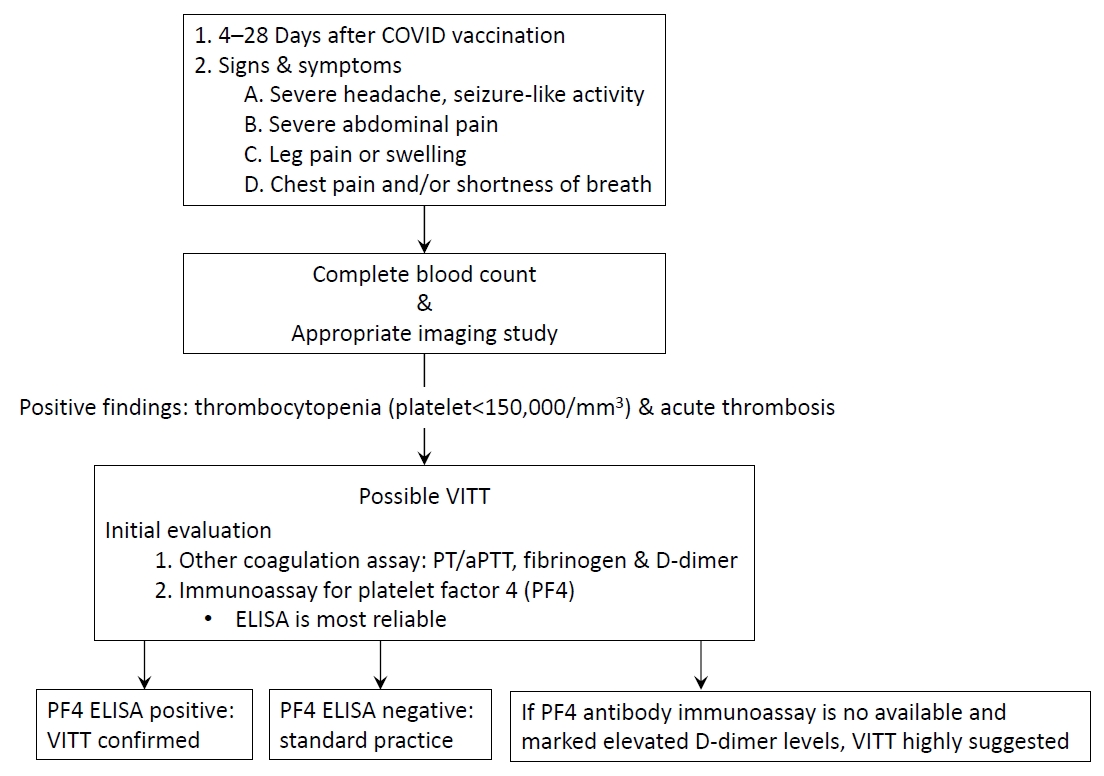
· Thrombosis and thrombocytopenia occurring within 4–28 days after severe acute respiratory syndrome coronavirus 2 vaccination require attention. · The terms vaccine-induced immune thrombotic thrombocytopenia (VITT) and thrombosis with thrombocytopenia syndrome (TTS) are used. · VITT is pathogenetically similar to heparin-induced thrombocytopenia. · VITT/TTS could be associated with the development of platelet-activating anti-platelet factor 4 antibodies. · For suspected VITT/TTS, early treatment decisions (intravenous immunoglobulin, non-heparin anticoagulant, and avoidance of platelet transfusions) are important. |
|
|
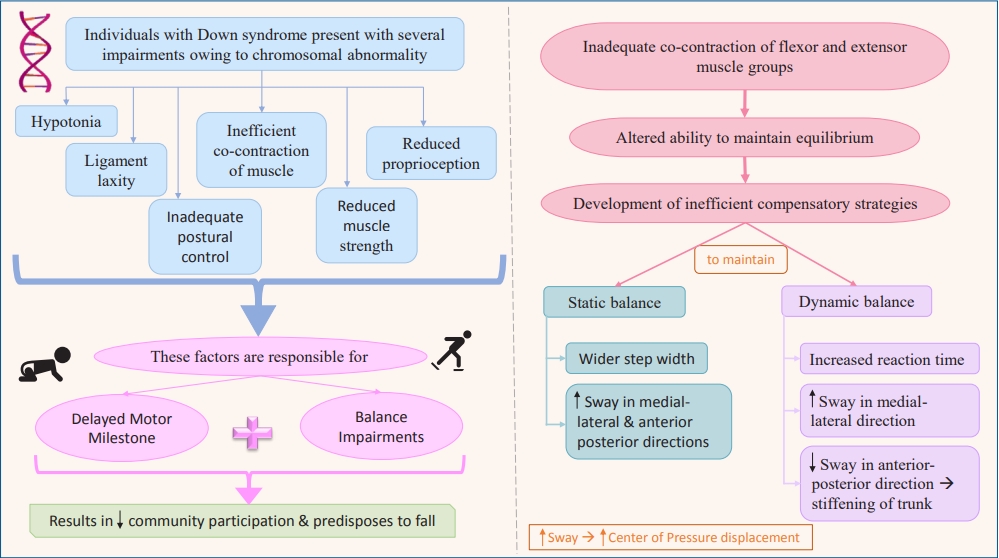
Question: What are the primary motor and balance dysfunctions in children with Down syndrome? Finding: These individuals have gross delays, altered balance, and inefficient compensatory mechanisms. Meaning: Neuromuscular and musculoskeletal impairments due to the chromosomal abnormality lead to developmental delay. These children also exhibit poor balance with greater instability and inefficient compensatory mechanisms including altered center of pressure displacement and trunk stiffening that predisposes them to falls. |
|
|
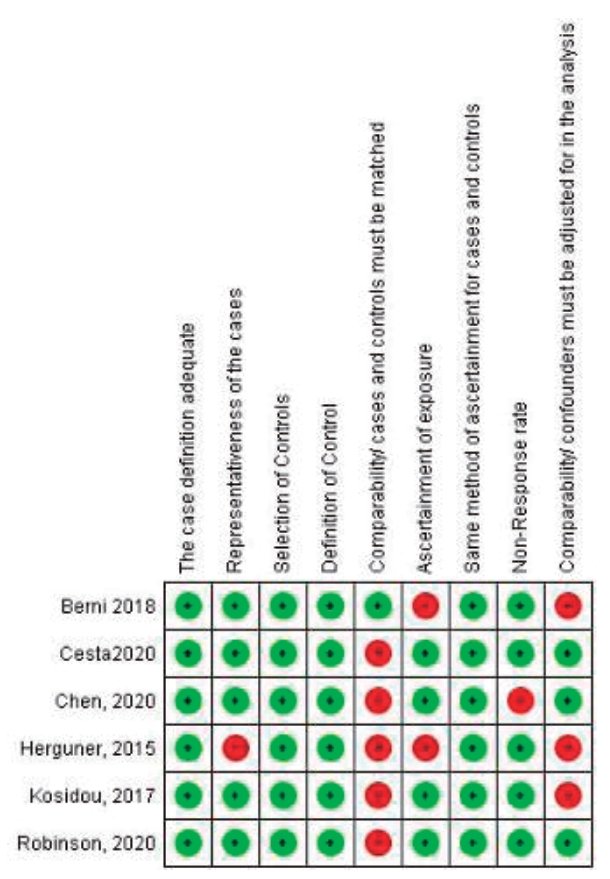
Question: Have polycystic ovary syndrome (PCOS) increased risk of having an offspring with attention-deficit/hyperactivity disorder (ADHD)? Finding: Six articles (3 cohort and 3 case-control studies; 401,413 total ADHD cases) met the study criteria. Maternal PCOS was associated with an increased risk of ADHD in the offspring based on odds ratio (OR) and relative ratio (RR) (OR, 1.42; 95% confidence interval [CI], 1.27–1.57) and (RR, 1.43; 95% CI, 1.35–1.51), respectively. Meaning: Our study showed that maternal PCOS is a risk factor for ADHD. |
|
|
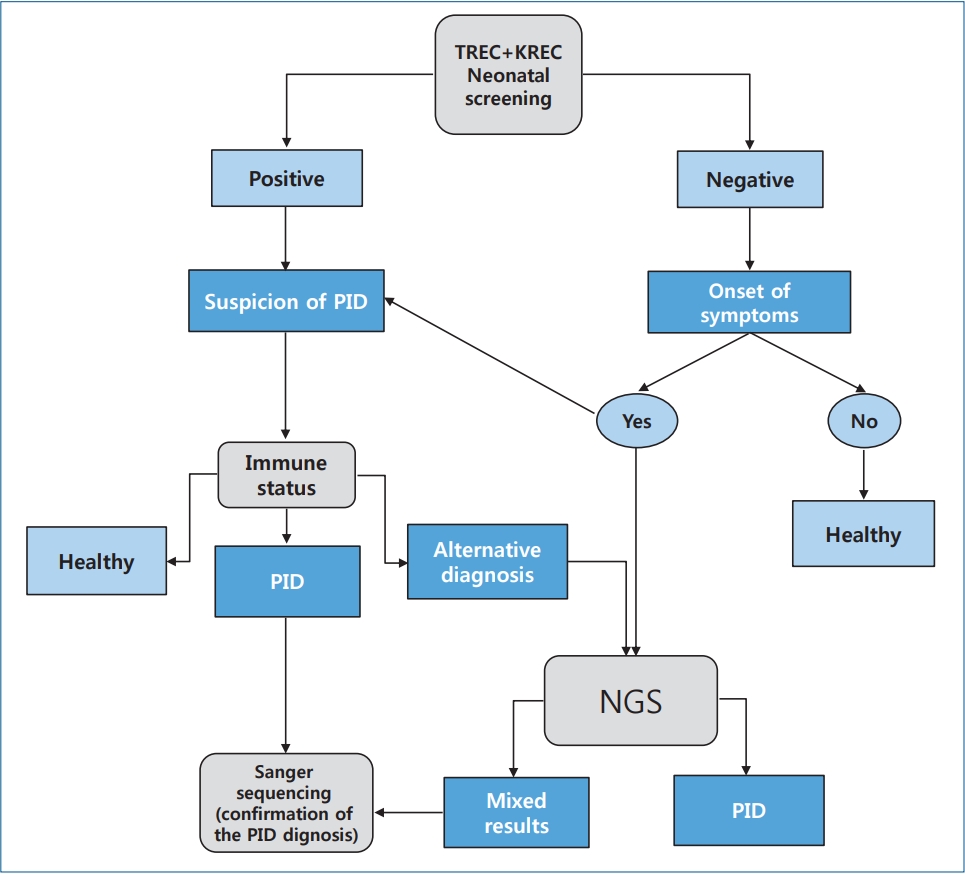
· Neonatal screening for primary immunodeficiency diseases (PIDs) enables early diagnosis and subsequent initiation of therapy. · Excision of T-cell receptors and kappa-recombination excision circles are cheaper alternative PID screening methods. · Sanger DNA sequencing remains the reference method for detecting PID; however, next-generation sequencing technology is increasingly used to diagnose it. · Here we developed a graphical algorithm for diagnosing primary immunodeficiency syndrome based on modern methods of screening for primary immunodeficiencies in newborns. |
|
|
Hundreds of cases of children and adolescents with hyperinflammatory responses such as Kawasaki disease have been reported amid the coronavirus disease 2019 (COVID-19) pandemic, leading to coining of the new term COVID-19–associated multisystem inflammatory syndrome in children. In this review article, we introduce the illness and describe its case definitions, epidemiology, pathogenesis, clinical features, treatments, and outcomes. |
|
|
Question: Is it possible to classify nephrotic syndrome (NS) through gene expression profiling of podocytes exposed to NS plasma? Finding: Our data showed different expression profiles in podocytes exposed to nephrotic plasma from different clinical groups, suggesting the molecular stratification of patients into intrinsic subtypes. Meaning: Transcriptome profiling of podocytes treated with NS plasma can stratify patients into intrinsic subtypes and provide insight into the molecular mechanisms of podocyte injury. |
Clinical and Experimental Pediatrics is an open access journal. All articles are distributed under the terms of the Creative Commons Attribution NonCommercial License (http://creativecommons.org/licenses/by-nc/4.0/)
Copyright © 2026 by Korean Pediatric Society.