Search

  • HOME
  • Search
Original Article
Influence of atrial septal defect on mitral valve growth after repair of coarctation of the aorta or an interrupted aortic arch in infants
Yi-Chia Wang, Hen-Wen Chou, Chi-Hsiang Huang, Hsing-Hao Huang, Yih-Sharng Chen, En-Ting Wu, Shyh-Jye Chen, Ming-Tai Lin, Shuenn-Nan Chiu, Shu-Chien Huang
Background: Patients with coarctation of the aorta (CoA) and an interrupted aortic arch (IAA) may present with small mitral valves (MVs) and a reduced left ventricular (LV) volume. Biventricular repair (BVR) in these patients is dependent on adequate size of the left cardiac structures.
Purpose: This study evaluated the impact of the hemodynamic characteristics of atrial septal defects (ASDs) on MV...
Review Article
Neurology
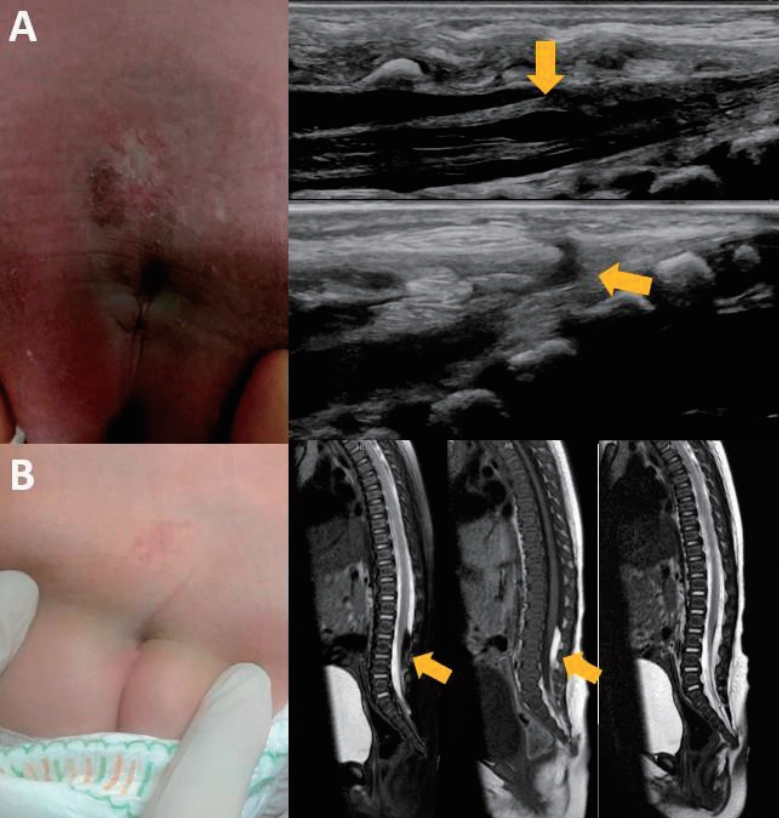
Sacral dimple: clinical perspectives of lesions hidden beneath the skin
Jin Eun, Kwan Sung Lee, Seung Ho Yang
Clin Exp Pediatr. 2026;69(2):103-113.   Published online November 26, 2025
· Most sacral dimples are benign, but atypical features may indicate occult spinal dysraphism.
· Simple dimples meeting strict criteria require no imaging, whereas atypical dimples require targeted ultrasonography or magnetic resonance imaging.
· The early diagnosis and surgical management of highrisk cases prevents irreversible neurological, orthopedic, and urological deficits.
Original Article
Neonatology (Perinatology)
Less invasive surfactant administration versus intubation-surfactant-extubation: a single-center retrospective study
C.S. Jithin, A. Nalina, A. Shashidhar, P.N. Suman Rao
Clin Exp Pediatr. 2025;68(12):991-997.   Published online October 2, 2025
Question: Does less invasive surfactant administration (LISA) (vs. intubation-surfactant-extubation) improve clinical outcomes in preterm infants with respiratory distress syndrome?
Finding: LISA significantly reduced intubation and invasive mechanical ventilation needs within the first 72 hours and shortened the overall invasive respiratory support duration without increasing other morbidities.
Meaning: LISA is a less invasive and safer surfactant delivery alternative. Larger multicenter trials are needed to confirm its long-term safety and efficacy, especially in low- and middle-income countries.
Review Article
Gastroenterology
Neonatal ichthyosis-sclerosing cholangitis syndrome caused by a novel CLDN1 mutation: a case report and literature review
Upasana Ghosh, Ankit Agrawal, Varunvenkat M. Srinivasan, Rani Manisha, Umesh Shukla, Vikas Jain, Mayank Nilay, Harish Kumar
Clin Exp Pediatr. 2025;68(11):858-867.   Published online October 2, 2025
· Neonatal ichthyosis-sclerosing cholangitis (NISCH) syndrome is a rare autosomal recessive disorder characterized by cholestasis and manifestations such as generalized ichthyosis, alopecia, and dental anomalies.
· The clinical features of NISCH syndrome are distinct and necessitate an early genetic diagnosis.
· The disease phenotype can vary significantly, ranging from no liver involvement and transient neonatal cholestasis to end-stage liver disease.
· Management requires a multidisciplinary approach with long-term follow-up.
Original Article
Critical Care Medicine
Cytokine profile of Post–cardiopulmonary bypass in children
Kantara Saelim, Kanokpan Ruangnapa, Jirayut Jarutach, Pongsanae Duangpakdee, Smonrapat Surasombatpattana, Pharsai prasertsan
Clin Exp Pediatr. 2025;68(12):1015-1022.   Published online September 19, 2025
Question: Can cytokine levels predict low cardiac output syndrome (LCOS) in children post–cardiopulmonary bypass?
Finding: Elevated interleukin (IL)-6, IL-8, and tumor necrosis factor-α levels were associated with LCOS, with an increase in IL-8 of >56 pg/mL from baseline to immediately postoperative being the strongest predictor.
Meaning: Monitoring immediately postoperative IL-8 levels may help identify pediatric patients at risk of LCOS, enabling timely interventions to improve outcomes.
General Pediatrics
Effectiveness of Kinder Lebensqualität Fragebogen (KINDL) and Children’s Somatic Symptom Inventory-24 (CSSI-24) for measuring postacute sequelae of COVID-19 in children: a diagnostic validation study
Lawrence Shih-Hsin Wu, Pei-Chi Chen, Xiao-Ling Liu, Shu-Tsen Liu, Chi-Hung Wei, Yu-Lung Hsu, Kai-Sheng Hsieh, Huan-Cheng Lai, Chien-Heng Lin, Chieh-Ho Chen, An-Chyi Chen, I-Ching Chou, Wen-Jue Soong, Hui-Ju Tsai, Chung-Ying Lin, Jiu-Yao Wang
Clin Exp Pediatr. 2025;68(11):944-951.   Published online September 12, 2025
Question: Although children with postacute sequelae of coronavirus disease 2019 (PASC) may experience persistent symptoms that affect their quality of life (QoL), a screening tool for identifying high-risk children is lacking.
Finding: Kinder Lebensqualität fragebogen (KINDL) and Children's Somatic Symptom Inventory-24 (CSSI-24) were significantly correlated. An optimal KINDL cutoff score (74.75) detected those at high risk of a reduced QoL.
Meaning: Integrating KINDL and CSSI-24 into routine pediatric outpatient care may enable timely identification and interventions for children at risk of PASC-related impairments.
Cardiology
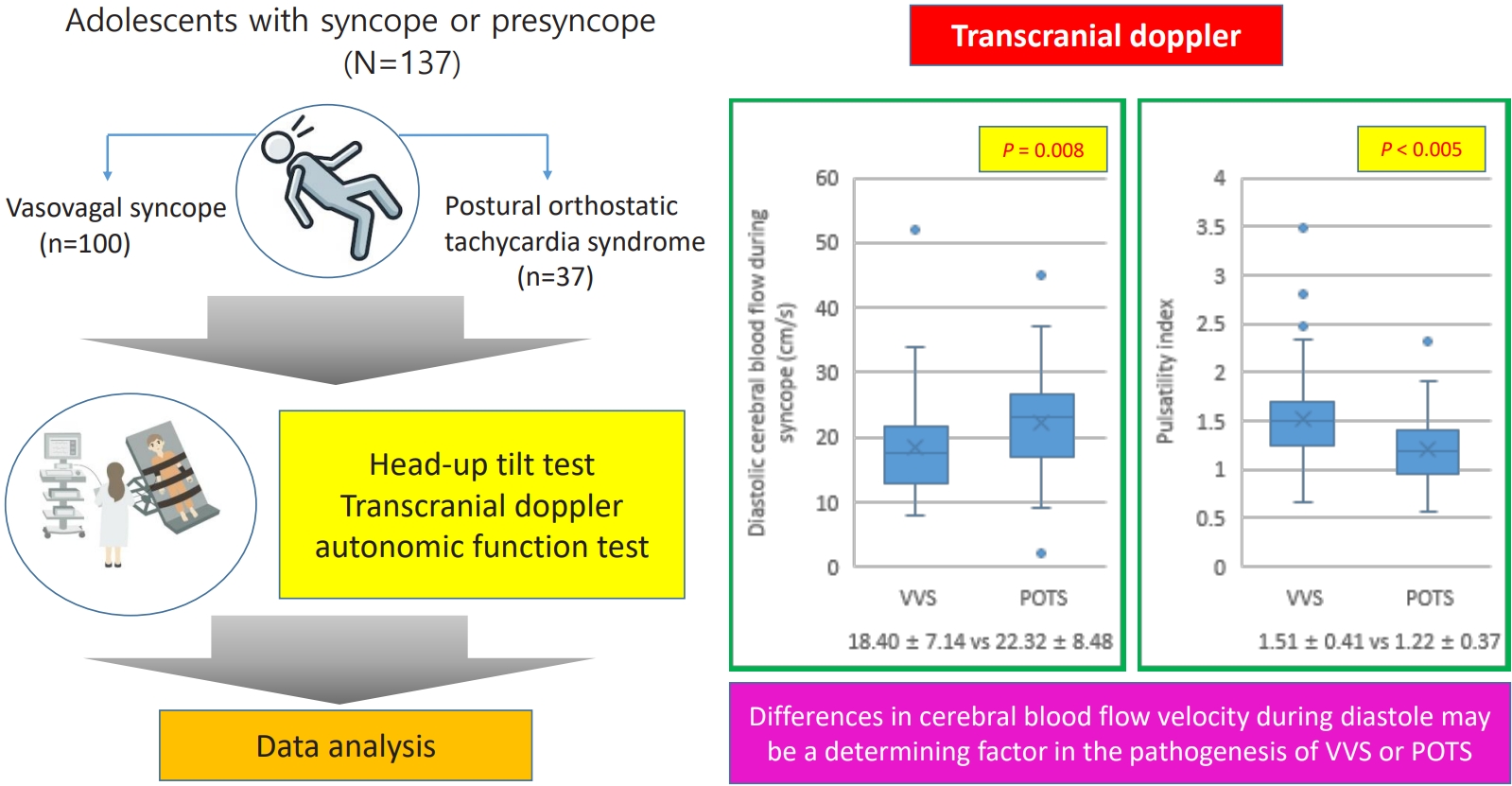
Vasovagal syncope and postural orthostatic tachycardia syndrome in adolescents: transcranial doppler versus autonomic function test results
Dong Won Lee
Clin Exp Pediatr. 2025;68(9):673-679.   Published online August 6, 2025
Question: Vasovagal syncope (VVS) and postural orthostatic tachycardia syndrome (POTS) are representative forms of neurally mediated syncope. What influences the occurrence of each?
Finding: Autonomic function test results did not differ, but cerebral blood flow during diastole on transcranial doppler differed between VVS and POTS.
Meaning: Differences in diastolic cerebral blood flow velocity play an important role in VVS and POTS.
Pulmonology
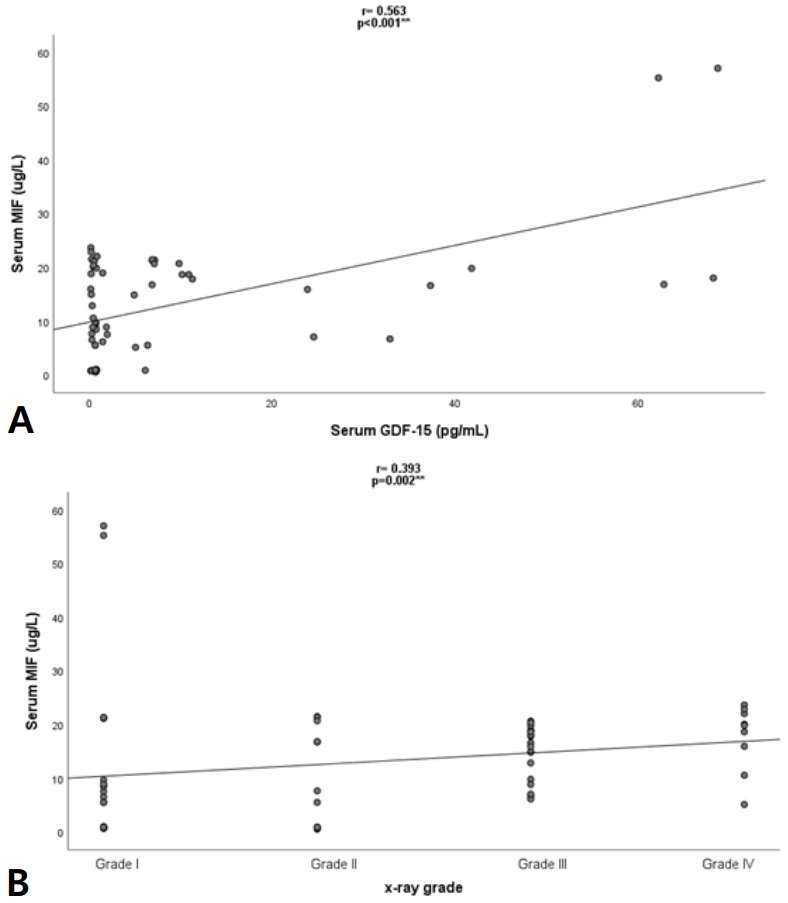
Association of macrophage migration-inhibitory factor gene and growth differentiation factor 15 gene polymorphisms and their circulating levels with respiratory distress syndrome among preterm neonates
Ali Helmi Bakri, Mohammed H. Hassan, Khaled Abdalla Abd-Elbaseer, Mahmoud Abo-Alhassan Sayed, Ahmed Alamir Mahmoud Abdallah, Eman Ahmed Abd-Elmawgood
Clin Exp Pediatr. 2025;68(9):680-689.   Published online April 1, 2025
Question: Do macrophage migration-inhibitory factor (MIF) and growth differentiation factor-15 (GDF-15) levels and their gene polymorphisms affect RDS among preterm babies?
Finding: Significantly higher serum MIF and GDF-15 levels were observed in patients with severe respiratory distress syndrome (RDS). The mutant G- and C-alleles of GDF-15 rs4808793 C>G single nucleotide polymorphism (SNP) and MIF rs755622 G>C SNP were present at significantly higher frequencies in preterm neonates with RDS.
Meaning: MIF and GDF-15 play a significant role in neonatal RDS and its severity.
Hematology
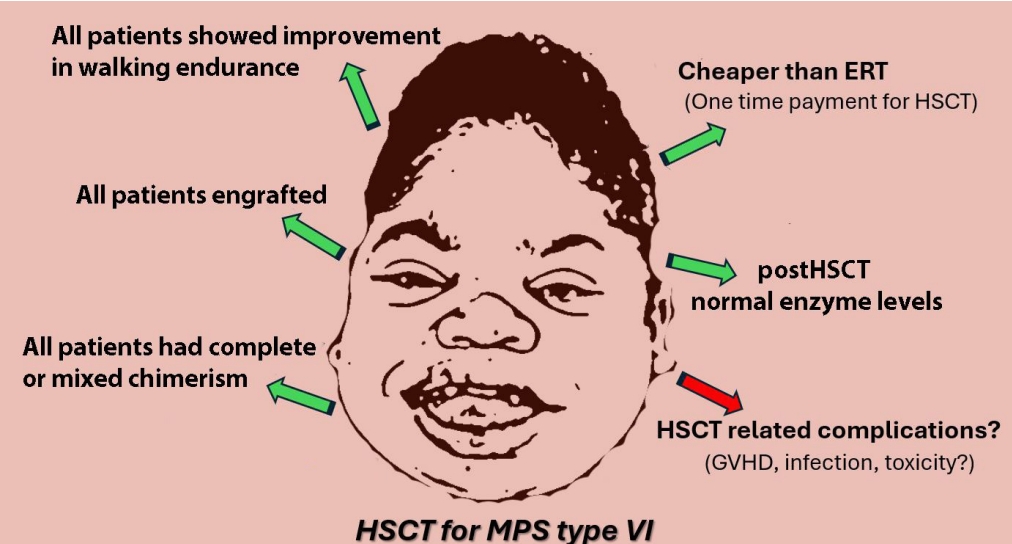
Hematopoietic stem cell transplantation in pediatric patients with type VI mucopolysaccharidosis
Vedat Uygun, Koray Yalçın, Hayriye Daloğlu, Seda Öztürkmen, Suna Çelen, Suleimen Zhumatayev, Gülsün Karasu, Akif Yeşilipek
Clin Exp Pediatr. 2025;68(8):601-607.   Published online March 11, 2025
Question: Could hematopoietic stem cell transplantation (HSCT) be an alternative to enzyme replacement therapy (ERT) for type VI mucopolysaccharidosis (MPS VI)?
Finding: HSCT is generally not offered due to reports of high toxicity and mortality. However, we detected fewer complications and graft-versus-host disease cases and no deaths with HSCT.
Meaning: HSCT is both less expensive than ERT and permanent; thus, it should be considered an alternative treatment for MPS VI.
Review Article
Other
Peripheral nerve sheath tumors in the head and neck in patients with APC gene deletion mutations: a case report and scoping review of the literature
Koral M. Blunt, Monirah Albathi, Miriam Conces, Tendy Chiang
Clin Exp Pediatr. 2025;68(6):428-433.   Published online January 13, 2025
In this report, we describe our experience with a patient with an APC-related genetic syndrome who presented with a rare palatal lesion with characteristics of a schwannoma. We discuss the role of immunohistochemical staining in discerning the differential diagnosis.
Gastroenterology
Anxiety disorders presenting as gastrointestinal symptoms in children – a scoping review
Anjali Kumar, Pramodh Vallabhaneni
Clin Exp Pediatr. 2025;68(5):344-351.   Published online January 13, 2025
A positive bidirectional relationship between gastrointestinal disorders and anxiety, but with no clear aetiology, was identified. Factors such as somatisation and pain catastrophising resulted in poorer pain-related outcomes in children. Further studies are required to understand this relationship in order to have targeted treatments and ensure better long term outcomes.
Original Article
Pulmonology
Polysomnographic features of children with obesity: body mass index predict severe obstructive sleep apnea in obese children?
Rungrat Sukharom, Prakarn Tovichien, Kanokporn Udomittipong, Pinyapach Tiamduangtawan, Wattanachai Chotinaiwattarakul
Clin Exp Pediatr. 2025;68(1):80-90.   Published online November 6, 2024
Question: How Common is obstructive sleep apnea (OSA) in obese children? OSA is common in obese children, even without habitual snoring.
Finding: Among the subjects, 60.6% had positional OSA, 40.2% had rapid eye movement-related OSA, 59.8% had desaturation, 20.5% had sleep-related hypoventilation, and 5.0% had obesity hypoventilation syndrome. Body mass index (BMI) and neck and waist circumferences were significantly associated with severe OSA.
Meaning: We recommend screening obese children (BMI > 29.2 kg/m2) for OSA.
Review Article
Endocrinology
Lifelong medical challenges and immunogenetics of Turner syndrome
Won Kyoung Cho
Clin Exp Pediatr. 2024;67(11):560-568.   Published online July 31, 2024
· This summary emphasizes the importance of the early diagnosis of Turner syndrome (TS) and presents a multidisciplinary approach to its prevention and management, high-lighting the need for customized care.
· Advancements in immunogenetic research may improve our understanding of TS and improve its outcomes.
· TS encompasses a wide array of medical challenges, including cardiovascular, endocrine, autoimmune, and mental health issues, as well as a heightened cancer risk.
General Pediatrics
Metabolic complications of obesity in children and adolescents
Hyunjin Park, Jung Eun Choi, Seunghee Jun, Hyelim Lee, Hae Soon Kim, Hye Ah Lee, Hyesook Park
Clin Exp Pediatr. 2024;67(7):347-355.   Published online November 16, 2023
· Pediatric obesity increases the risk of metabolic complications (insulin resistance, dyslipidemia, nonalcoholic fatty liver disease) and long-term cardiovascular diseases.
· A new obesity definition and various indicators (continuous metabolic syndrome score, pediatric simple metabolic syndrome score, fatty liver index) have been proposed to evaluate children’s susceptibility to metabolic disorders.
· Laboratory and body composition tests in pediatric screenings can identify groups at high risk of metabolic complications of obesity.
Nephrology (Genitourinary)
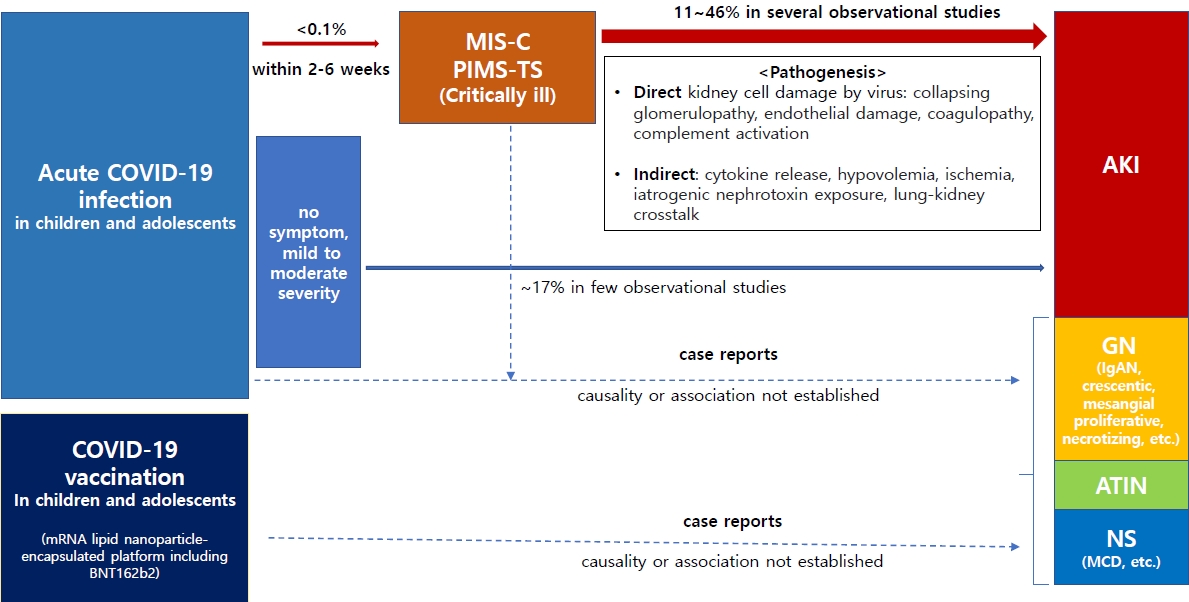
Kidney complications associated with COVID-19 infection and vaccination in children and adolescents: a brief review
Hee Sun Baek, Min Hyun Cho
Clin Exp Pediatr. 2023;66(10):424-431.   Published online June 28, 2023
Several observational studies have shown that acute kidney injury affects up to 46% of children and adolescents who develop severe postinflammatory responses, such as multisystem inflammatory syndrome in childhood, due to coronavirus disease 2019 (COVID-19). Although causality has not been established, some cases of glomerulopathy or nephrotic syndrome occurring after COVID-19 infection or vaccination have been reported. Therefore, kidney complications associated with these conditions in children and adolescents warrant attention.
Pulmonology
Long COVID in children and adolescents: prevalence, clinical manifestations, and management strategies
Eun Kyo Ha, Ju Hee Kim, Man Yong Han
Clin Exp Pediatr. 2023;66(11):465-474.   Published online June 19, 2023
· Current definitions of long coronavirus disease (COVID) in children and adolescents vary in duration, ranging from 4 to 12 weeks or more.
· The clinical spectrum of long COVID in children and adolescents comprises a wide range of symptoms and might be a multisystem disorder.
· Persistent health problems with a prevalence of 1%–66.5% were reported in children and adolescents after COVID-19, with a higher incidence of persistent single or multiple symptoms.
Original Article
Gastroenterology
Relationship between nonalcoholic fatty liver disease and hyperandrogenemia in adolescents with polycystic ovary syndrome
Ozlem Kara, Hanife Aysegul Arsoy, Murat Keskin
Clin Exp Pediatr. 2023;66(9):395-402.   Published online June 14, 2023
Question: Is polycystic ovary syndrome (PCOS) a risk factor for nonalcoholic fatty liver disease (NAFLD) in adolescents?
Finding: The frequency of NAFLD did not increase in adolescents with PCOS. However, hyperandrogenemia was a risk factor for NAFLD.
Meaning: Adolescents with PCOS and hyperandrogenemia should be closely monitored for hepatic steatosis.
Review Article
Infection
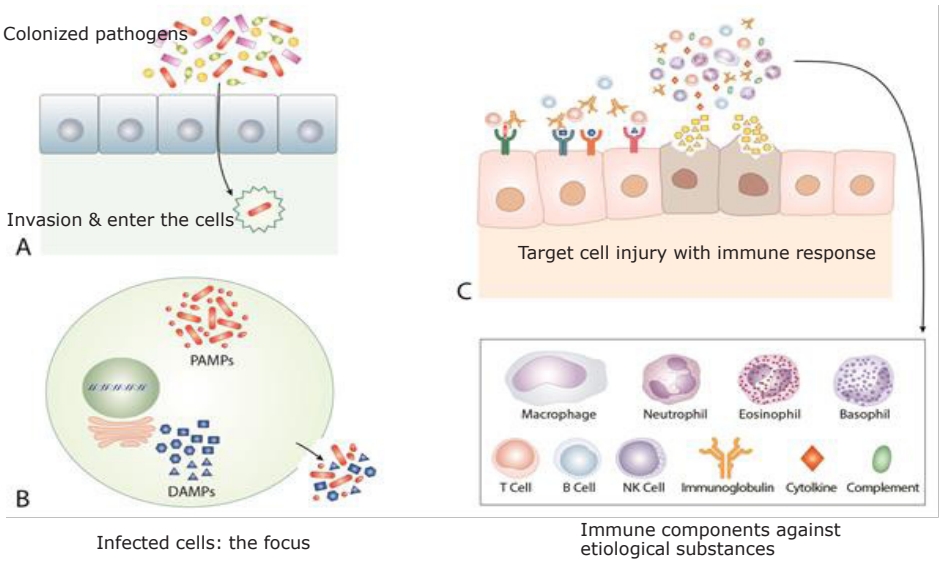
Etiological and pathophysiological enigmas of severe coronavirus disease 2019, multisystem inflammatory syndrome in children, and Kawasaki disease
Jung-Woo Rhim, Jin-Han Kang, Kyung-Yil Lee
Clin Exp Pediatr. 2022;65(4):153-166.   Published online November 23, 2021
· Severe cases of coronavirus disease, Kawasaki disease (KD), and multisystem inflammatory syndrome in children (MIS-C) share similar findings: a protracted clinical course, multiorgan involvement, and similar activated biomarkers.
· Here we propose etiological agents in KD and MIS-C as species in the microbiota and introduce a common pathogenesis through the protein-homeostasis-system hypothesis.
· Early proper dose of corticosteroids and/or intravenous immunoglobulin may help to reduce morbidity and mortality in these diseases.
Original Article
Endocrinology
Effects of probiotics combined with dietary and lifestyle modification on clinical, biochemical, and radiological parameters in obese children with nonalcoholic fatty liver disease/nonalcoholic steatohepatitis: a randomized clinical trial
Thushara Rodrigo, Samaranayake Dulani, Sumudu Nimali Seneviratne, Arjuna P. De Silva, Jerad Fernando, H. Janaka De Silva, Jayasekera , V. Pujitha Wickramasinghe
Clin Exp Pediatr. 2022;65(6):304-311.   Published online November 11, 2021
Question: Could probiotics be used as a therapeutic modality in nonalcoholic fatty liver disease/nonalcoholic steatohepatitis?
Finding: There seem no added advantages over lifestyle modifications compared to Probiotics.
Meaning: There does not seem to be an advantage of probiotics over lifestyle modifications in improving obesity-associated metabolic derangement in children.
Other
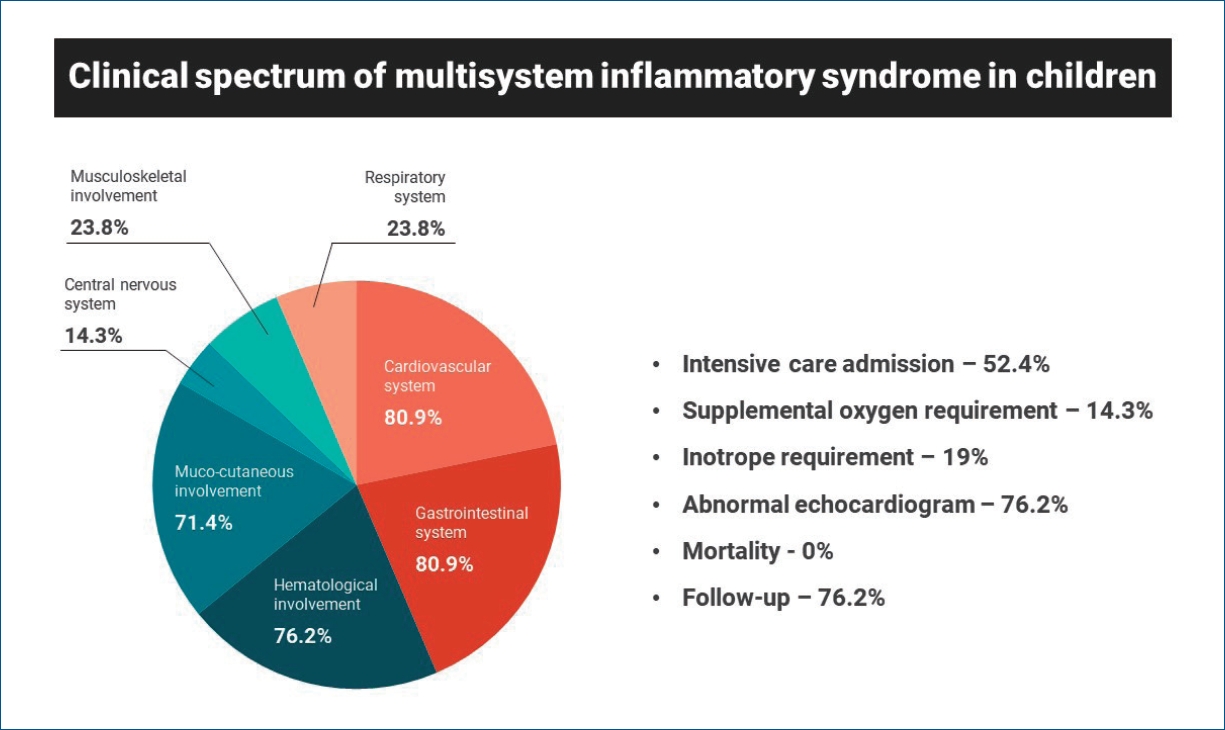
Clinical spectrum and short-term outcomes of multisystem inflammatory syndrome in children in a south Indian hospital
Muruganantham Balagurunathan, Thrilok Natarajan, Jothilakshmi Karthikeyan, Venkateshwaran Palanisamy
Clin Exp Pediatr. 2021;64(10):531-537.   Published online August 4, 2021
Question: What are the clinical spectrum, course, and short-term outcomes of multisystem inflammatory syndrome in children (MIS-C)?
Finding: MIS-C can have variable clinical manifestations. Fever is most common, followed by gastrointestinal and cardiovascular symptoms. Early identification and appropriate management lead to favorable outcomes.
Meaning: MIS-C can present in a myriad of ways and severities. High suspicion is necessary to ensure its early identification and appropriate management and favorable patient outcomes.
Neonatology (Perinatology)
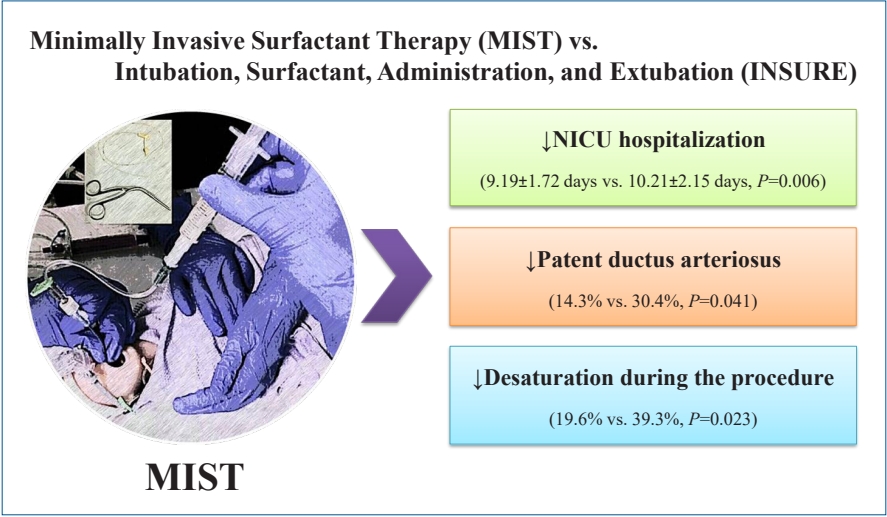
Comparison of minimally invasive surfactant therapy with intubation surfactant administration and extubation for treating preterm infants with respiratory distress syndrome: a randomized clinical trial
Mohammad Kazem Sabzehei, Behnaz Basiri, Maryam Shokouhi, Sajad Ghahremani, Ali Moradi
Clin Exp Pediatr. 2022;65(4):188-193.   Published online July 28, 2021
Question: Are the short-term outcomes of minimally invasive surfactant therapy (MIST) relatively superior to those of INtubation, SURfactant administration, and Extubation (INSURE) in preterm infants with respiratory distress syndrome (RDS)?
Finding: MIST could be an appropriate substitution for INSURE in preterm infants with RDS since it reduced hospitalization time and number of side effects.
Meaning: MIST is recommended for surfactant administration for its proven advantages over the INSURE technique.
Review Article
Hematology
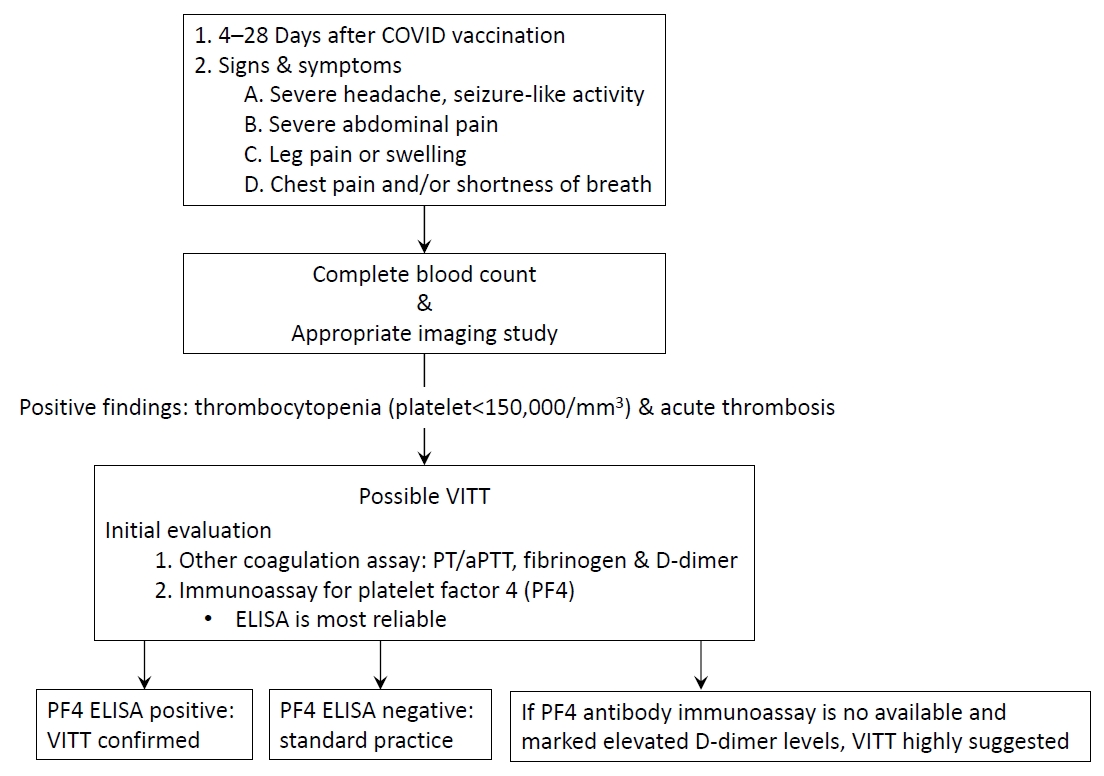
Thrombosis and severe acute respiratory syndrome coronavirus 2 vaccines: vaccine-induced immune thrombotic thrombocytopenia
Young Shil Park
Clin Exp Pediatr. 2021;64(8):400-405.   Published online June 30, 2021
· Thrombosis and thrombocytopenia occurring within 4–28 days after severe acute respiratory syndrome coronavirus 2 vaccination require attention.
· The terms vaccine-induced immune thrombotic thrombocytopenia (VITT) and thrombosis with thrombocytopenia syndrome (TTS) are used.
· VITT is pathogenetically similar to heparin-induced thrombocytopenia.
· VITT/TTS could be associated with the development of platelet-activating anti-platelet factor 4 antibodies.
· For suspected VITT/TTS, early treatment decisions (intravenous immunoglobulin, non-heparin anticoagulant, and avoidance of platelet transfusions) are important.
Original Article
General Pediatrics
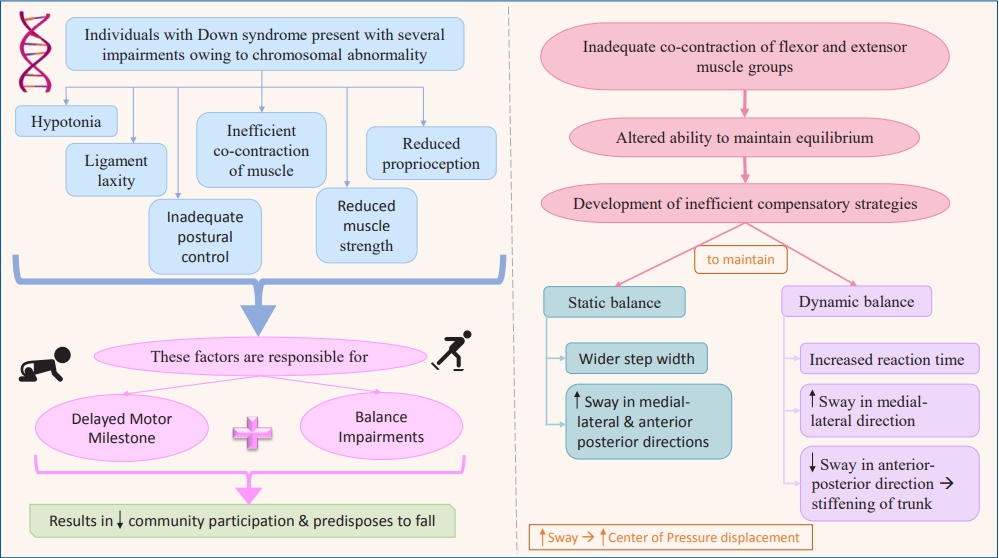
Gross motor dysfunction and balance impairments in children and adolescents with Down syndrome: a systematic review
Preyal D. Jain, Akshatha Nayak, Shreekanth D. Karnad, Kaiorisa N. Doctor
Clin Exp Pediatr. 2022;65(3):142-149.   Published online June 11, 2021
Question: What are the primary motor and balance dysfunctions in children with Down syndrome?
Finding: These individuals have gross delays, altered balance, and inefficient compensatory mechanisms.
Meaning: Neuromuscular and musculoskeletal impairments due to the chromosomal abnormality lead to developmental delay. These children also exhibit poor balance with greater instability and inefficient compensatory mechanisms including altered center of pressure displacement and trunk stiffening that predisposes them to falls.
Endocrinology
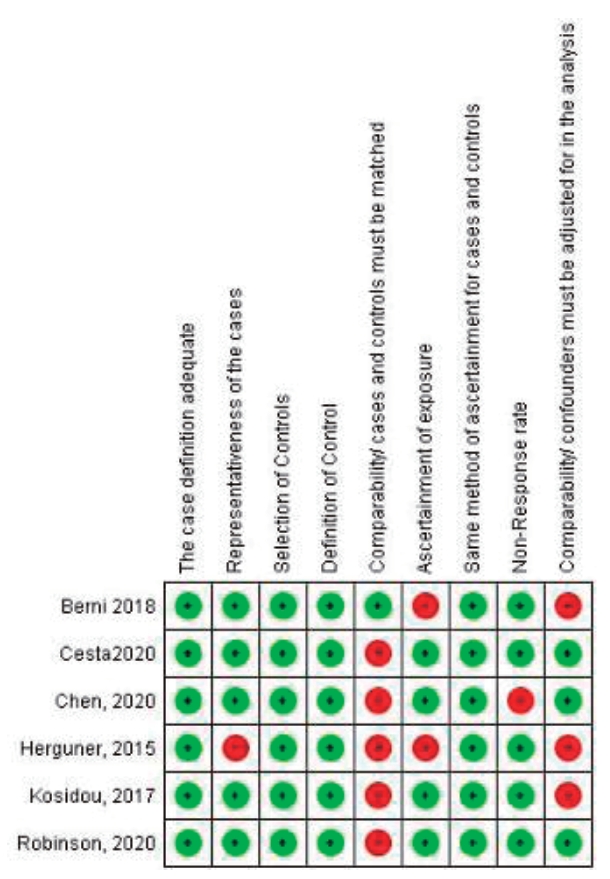
Association between polycystic ovary syndrome and risk of attention-deficit/hyperactivity disorder in offspring: a meta-analysis
Azam Maleki, Saeid Bashirian, Ali Reza Soltanian, Ensiyeh Jenabi, Abdollah Farhadinasab
Clin Exp Pediatr. 2022;65(2):85-89.   Published online April 15, 2021
Question: Have polycystic ovary syndrome (PCOS) increased risk of having an offspring with attention-deficit/hyperactivity disorder (ADHD)?
Finding: Six articles (3 cohort and 3 case-control studies; 401,413 total ADHD cases) met the study criteria. Maternal PCOS was associated with an increased risk of ADHD in the offspring based on odds ratio (OR) and relative ratio (RR) (OR, 1.42; 95% confidence interval [CI], 1.27–1.57) and (RR, 1.43; 95% CI, 1.35–1.51), respectively.
Meaning: Our study showed that maternal PCOS is a risk factor for ADHD.
Review Article
Immunology
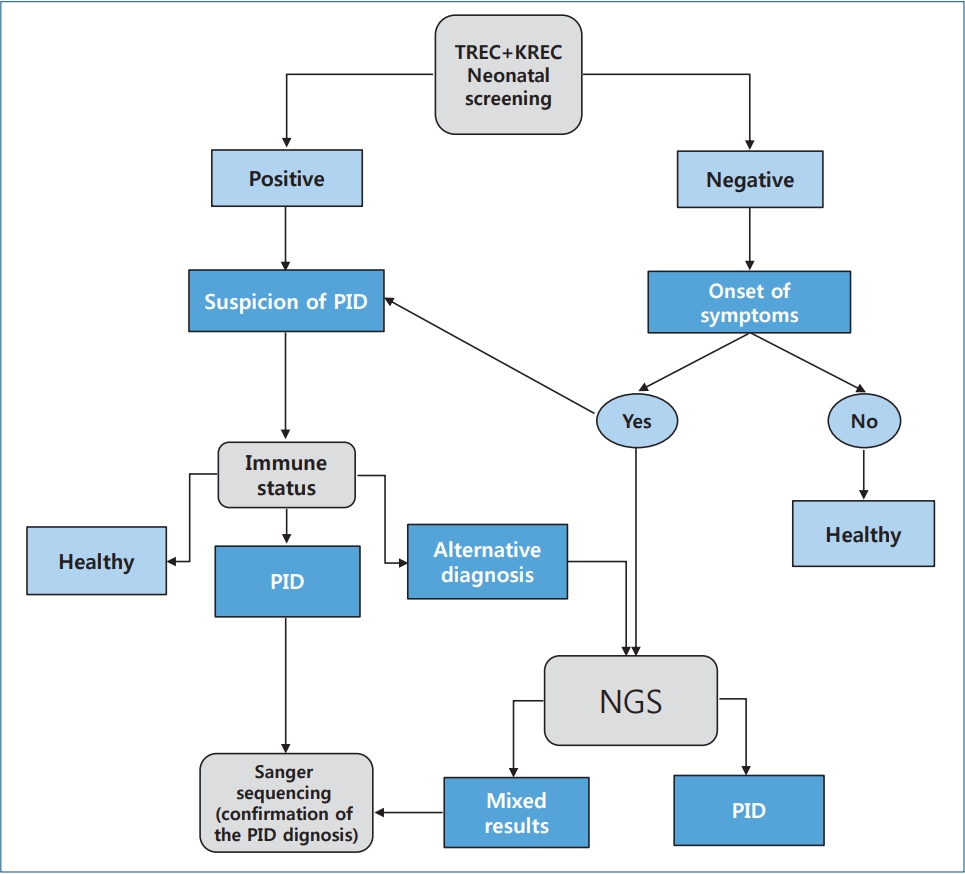
Modern diagnostic capabilities of neonatal screening for primary immunodeficiencies in newborns
Evgenia Olegovna Khalturina, Natalia Dmitrievna Degtyareva, Anastasiia Vasi’evna Bairashevskaia, Alena Valerievna Mulenkova, Anna Vladimirovna Degtyareva
Clin Exp Pediatr. 2021;64(10):504-510.   Published online March 25, 2021
· Neonatal screening for primary immunodeficiency diseases (PIDs) enables early diagnosis and subsequent initiation of therapy.
· Excision of T-cell receptors and kappa-recombination excision circles are cheaper alternative PID screening methods.
· Sanger DNA sequencing remains the reference method for detecting PID; however, next-generation sequencing technology is increasingly used to diagnose it.
· Here we developed a graphical algorithm for diagnosing primary immunodeficiency syndrome based on modern methods of screening for primary immunodeficiencies in newborns.
General Pediatrics
Clinical features, diagnosis, and outcomes of multisystem inflammatory syndrome in children associated with coronavirus disease 2019
Ji Hee Kwak, Soo-Young Lee, Jong-Woon Choi; the Korean Society of Kawasaki Disease
Clin Exp Pediatr. 2021;64(2):68-75.   Published online December 30, 2020
Hundreds of cases of children and adolescents with hyperinflammatory responses such as Kawasaki disease have been reported amid the coronavirus disease 2019 (COVID-19) pandemic, leading to coining of the new term COVID-19–associated multisystem inflammatory syndrome in children. In this review article, we introduce the illness and describe its case definitions, epidemiology, pathogenesis, clinical features, treatments, and outcomes.
Original Article
Nephrology (Genitourinary)
Expression profiling of cultured podocytes exposed to nephrotic plasma reveals intrinsic molecular signatures of nephrotic syndrome
Stuti Panigrahi, Varsha Chhotusing Pardeshi, Karthikeyan Chandrasekaran, Karthik Neelakandan, Hari PS, Anil Vasudevan
Clin Exp Pediatr. 2021;64(7):355-363.   Published online November 1, 2020
Question: Is it possible to classify nephrotic syndrome (NS) through gene expression profiling of podocytes exposed to NS plasma?
Finding: Our data showed different expression profiles in podocytes exposed to nephrotic plasma from different clinical groups, suggesting the molecular stratification of patients into intrinsic subtypes.
Meaning: Transcriptome profiling of podocytes treated with NS plasma can stratify patients into intrinsic subtypes and provide insight into the molecular mechanisms of podocyte injury.
Review Article
Hematology
Genetic classification and confirmation of inherited platelet disorders: current status in Korea
Ye Jee Shim
Clin Exp Pediatr. 2020;63(3):79-87.   Published online February 6, 2020
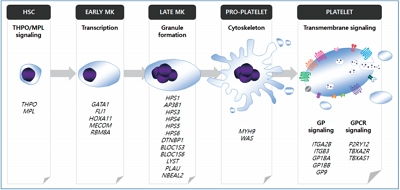
Inherited platelet disorders (IPDs), which manifest as primary hemostasis defects, often underlie abnormal bleeding and a family history of thrombocytopenia, bone marrow failure, hematologic malignancies, undefined mucocutaneous bleeding disorder, or congenital bony defects. Wide heterogeneity in IPD types with regard to the presence or absence of thrombocytopenia, platelet dysfunction, bone marrow failure, and dysmegakaryopoiesis is observed in patients. The individual...
Original Article
General Pediatrics
Prevalence of hyperuricemia and its association with metabolic syndrome and cardiometabolic risk factors in Korean children and adolescents: analysis based on the 2016–2017 Korea National Health and Nutrition Examination Survey
Jung Hyun Lee
Clin Exp Pediatr. 2019;62(8):317-323.   Published online June 24, 2019

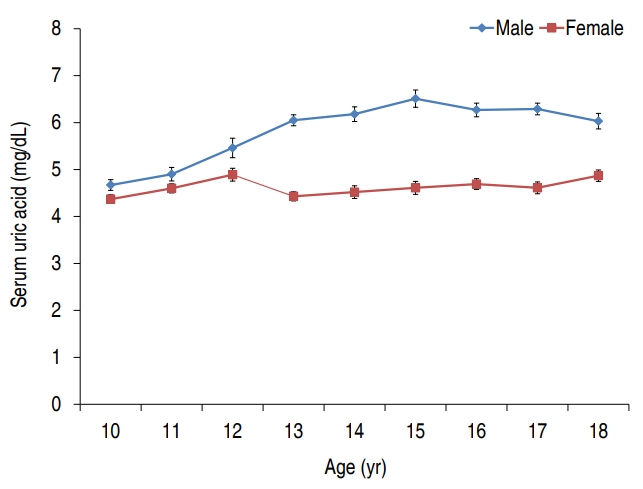
Purpose: Investigating the prevalence of hyperuricemia and its association with metabolic syndrome (MetS) and cardiometabolic risk factors (CMRFs) in Korean children and adolescents. Methods: This cross-sectional survey used data from the 7th Korea National Health and Nutrition Examination Survey (2016–2017); 1,256 males and females aged 10–18 years were included. Hyperuricemia was defined as serum uric acid levels were >6.6 mg/dL at...
Review Article
Neonatology (Perinatology)
Surfactant preparations for preterm infants with respiratory distress syndrome: past, present, and future
Ga Won Jeon
Clin Exp Pediatr. 2019;62(5):155-161.   Published online February 8, 2019
Following the first successful trial of surfactant replacement therapy for preterm infants with respiratory distress syndrome (RDS) by Fujiwara in 1980, several animal-derived natural surfactants and synthetic surfactants have been developed. Synthetic surfactants were designed to overcome limitations of natural surfactants such as cost, immune reactions, and infections elicited by animal proteins contained in natural surfactants. However, first-generation synthetic surfactants...


TOPICS

Browse all articles >

ARTICLE CATEGORY

Browse all articles >

BROWSE ARTICLES
FOR CONTRIBUTORS
ABOUT
Editorial Office
Korean Pediatric Society
#1606 Seocho World Officetel, 19 Seoun-ro, Seocho-ku, Seoul 06732, Korea
Tel: +82-2-3473-7306    Fax: +82-2-3473-7307    E-mail: office@e-cep.org                

Clinical and Experimental Pediatrics is an open access journal. All articles are distributed under the terms of the Creative Commons Attribution NonCommercial License (http://creativecommons.org/licenses/by-nc/4.0/)

Copyright © 2026 by Korean Pediatric Society.      Developed in M2PI