
- Original Article
- Endocrinology
- Changes of the growth plate in children: 3-dimensional magnetic resonance imaging analysis
- Hyung Ho Yun, Hyun-Jung Kim, Min-Sun Jeong, Yun-Sun Choi, Ji-Young Seo
- Clin Exp Pediatr. 2018;61(7):226-230. Published online July 15, 2018
-
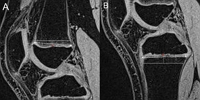
Purpose: This pilot study assessed changes in the growth plate and growth rates in children during a 6-month period. Methods: The study included 31 healthy children (17 boys, 14 girls) under evaluation for growth retardation. Height, weight, bone age, insulin like growth factor-1 (IGF-1), and insulin like growth factor binding protein 3 (IGF-BP3) were measured at baseline and after 6 months....
- Final height of Korean patients with early treated congenital hypothyroidism
- Jiyun Lee, Jeongho Lee, Dong Hwan Lee
- Clin Exp Pediatr. 2018;61(7):221-225. Published online July 15, 2018
-
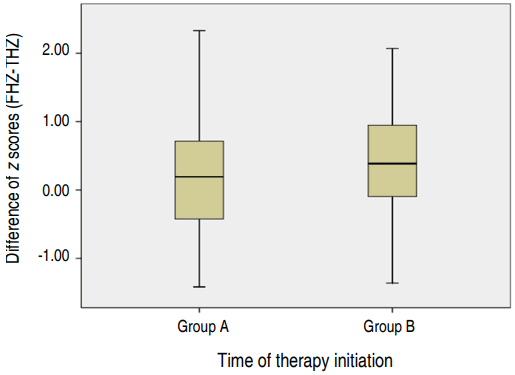
Purpose: Congenital hypothyroidism (CH) is the most common endocrine disorder in children. Thyroid hormone deprivation results not only in mental retardation but also growth retardation. This study investigates the final height (FH) in Korean patients with CH detected by newborn screening and examines factors that may affect the FH. Methods: The medical records of Korean CH patients (n=45) were reviewed. The...
- Autoimmunity and intestinal colonization by Candida albicans in patients with type 1 diabetes at the time of the diagnosis
- Semra Gürsoy, Tuba Koçkar, Sezen Ugan Atik, Zerrin Önal, Hasan Önal, Erdal Adal
- Clin Exp Pediatr. 2018;61(7):217-220. Published online July 15, 2018
-
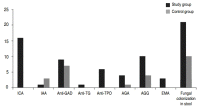
Purpose: Type 1 diabetes mellitus (T1DM) is a chronic and immune-mediated disease, which is characterized by the progressive destruction of pancreatic beta cells. T1DM precipitates in genetically susceptible individuals through environmental factors. In this study, we aimed to evaluate the impact of autoimmunity and intestinal colonization of Candida albicans on the development of T1DM. Methods: Forty-two patients newly diagnosed with T1DM...
- The association of total blood mercury levels and overweight among Korean adolescents: analysis of the Korean National Health and Nutrition Examination Survey (KNHANES) 2010–2013
- Yi-Yeon Shin, In-Kyung Ryu, Mi-Jung Park, Shin-Hye Kim
- Clin Exp Pediatr. 2018;61(4):121-128. Published online April 23, 2018
-
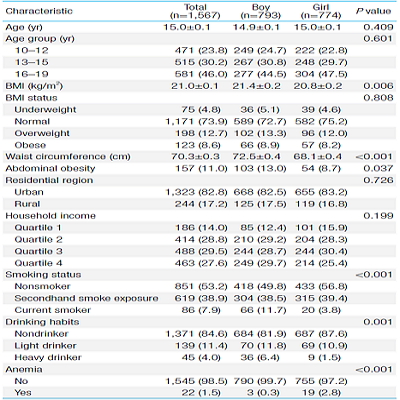
Purpose Obesity has been associated with higher total blood mercury levels, based on animal studies; however, studies that focus on children and adolescents are lacking. We aimed to assess the association between total blood mercury levels and the incidence of overweight and abdominal obesity in Korean adolescents.
Methods The study population comprised 1,567 adolescents (793 boys and 774 girls; aged 10–19 years), who...
- The effect of low-dose intravenous bisphosphonate treatment on osteoporosis in children with quadriplegic cerebral palsy
- Soon Jeong Moon, Young Min An, Soon Ki Kim, Young Se Kwon, Ji Eun Lee
- Clin Exp Pediatr. 2017;60(12):403-407. Published online December 22, 2017
-

Purpose Quadriplegic children with cerebral palsy are more susceptible to osteoporosis because of various risk factors that interfere with bone metabolism. Pamidronate is effective for pediatric osteoporosis, but there are no guidelines for optimal dosage or duration of treatment in quadriplegic children with osteoporosis. We aimed to evaluate the efficacy of low-dose pamidronate treatment in these patients.
Methods Ten quadriplegic patients on antiepileptic...
- The influence of gonadotropin-releasing hormone agonists on anthropometric change in girls with central precocious puberty
- Jong Wan Yoon, Hyun A Park, Jieun Lee, Jae Hyun Kim
- Clin Exp Pediatr. 2017;60(12):395-402. Published online December 22, 2017
-
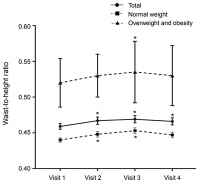
Purpose The potential effect of gonadotropin-releasing hormone agonist (GnRHa) treatment on the weight of girls with central precocious puberty (CPP) remains a controversy. We investigated anthropometric changes during and after GnRHa treatment among girls with CPP.
Methods This retrospective study evaluated data from 127 girls with CPP who received GnRHa treatment for ≥2 years. Height, weight, and body mass index (BMI) values were...
- Screening of
SHOX gene sequence variants in Saudi Arabian children with idiopathic short stature - Abdulla A. Alharthi, Ehab I. El-Hallous, Iman M. Talaat, Hamed A. Alghamdi, Matar I. Almalki, Ahmed Gaber
- Clin Exp Pediatr. 2017;60(10):327-332. Published online October 20, 2017
-
Purpose Short stature affects approximately 2%–3% of children, representing one of the most frequent disorders for which clinical attention is sought during childhood. Despite assumed genetic heterogeneity, mutations or deletions in the short stature homeobox-containing gene (
SHOX ) are frequently detected in subjects with short stature. Idiopathic short stature (ISS) refers to patients with short stature for various unknown reasons. The goal...
- The serum level of 25-hydroxyvitamin D for maximal suppression of parathyroid hormone in children: the relationship between 25-hydroxyvitamin D and parathyroid hormone
- Jung In Kang, Yoon Suk Lee, Ye Jin Han, Kyoung Ae Kong, Hae Soon Kim
- Clin Exp Pediatr. 2017;60(2):45-49. Published online February 27, 2017
-
Purpose Serum level of 25-hydroxyvitamin D (25-OHD) is considered as the most appropriate marker of vitamin D status. However, only a few studies have investigated the relationship between 25-OHD and parathyroid hormone (PTH) in children. To this end, this study was aimed at evaluating the lowest 25-OHD level that suppresses the production of parathyroid hormone in children.
Methods A retrospective record review was...
- Review Article
- Endocrinology
- Management issues of congenital adrenal hyperplasia during the transition from pediatric to adult care
- Jin-Ho Choi, Han-Wook Yoo
- Clin Exp Pediatr. 2017;60(2):31-37. Published online February 27, 2017
-
Steroid 21-hydroxylase deficiency is the most prevalent form of congenital adrenal hyperplasia (CAH), accounting for approximately 95% of cases. With the advent of newborn screening and hormone replacement therapy, most children with CAH survive into adulthood. Adolescents and adults with CAH experience a number of complications, including short stature, obesity, infertility, tumor, osteoporosis, and reduced quality of life. Transition from...
- Waist-to-height ratio as a screening tool for obesity and cardiometabolic risk
- Eun-Gyong Yoo
- Clin Exp Pediatr. 2016;59(11):425-431. Published online November 18, 2016
-
The waist-to-height ratio (WHtR), calculated by dividing the waist circumference (WC) by height, has recently gained attention as an anthropometric index for central adiposity. It is an easy-to-use and less age-dependent index to identify individuals with increased cardiometabolic risk. A WHtR cutoff of 0.5 can be used in different sex and ethnic groups and is generally accepted as a universal...
- Case Report
- Endocrinology
- Hashimoto thyroiditis with an unusual presentation of cardiac tamponade in Noonan syndrome
- Mi Ji Lee, Byung Young Kim, Jae Sook Ma, Young Earl Choi, Young Ok Kim, Hwa Jin Cho, Chan Jong Kim
- Clin Exp Pediatr. 2016;59(Suppl 1):S112-S115. Published online November 30, 2016
-
Noonan syndrome is an autosomal dominant, multisystem disorder. Autoimmune thyroiditis with hypothyroidism is an infrequent feature in patients with Noonan syndrome. A 16-year-old boy was admitted because of chest discomfort and dyspnea; an echocardiogram revealed pericardial effusion. Additional investigations led to a diagnosis of severe hypothyroidism due to Hashimoto thyroiditis. The patient was treated with L-thyroxine at 0.15 mg daily....
- Concomitant occurrence of Turner syndrome and growth hormone deficiency
- Jung Yu, Ha Young Shin, Chong Guk Lee, Jae Hyun Kim
- Clin Exp Pediatr. 2016;59(Suppl 1):S121-S124. Published online November 30, 2016
-
Turner syndrome (TS) is a genetic disorder in phenotypic females that has characteristic physical features and presents as partial or complete absence of the second sex chromosome. Growth hormone deficiency (GHD) is a condition caused by insufficient release of growth hormone from the pituitary gland. The concomitant occurrence of TS and GHD is rare and has not yet been reported...
- A novel mutation of
ABCC8 gene in a patient with diazoxide-unresponsive congenital hyperinsulinism - Ji Sook Park, Hong-Jun Lee, Chan-Hoo Park
- Clin Exp Pediatr. 2016;59(Suppl 1):S116-S120. Published online November 30, 2016
-
Congenital hyperinsulinism (CHI) is a rare condition that can cause irreversible brain damage during the neonatal period owing to the associated hypoglycemia. Hypoglycemia in CHI occurs secondary to the dysregulation of insulin secretion. CHI has been established as a genetic disorder of islet-cell hyperplasia, associated with a mutation of the
ABCC8 orKCNJ11 genes, which encode the sulfonylurea receptor 1...
- Phelan-McDermid syndrome presenting with developmental delays and facial dysmorphisms
- Yoon-Myung Kim, In-Hee Choi, Jun Suk Kim, Ja Hye Kim, Ja Hyang Cho, Beom Hee Lee, Gu-Hwan Kim, Jin-Ho Choi, Eul-Ju Seo, Han-Wook Yoo
- Clin Exp Pediatr. 2016;59(Suppl 1):S25-S28. Published online November 30, 2016
-
Phelan-McDermid syndrome is a rare genetic disorder caused by the terminal or interstitial deletion of the chromosome 22q13.3. Patients with this syndrome usually have global developmental delay, hypotonia, and speech delays. Several putative genes such as the
SHANK3 ,RAB ,RABL2B , andIB2 are responsible for the neurological features. This study describes the clinical features and outcomes of Korean patients with...
- Review Article
- Endocrinology
- Effects of early menarche on physical and psychosocial health problems in adolescent girls and adult women
- Jae-Ho Yoo
- Clin Exp Pediatr. 2016;59(9):355-361. Published online September 21, 2016
-
The menarcheal age of Korean women has been rapidly decreasing for the last 50 years, and the average menarcheal age of women born in the 1990s is approaching 12.6 years. In addition, interest in early puberty has been increasing recently owing to the rapid increase in precocious puberty. Generally, out of concern for short stature and early menarche, idiopathic central...
- Original Article
- Endocrinology
- Lipopolysaccharide-binding protein plasma levels as a biomarker of obesity-related insulin resistance in adolescents
- Ki Eun Kim, Young Sun Cho, Kyung Suk Baek, Lan Li, Kwang-Hyun Baek, Jung Hyun Kim, Ho-Seong Kim, Youn Ho Sheen
- Clin Exp Pediatr. 2016;59(5):231-238. Published online May 31, 2016
-
Purpose Lipopolysaccharide-binding protein (LBP) is a 65-kDa acute phase protein, derived from the liver, which is present in high concentrations in plasma. Data regarding the association between circulating plasma LBP levels and obesity-related biomarkers in the pediatric population are scarce. We aimed to determine whether there was a difference in plasma LBP levels between overweight/obese and normal-weight adolescents and to assess...
- Impact of lifestyle factors on trends in lipid profiles among Korean adolescents: the Korea National Health and Nutrition Examination Surveys study, 1998 and 2010
- Shin-Hye Kim, Young-Hwan Song, Sangshin Park, Mi-Jung Park
- Clin Exp Pediatr. 2016;59(2):65-73. Published online February 29, 2016
-
Purpose Only a few studies have explored nationwide trends in lipid profiles among Asian adolescents. We aimed to assess trends in lipid profiles and the associated lifestyle factors among Korean children.
Methods We analyzed data for 2,094 adolescents who were aged 10–18 years and had participated in the Korea National Health and Nutrition Examination Surveys in 1998 and 2010.
Results During 1998–2010, the prevalence of...
- Review Article
- Endocrinology
- Catch-up growth and catch-up fat in children born small for gestational age
- Won Kyoung Cho, Byung-Kyu Suh
- Clin Exp Pediatr. 2016;59(1):1-7. Published online January 22, 2016
-
Infants born small for gestational age (SGA) are at increased risk of perinatal morbidity, persistent short stature, and metabolic alterations in later life. Recent studies have focused on the association between birth weight (BW) and later body composition. Some reports suggest that fetal nutrition, as reflected by BW, may have an inverse programing effect on abdominal adiposity later in life....