- Editorial
- Endocrinology
- Pediatricians must consider familial environment when diagnosing and managing childhood obesity
- Young Suk Shim
- Clin Exp Pediatr. 2022;65(1):31-32. Published online April 19, 2021
-
•The prevalence of childhood obesity is increasing worldwide, including in the Republic of Korea, creating a major public healthissue.
•Accumulated evidence indicates a strong relationship between parentalandchildobesity.
•A family-based approach is indicated to prevent and manage childhoodandadultobesity.
- Pediatric obesity: life cycle approach of pediatrician and society
- Yong Hee Hong
- Clin Exp Pediatr. 2022;65(1):29-30. Published online December 28, 2021
-
• With the emerging epidemic of pediatric obesity, many endocrine comorbidities classically seen in adulthood are surfacing much earlier in life.
• Appropriate obesity counseling and education should be provided from infancy to adolescence.
• Managing pediatric obesity may require school and society involvement.
- Review Article
- Endocrinology
- Endocrine comorbidities of pediatric obesity
- Jieun Lee, Jae Hyun Kim
- Clin Exp Pediatr. 2021;64(12):619-627. Published online August 26, 2021
-
∙ Pediatric obesity can involve endocrine comorbidities such as prediabetes, type 2 diabetes, dyslipidemia, metabolic syndrome, polycystic ovary syndrome, and central precocious puberty.
∙ Prediabetes and type 2 diabetes in youth aged 10–19 years had a prevalence of 25.9% and 0.6% in 2013–2014, respectively.
∙ Dyslipidemia in Korean adolescents aged 10–18 years had a prevalence of 7.64% (total cholesterol ≥200 mg/dL), 6.09% (low-density lipoprotein cholesterol ≥130 mg/dL), 8.69% (triglyceride ≥150 mg/dL), and 12.52% (high-density lipoprotein cholesterol ≤40 mg/dL) in 2007–2018.
∙ Metabolic syndrome in Korean youth has a prevalence of 1.9%–14.7% in males and 1.7%–12.6% in females with wide variation in definitions.
∙ Appropriate comorbidity screening and management and/or specialist referral are necessary for obese children and adolescents.
- Original Article
- Endocrinology
- Correlation between total air pollutant emissions and incidence of type 1 diabetes in the Russian Federation
- Hoon Sung Choi, Jin Taek Kim, Ji-Young Seo, Faina Linkov, Evgeniy Shubnikov, Hong Kyu Lee
- Clin Exp Pediatr. 2021;64(10):525-530. Published online January 18, 2021
-
Question: Is there a quantitative relationship between air pollutant emissions and the incidence of type 1 diabetes (T1D)?
Finding: The incidence of T1D in each region of the Russian Federation correlated with the total air pollutants emitted each year.
Meaning: These findings suggest that air pollution contributes to the development of T1D.
- Editorial
- Endocrinology
- Ambient air pollution and pediatric diabetes
- Jae Hyun Kim
- Clin Exp Pediatr. 2021;64(10):523-534. Published online March 12, 2021
-
· Epidemiological studies have shown that ambient air pollution is associated with diabetes mellitus in children and adults.
· The mechanism of ambient air pollution causing diabetes mellitus is unclear.
· A study of the association between diabetes and air pollution in Korean pediatric populations is required.
- Review Article
- Endocrinology
- Early menarche and its consequence in Korean female: reducing fructose intake could be one solution
- Ji Hyun Kim, Jung Sub Lim
- Clin Exp Pediatr. 2021;64(1):12-20. Published online May 14, 2020
-
In Korea, the average age of menarche has declined sharply. Early menarche is associated with psychosocial and behavioral problems and cardiometabolic disease. Excess fructose intake has been suggested as one cause of early menarche in recent studies, so reducing fructose intake may be one solution.
- Guideline
- Endocrinology
- 2017 Clinical practice guidelines for dyslipidemia of Korean children and adolescents
- Jung Sub Lim, Eun Young Kim, Jae Hyun Kim, Jae-Ho Yoo, Kyung Hee Yi, Hyun Wook Chae, Jin-Ho Choi, Ji Young Kim, Il Tae Hwang; the Committee of Dyslipidemia of Korean Children and Adolescents on behalf of Korean Society of Pediatric Endocrinology (KSPE)
- Clin Exp Pediatr. 2020;63(12):454-462. Published online November 25, 2020
-
Question: How are children and adolescents with dyslipidemia treated and managed in Korea?
Finding: 2017 guidelines recommend to measure nonfasting non-HDL-C as a screening test and introduce new diet methods: Cardiovascular Health Integrated Lifestyle Diet (CHILD)-1, CHILD-2-low-density lipoprotein cholesterol, and CHILD-2-triglyceride. Statin is the only drug approved in children older than 10 years.
Meaning: New clinical practice guidelines for treating and managing dyslipidemia of Korean children and adolescents are provided.
- Original Article
- Endocrinology
- Zinc transporter 8 autoantibody in the diagnosis of type 1 diabetes in children
- Nur Rochmah, Muhammad Faizi, Siti Wahyu Windarti
- Clin Exp Pediatr. 2020;63(10):402-405. Published online October 6, 2020
-
Question: Can zinc transporter 8 autoantibody (ZnT8A) be used for diagnosing type 1 diabetes (T1D)?
Finding: Twenty-two of 30 subjects with type 1 diabetes (73.3 %) were positive for ZnT8A compared to 5 of 18 controls (27.8%).
Meaning: ZnT8A has potential for clinical applications in the diagnosis of T1D.
- Review Article
- Endocrinology
- Air pollution and childhood obesity
- Moon Young Seo, Shin-Hye Kim, Mi Jung Park
- Clin Exp Pediatr. 2020;63(10):382-388. Published online March 27, 2020
-
Questions: What are the possible effects of air pollution on the occurrence of childhood obesity and what are the mechanisms?
Finding: Epidemiologic studies suggest that air pollutants might act as obesogens in the pediatric population, and their possible mechanisms include oxidative stress, physical inactivity, and epigenetic modulation.
Meaning: This paper reviews updated information on air pollution, one of the modifiable environmental factors in childhood obesity.
- Original Article
- Endocrinology
- Effect of agricultural pesticide on precocious puberty in urban children: an exploratory study
- Junghwan Suh, Han Saem Choi, Ahreum Kwon, Hyun Wook Chae, Ho-Seong Kim
- Clin Exp Pediatr. 2020;63(4):146-150. Published online December 6, 2019
-
Question: Does agricultural pesticide effect precocious puberty in girls?
Finding: Dinotefuran, an insecticide of neonicotinoid class, was detected in one of 30 patients with precocious puberty, and in 2 girls of the normal control group, which was not statistically significant.
Meaning: There was no close relationship between agricultural pesticides and development of precocious puberty.
- Influence of subclinical hypothyroidism on metabolic parameters in obese children and adolescents
- Ozlem Kara
- Clin Exp Pediatr. 2020;63(3):110-114. Published online March 6, 2020
-
Question: Does subclinical hypothyroidism in obese children and adolescents affect metabolic parameters?
Finding: Insulin, HOMA-IR, and TG levels were higher and the HDL-C level was lower in patients with SH.
Meaning: A clear association is observed between SH, and insulin resistance and dyslipidemia in obese children. It can be said that the TSH may be evaluated as a metabolic risk factor in obese patients.
- Lipid accumulation product is a predictor of nonalcoholic fatty liver disease in childhood obesity
- Bahar Özcabı, Salih Demirhan, Mesut Akyol, Hatice Öztürkmen Akay, Ayla Güven
- Clin Exp Pediatr. 2019;62(12):450-455. Published online October 28, 2019
-
Background: Lipid accumulation product (LAP) is associated with the presence and severity of nonalcoholic fatty liver disease (NAFLD) in adults.
Purpose: Here we evaluated the ability of LAP to predict NAFLD in obese children. Methods: Eighty obese children (38 girls; age 6–18 years) were included. Anthropometric measurements and biochemical values were obtained from the patients’ medical records. LAP was calculated as [waist...
- Editorial
- Endocrinology
- Correlation between genetic heterogeneity and variability for response to growth hormone in Noonan syndrome
- Young-Lim Shin
- Clin Exp Pediatr. 2019;62(11):412-413. Published online July 9, 2019
-
- Original Article
- Endocrinology
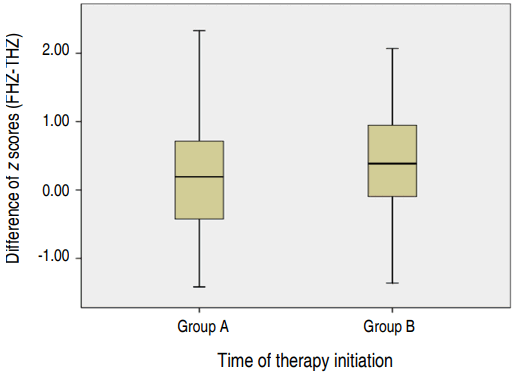
- Comparison of effectiveness of growth hormone therapy according to disease-causing genes in children with Noonan syndrome
- Kyo Jin Jo, Yoo Mi Kim, Ju Young Yoon, Yeoun Joo Lee, Young Mi Han, Han-Wook Yoo, Hyang-Sook Kim, Chong Kun Cheon
- Clin Exp Pediatr. 2019;62(7):274-280. Published online December 3, 2018
-
Purpose: To analyze the growth response to growth hormone (GH) therapy in prepubertal patients with Noonan syndrome (NS) harboring different genetic mutations. Methods: Twenty-three patients with prepubertal NS treated at Pusan National University Children’s Hospital between March 2009 and July 2017 were enrolled. According to the disease-causing genes identified, the patients with NS were divided into 4 groups. Three groups were...
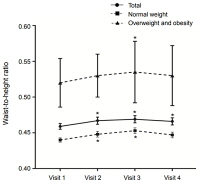
- Secular change in waist circumference and waist-height ratio and optimal cutoff of waist-height ratio for abdominal obesity among Korean children and adolescents over 10 years
- Min Sub Kim, Se Young Kim, Jae Hyun Kim
- Clin Exp Pediatr. 2019;62(7):261-268. Published online December 3, 2018
-
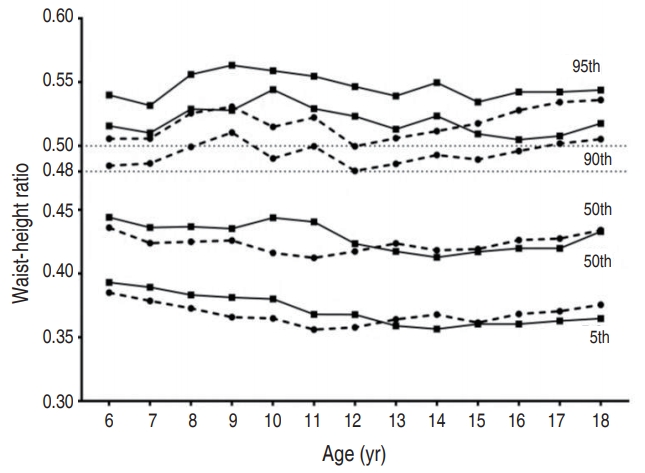
Purpose: This study aimed to evaluate the time trends of waist circumference (WC) and waist-height ratio (WHR), and to present WC and WHR distributions with optimal WHR cutoff for abdominal obesity in Korean children and adolescents. Methods: We performed a retrospective cross-sectional analysis of data from 13,257 children and adolescents (6,987 boys and 6,270 girls) aged 6–18 years who were included...
- Editorial
- Endocrinology
- Simple universal cutoff point of waist-height ratio for metabolic risk in Korean children and adolescents
- Hae Soon Kim
- Clin Exp Pediatr. 2019;62(7):257-258. Published online March 28, 2019
-
- Review Article
- Endocrinology
- Prevalence of obesity and overweight in Iranian children aged less than 5 years: a systematic review and meta-analysis
- kamyar mansori, Sorour Khateri, Yousef Moradi, Zaher Khazaei, Hossein Mirzaei, Shiva Mansouri Hanis, Mehran Asadi Aliabadi, Mehdi Ranjbaran, Fatemeh Varse, Serveh Parang
- Clin Exp Pediatr. 2019;62(6):206-212. Published online April 23, 2019
-
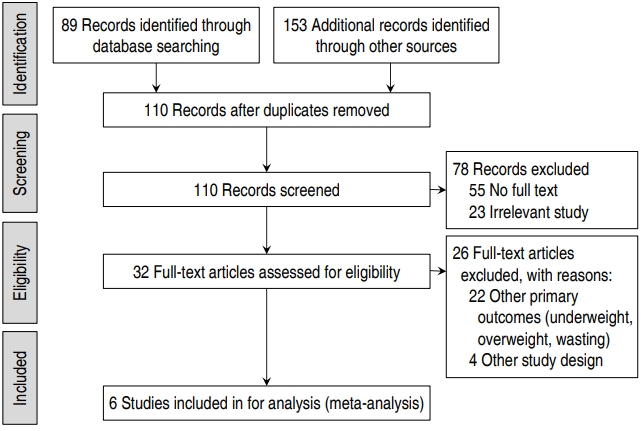
Purpose: The present study aimed to determine the prevalence of childhood obesity and overweight in Iranian children under 5 years of age using a systematic review and meta-analysis. Methods: We searched MEDLINE (PubMed), Web of Science, Google Scholar, Scopus, CINHAL, and the Iranian databases, including Scientific Information Database (www.sid.ir), Iranian Research Institute for Information Science and Technology (Irandoc.ac.ir), Iranmedex (www.iranmedex.com), and...
- Original Article
- Endocrinology
- Prevalence and associates of obesity and overweight among school-age children in a rural community of Thailand
- Teechaya Nonboonyawat, Wuttipat Pusanasuwannasri, Nattanon Chanrat, Natta Wongthanavimok, Danutanut Tubngern, Piengkwan Panutrakul, Mathirut Mungthin, Thirapa Nivesvivat, Panadda Hatthachote, Ram Rangsin, Phunlerd Piyaraj
- Clin Exp Pediatr. 2019;62(5):179-186. Published online February 8, 2019
-
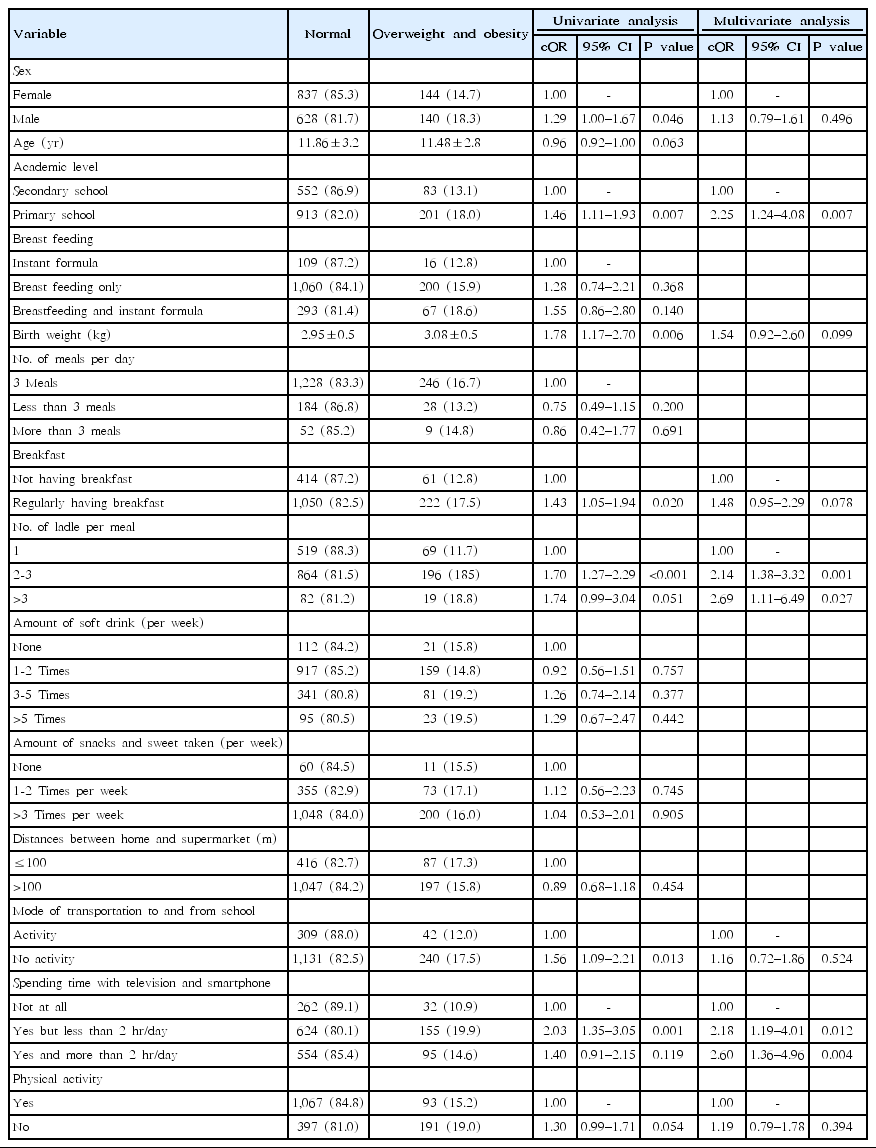
Purpose: Information about overweight and obesity among students in rural areas of Thailand is limited. Therefore, we aimed to determine overweight and obesity prevalences and associated factors among school-aged children in a rural community of Thailand. Methods: We selected 9 public schools through cluster sampling in 2 provinces located in central Thailand in 2016. Anthropometric measurements were measured using standard techniques,...
- Review Article
- Endocrinology
- The adiposity rebound in the 21st century children: meaning for what?
- Min Jae Kang
- Clin Exp Pediatr. 2018;61(12):375-380. Published online December 6, 2018
-
With the increase in the prevalence of overweight and obesity worldwide, early adiposity rebound, which is known to have a strong association with obesity, has recently been a focus of research. Early adiposity rebound is conventionally known to have a close relationship with non-communicable diseases. However, novel insights into early adiposity rebound have implied an acceleration of growth and puberty,...
- Understanding of type 1 diabetes mellitus: what we know and where we go
- Chong Kun Cheon
- Clin Exp Pediatr. 2018;61(10):307-314. Published online October 4, 2018
-
The incidence of type 1 diabetes mellitus (T1DM) in children and adolescents is increasing worldwide. Combined effects of genetic and environmental factors cause T1DM, which make it difficult to predict whether an individual will inherit the disease. Due to the level of self-care necessary in T1DM maintenance, it is crucial for pediatric settings to support achieving optimal glucose control, especially...
- Original Article
- Endocrinology
- Changes of the growth plate in children: 3-dimensional magnetic resonance imaging analysis
- Hyung Ho Yun, Hyun-Jung Kim, Min-Sun Jeong, Yun-Sun Choi, Ji-Young Seo
- Clin Exp Pediatr. 2018;61(7):226-230. Published online July 15, 2018
-
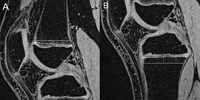
Purpose: This pilot study assessed changes in the growth plate and growth rates in children during a 6-month period. Methods: The study included 31 healthy children (17 boys, 14 girls) under evaluation for growth retardation. Height, weight, bone age, insulin like growth factor-1 (IGF-1), and insulin like growth factor binding protein 3 (IGF-BP3) were measured at baseline and after 6 months....
- Final height of Korean patients with early treated congenital hypothyroidism
- Jiyun Lee, Jeongho Lee, Dong Hwan Lee
- Clin Exp Pediatr. 2018;61(7):221-225. Published online July 15, 2018
-
Purpose: Congenital hypothyroidism (CH) is the most common endocrine disorder in children. Thyroid hormone deprivation results not only in mental retardation but also growth retardation. This study investigates the final height (FH) in Korean patients with CH detected by newborn screening and examines factors that may affect the FH. Methods: The medical records of Korean CH patients (n=45) were reviewed. The...
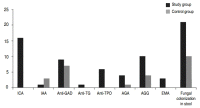
- Autoimmunity and intestinal colonization by Candida albicans in patients with type 1 diabetes at the time of the diagnosis
- Semra Gürsoy, Tuba Koçkar, Sezen Ugan Atik, Zerrin Önal, Hasan Önal, Erdal Adal
- Clin Exp Pediatr. 2018;61(7):217-220. Published online July 15, 2018
-
Purpose: Type 1 diabetes mellitus (T1DM) is a chronic and immune-mediated disease, which is characterized by the progressive destruction of pancreatic beta cells. T1DM precipitates in genetically susceptible individuals through environmental factors. In this study, we aimed to evaluate the impact of autoimmunity and intestinal colonization of Candida albicans on the development of T1DM. Methods: Forty-two patients newly diagnosed with T1DM...
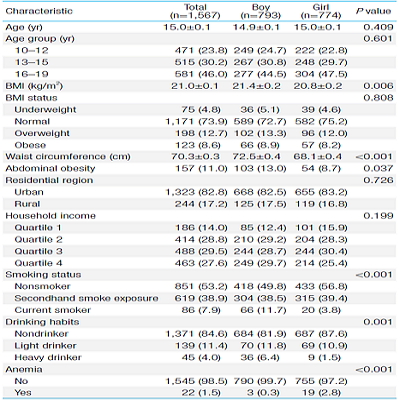
- The association of total blood mercury levels and overweight among Korean adolescents: analysis of the Korean National Health and Nutrition Examination Survey (KNHANES) 2010–2013
- Yi-Yeon Shin, In-Kyung Ryu, Mi-Jung Park, Shin-Hye Kim
- Clin Exp Pediatr. 2018;61(4):121-128. Published online April 23, 2018
-
Purpose Obesity has been associated with higher total blood mercury levels, based on animal studies; however, studies that focus on children and adolescents are lacking. We aimed to assess the association between total blood mercury levels and the incidence of overweight and abdominal obesity in Korean adolescents.
Methods The study population comprised 1,567 adolescents (793 boys and 774 girls; aged 10–19 years), who...
- The effect of low-dose intravenous bisphosphonate treatment on osteoporosis in children with quadriplegic cerebral palsy
- Soon Jeong Moon, Young Min An, Soon Ki Kim, Young Se Kwon, Ji Eun Lee
- Clin Exp Pediatr. 2017;60(12):403-407. Published online December 22, 2017
-
Purpose Quadriplegic children with cerebral palsy are more susceptible to osteoporosis because of various risk factors that interfere with bone metabolism. Pamidronate is effective for pediatric osteoporosis, but there are no guidelines for optimal dosage or duration of treatment in quadriplegic children with osteoporosis. We aimed to evaluate the efficacy of low-dose pamidronate treatment in these patients.
Methods Ten quadriplegic patients on antiepileptic...
- The influence of gonadotropin-releasing hormone agonists on anthropometric change in girls with central precocious puberty
- Jong Wan Yoon, Hyun A Park, Jieun Lee, Jae Hyun Kim
- Clin Exp Pediatr. 2017;60(12):395-402. Published online December 22, 2017
-
Purpose The potential effect of gonadotropin-releasing hormone agonist (GnRHa) treatment on the weight of girls with central precocious puberty (CPP) remains a controversy. We investigated anthropometric changes during and after GnRHa treatment among girls with CPP.
Methods This retrospective study evaluated data from 127 girls with CPP who received GnRHa treatment for ≥2 years. Height, weight, and body mass index (BMI) values were...
- Screening of
SHOX gene sequence variants in Saudi Arabian children with idiopathic short stature - Abdulla A. Alharthi, Ehab I. El-Hallous, Iman M. Talaat, Hamed A. Alghamdi, Matar I. Almalki, Ahmed Gaber
- Clin Exp Pediatr. 2017;60(10):327-332. Published online October 20, 2017
-
Purpose Short stature affects approximately 2%–3% of children, representing one of the most frequent disorders for which clinical attention is sought during childhood. Despite assumed genetic heterogeneity, mutations or deletions in the short stature homeobox-containing gene (
SHOX ) are frequently detected in subjects with short stature. Idiopathic short stature (ISS) refers to patients with short stature for various unknown reasons. The goal...
- The serum level of 25-hydroxyvitamin D for maximal suppression of parathyroid hormone in children: the relationship between 25-hydroxyvitamin D and parathyroid hormone
- Jung In Kang, Yoon Suk Lee, Ye Jin Han, Kyoung Ae Kong, Hae Soon Kim
- Clin Exp Pediatr. 2017;60(2):45-49. Published online February 27, 2017
-
Purpose Serum level of 25-hydroxyvitamin D (25-OHD) is considered as the most appropriate marker of vitamin D status. However, only a few studies have investigated the relationship between 25-OHD and parathyroid hormone (PTH) in children. To this end, this study was aimed at evaluating the lowest 25-OHD level that suppresses the production of parathyroid hormone in children.
Methods A retrospective record review was...
- Review Article
- Endocrinology
- Management issues of congenital adrenal hyperplasia during the transition from pediatric to adult care
- Jin-Ho Choi, Han-Wook Yoo
- Clin Exp Pediatr. 2017;60(2):31-37. Published online February 27, 2017
-
Steroid 21-hydroxylase deficiency is the most prevalent form of congenital adrenal hyperplasia (CAH), accounting for approximately 95% of cases. With the advent of newborn screening and hormone replacement therapy, most children with CAH survive into adulthood. Adolescents and adults with CAH experience a number of complications, including short stature, obesity, infertility, tumor, osteoporosis, and reduced quality of life. Transition from...
- Waist-to-height ratio as a screening tool for obesity and cardiometabolic risk
- Eun-Gyong Yoo
- Clin Exp Pediatr. 2016;59(11):425-431. Published online November 18, 2016
-
The waist-to-height ratio (WHtR), calculated by dividing the waist circumference (WC) by height, has recently gained attention as an anthropometric index for central adiposity. It is an easy-to-use and less age-dependent index to identify individuals with increased cardiometabolic risk. A WHtR cutoff of 0.5 can be used in different sex and ethnic groups and is generally accepted as a universal...