
- Original Article
- Neonatology (Perinatology)
- Maternal metformin protects developing auditory brainstem function after neonatal hypoxia-ischemia in a neonatal rat model
- Sei Eun Kim, Joo Young Kweon, Yong Joo Ahn, Jun Hee Kim
- Clin Exp Pediatr. 2026;69(10):806-816. Published online September 17, 2026
-
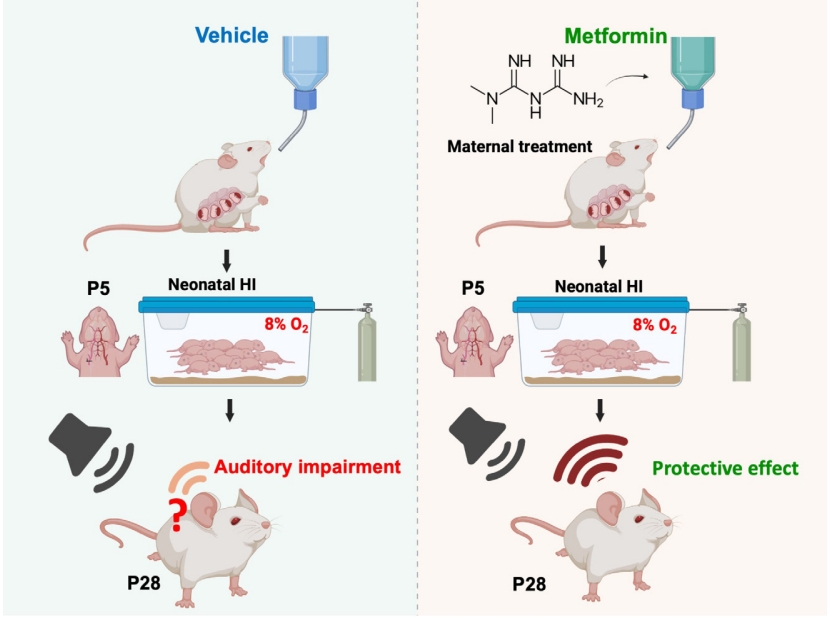
Question: Does maternal metformin administration during pregnancy protect offspring auditory brainstem function after neonatal hypoxia-ischemia (HI)?
Finding: Maternal metformin prevented HI-induced hearing threshold elevation, preserved auditory brainstem response amplitudes, and partially rescued neuronal and oligodendrocyte lineage cells in the medial nucleus of the trapezoid body.
Meaning: Maternal metformin during gestation may serve as a prenatal neuroprotective strategy against neonatal hypoxic-ischemic brain injury.
- Editorial
- Neonatology (Perinatology)
- Antenatal strategies for prevention of neonatal hypoxic-ischemic encephalopathy: potential role of metformin
- Won-Ho Hahn
- Clin Exp Pediatr. 2026;69(10):785-787. Published online September 28, 2026
-
Neonatal hypoxic-ischemic encephalopathy remains a major cause of death and lifelong disability despite therapeutic hypothermia. Antenatal maternal neuroprotective strategies remain underexplored; however, recent preclinical findings suggest that metformin may be a low-cost and mechanistically distinct approach. Further studies are warranted to define its optimal timing, efficacy, and maternal-fetal safety.
- Perspective
- Neonatology (Perinatology)
- Neonatal care in a low-birthrate society: insights from population-based observations in Japan
- Hirokazu Arai, Hiroshi Miura, Yohei Onodera, Hiroyuki Adachi, Akira Sato, Tomoo Ito, Masaru Mizuno
- Clin Exp Pediatr. 2026;69(8):683-685. Published online July 24, 2026
-

Declining birth rates are reshaping neonatal care. In low-birthrate settings, shifts in the underlying causes of neonatal death, including greater use of perinatal palliative care for trisomy 18 and challenges in maintaining expertise in extremely low-birth-weight infants, may contribute to fluctuations in neonatal mortality. These observations highlight the need for a coordinated system-level support.
- Clinical Note
- Neonatology (Perinatology)
- Peters anomaly: a rare etiology of corneal clouding in the newborn
- Gregory Ison, Srividya Naganathan
- Clin Exp Pediatr. 2026;69(8):680-682. Published online July 13, 2026
-

- Original Article
- Neonatology (Perinatology)
- Efficacy and safety of home-based fiberoptic blanket versus hospital-based light-emitting diode phototherapy for neonatal jaundice: a retrospective cohort study from Thailand
- Chayatat Ruangkit, Thanyathorn Thaninjeerawat, Saitarn Klaidangklum, Saowalak Prasopa, Pongsakorn Atiksawedparit, Sasivimon Soonsawad
- Clin Exp Pediatr. 2026;69(8):655-664. Published online July 1, 2026
-

Question: Is a home-based fiberoptic phototherapy blanket as effective and safe as hospital-based overhead light-emitting diode phototherapy for the treatment of neonatal jaundice?
Finding: Home phototherapy (HPT) resulted in a slower bilirubin reduction rate than inpatient phototherapy (IPT); however, both modalities achieved the therapeutic targets without phototherapy-related complications.
Meaning: With careful patient selection, structured monitoring, and reliable follow-up, HPT is a safe and feasible alternative to IPT for neonatal jaundice.
- Association between base excess levels and clinical outcomes among very low birth weight infants: a multicenter birth cohort study in South Korea
- Ji Yoo Kim, Hyeon Jin Kim, Heeyoon Choi, Minji Kim, Jinseok Lee, Yong Sung Choi, Dong Keon Yon
- Clin Exp Pediatr. 2026;69(7):555-562. Published online May 21, 2026
-
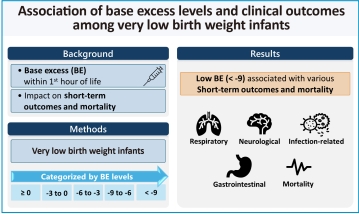
Question: Is metabolic acidosis at birth in very low birth weight infants (VLBWIs) associated with long-term clinical outcomes?
Finding: Metabolic acidosis at birth was associated with increased mortality, adverse respiratory outcomes, neurological morbidities, and infection-related and gastrointestinal outcomes.
Meaning: VLBWIs with metabolic acidosis are at high risk of systemic complications. This finding emphasizes the need for close monitoring and comprehensive care.
- Association between impaired renal function based on decline in serum creatinine level and brain injury in neonates with hypoxic-ischemic encephalopathy
- Mélaine Boget, William Rozalen, Jeanne Fayard, Mohamed Boucekine, Diane Gillot, Isabelle Grandvuillemin, Farid Boubred
- Clin Exp Pediatr. 2026;69(5):437-442. Published online April 27, 2026
-

Question: The clinical relevance of impaired renal function (IRF), based on the rate of serum creatinine level decline during the week after birth, in neonates treated with therapeutic hypothermia for hypoxic-ischemic encephalopathy need further investigation.
Finding: In this study, neonates with IRF had 2-fold higher risk of early death or severe brain injury.
Meaning: IRF can be used as a marker of adverse neonatal outcomes.
- Context-dependent features of transcriptomic landscapes in pregnant mother-neonate dyads of preeclampsia
- Yu-Chun Cheng, Yun-Ju Lai, Wei-Shiung Lian, Ching-Chang Tsai, Hsin-Hsin Cheng, Hong-Ren Yu, Mao-Meng Tiao, Jiunn-Ming Sheen, Ying-Lun Hsu, Feng-Sheng Wang, I-Chun Lin
- Clin Exp Pediatr. 2026;69(5):394-406. Published online February 19, 2026
-

Question: What genes are commonly altered in mother-neonate dyads immediately after shared exposure to preeclampsia?
Finding: Perinatal/peripartum gene expression in preeclampsia is context-dependent, involves diverse signaling pathways, and is associated with some perinatal features.
Meaning: Our results may help build the fundamentals for managing future cardiometabolic risks in these populations. Further investigation of the long-term influence of these candidate genes on cardiometabolic phenotypes is required.
- Hemodynamics and cerebral oxygenation in the neonatal transition: a prospective pilot study
- Daniel Pfurtscheller, Christoph Schlatzer, Nina Höller, Bernhard Schwaberger, Lukas P. Mileder, Nariae Baik-Schneditz, Magdalena Holter, Gerhard Pichler
- Clin Exp Pediatr. 2026;69(4):330-339. Published online January 13, 2026
-
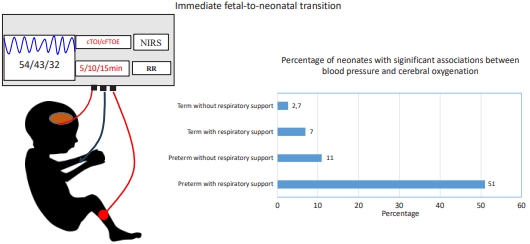
Question: How is arterial blood pressure related to cerebral oxygenation during the immediate postnatal transition in neonates?
Finding: Among preterm infants requiring respiratory support, cerebral oxygenation was associated with diastolic and mean arterial pressures, indicating passive pressure perfusion.
Meaning: Compromised preterm infants are vulnerable to impaired autoregulation with cerebral oxygenation fluctuations, highlighting the need for hemodynamic and cerebral monitoring plus routine monitoring of arterial oxygen saturation and heart rate.
- Perinatal risk factors for hemodynamically significant patent ductus arteriosus in very low birth weight infants
- Jie Hee Jue, So Young Shin, Jae Hyun Park, Chun Soo Kim, Hee Joung Choi
- Clin Exp Pediatr. 2026;69(4):313-321. Published online December 22, 2025
-
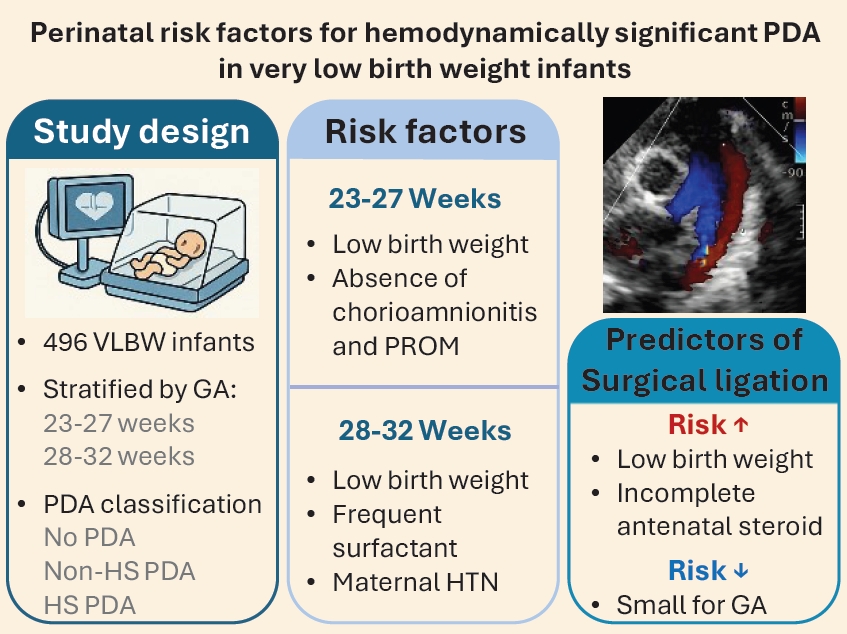
Question: What perinatal factors influence patent ductus arteriosus (PDA) in and improve outcomes of preterm infants?
Finding: Lower birth weight, frequent surfactant treatment, and maternal hypertension increased hemodynamically significant PDA risk in very low birth weight infants, whereas chorioamnionitis and premature rupture of membranes protected against it. A lower birth weight and incomplete antenatal steroid use increased the risk of surgical ligation, whereas small for gestational age reduced it.
Meaning: Recognizing these factors may enable early, targeted intervention and reduce the need for surgical management.
- Prolonged cerebral oxygenation surveillance with algorithm-based management: a neurocritical care bundle for extremely preterm infants
- Kai-Hsiang Hsu, Wei-Hung Wu, Shu-Yu Lin, Chih-Chen Chang, Mei-Yin Lai, I-Hsyuan Wu, Shih-Ming Chu, Ming-Chou Chiang, Reyin Lien
- Clin Exp Pediatr. 2026;69(4):304-312. Published online December 22, 2025
-

Question: Is prolonged monitoring of regional cerebral oxygen saturation (rcSO2) and hemodynamic parameters a feasible approach? Can these measures predict the neurological outcomes in extremely preterm infants?
Finding: We used a neurocritical care bundle from birth to discharge or term-equivalent age. Infants with poor outcomes had significantly lower rcSO2 values.
Meaning: Understanding rcSO2 and hemodynamic parameters may help manage cerebral hypoxia and reduce neurological complications in extremely preterm infants.
- Review Article
- Neonatology (Perinatology)
- Optimal postnatal corticosteroid regimens to prevent bronchopulmonary dysplasia with minimal adverse effects
- Ga Won Jeon
- Clin Exp Pediatr. 2026;69(4):293-300. Published online March 27, 2026
-

Postnatal corticosteroids facilitate ventilator weaning and reduce the risk of bronchopulmonary dysplasia (BPD). Despite being commonly used in high-risk infants, administration guidelines have not been established. Early dexamethasone may cause neurodevelopmental harm, and the optimal dosing remains uncertain. Inhaled corticosteroids show inconclusive benefits, whereas intratracheal administration with surfactant appears promising. Thus, corticosteroids should be used cautiously in high-risk, ventilator-dependent infants with severe BPD, and further high-quality trials are needed.
- Moving toward meaningful shared decision-making in neonatal care: clinical practice and policy implications in Korea
- In Gyu Song, Trisha M. Prentice, Lynn Gillam
- Clin Exp Pediatr. 2026;69(4):282-292. Published online March 13, 2026
-

Shared decision-making (SDM) offers an ethically grounded, relational approach to making difficult decisions in neonatal care. Its effective use depends on recognizing when its use is appropriate and enacted in clinical conversations. In Korea, while parents are often involved in decision-making, SDM is not yet consistently articulated or evaluated as a structured practice. Culturally grounded research, education, and institutional support are needed to strengthen family-centered neonatal care.
- Original Article
- Neonatology (Perinatology)
- Validation of a new Japanese classification for predicting severe bronchopulmonary dysplasia in preterm infants
- Masato Ito, Shinya Hirano, Fumihiko Namba
- Clin Exp Pediatr. 2026;69(3):274-281. Published online January 20, 2026
-

Question: Can the revised Japanese classification predict severe bronchopulmonary dysplasia (BPD) early in preterm infants?
Finding: Small for gestational age and bubbly/cystic chest radiographic patterns were independently associated with severe BPD, and subtypes I and III showed particularly strong associations.
Meaning: This classification may facilitate early risk stratification and guide timely supportive strategies to prevent progression to severe BPD.
- Thrombocytopenia in preterm infants born to mothers with systemic lupus erythematosus: a retrospective cohort study
- Ru Xue, Guoqing Zhang, Xiafang Chen, Jun Bu, Lanlan Mi, Fei Bei
- Clin Exp Pediatr. 2026;69(3):266-273. Published online December 22, 2025
-
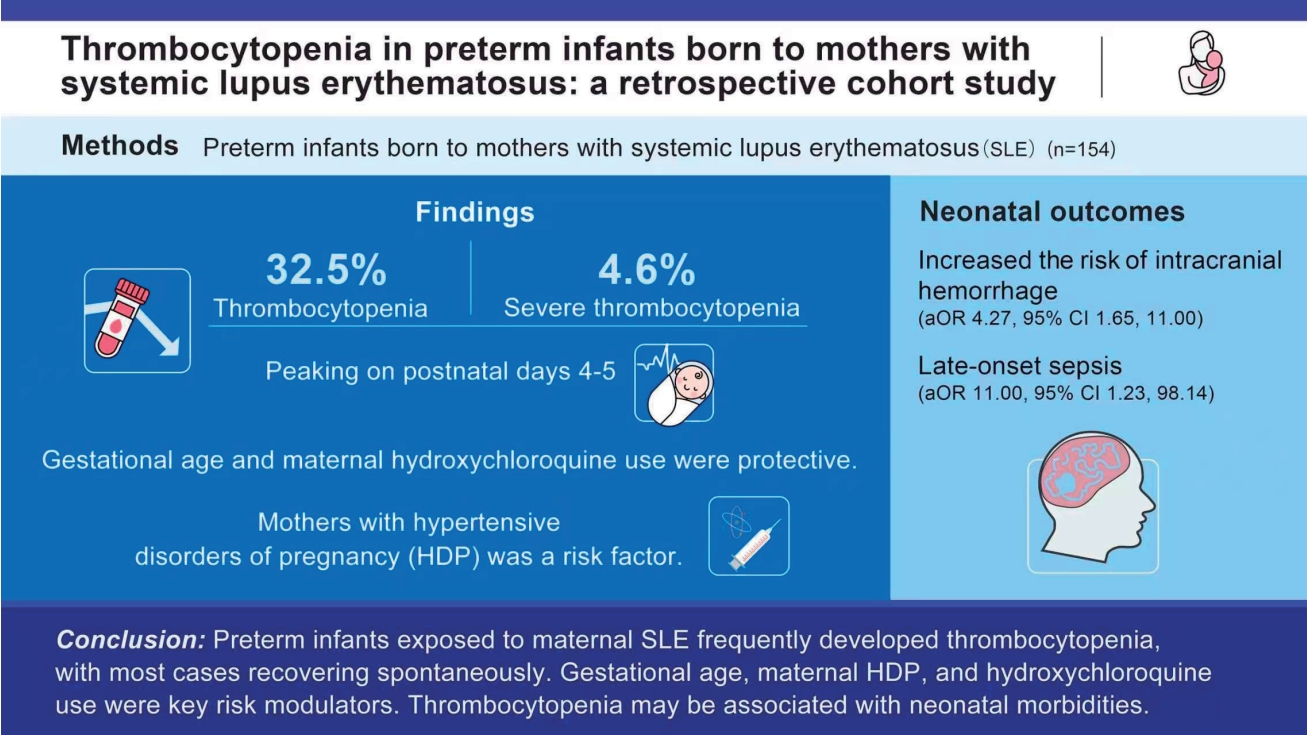
Question: What are the characteristics and clinical implications of thrombocytopenia in preterm neonates born to mothers with systemic lupus erythematosus?
Finding: Nearly one-third of preterm infants developed thrombocytopenia. Key modulators of this risk included gestational age, maternal hypertensive disorders of pregnancy, and hydroxychloroquine use. Thrombocytopenia may be associated with neonatal morbidity.
Meaning: Platelet count should be monitored during the first week of life, and infants should be assessed for potential complications.
- Editorial
- Neonatology (Perinatology)
- Early prediction of bronchopulmonary dysplasia using new classification in high-risk preterm infants
- Ga Won Jeon
- Clin Exp Pediatr. 2026;69(3):211-213. Published online February 25, 2026
-
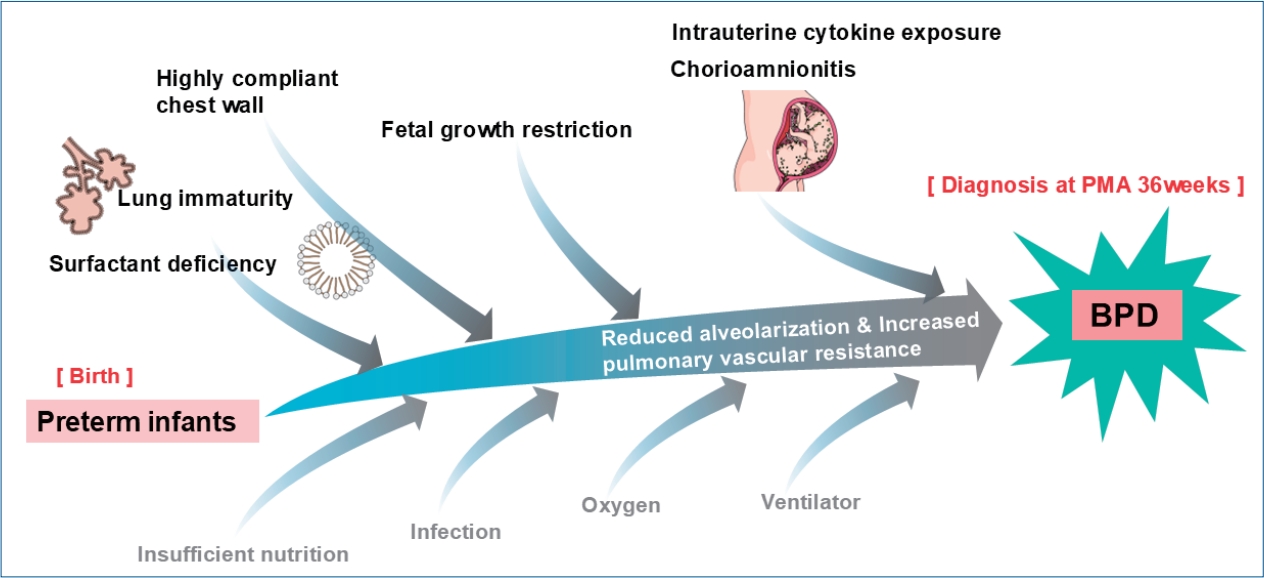
The definition of bronchopulmonary dysplasia (BPD) has continued to evolve. Recently, newer definitions based on respiratory support at 36 weeks’ postmenstrual age better predict long-term outcomes but diagnose BPD relatively late. To address this limitation, the New Japanese Classification uses early postnatal factors, including small for gestational age and bubbly or cystic chest radiographic findings, to predict severe BPD and enable early targeted interventions.
- Clinical Note
- Neonatology (Perinatology)
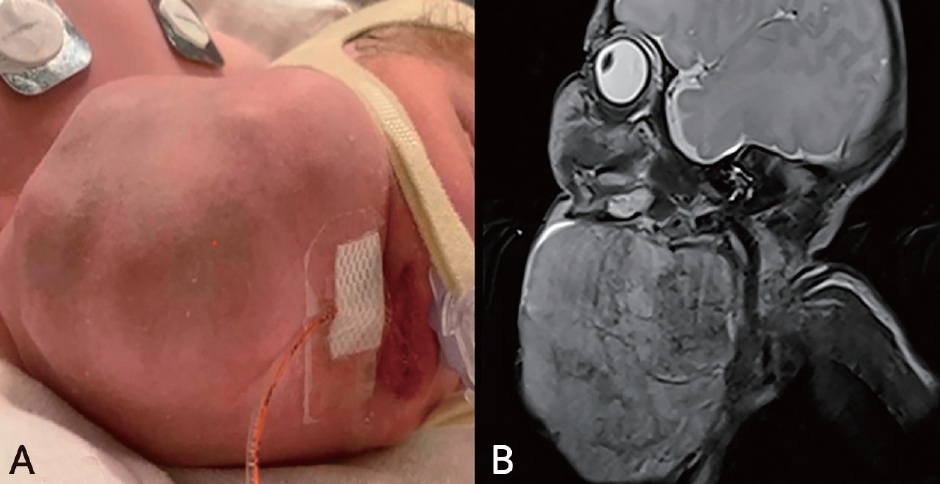
- External tracheal compression and mucosal injury in a neonate with cervical teratoma: a rare airway challenge
- Rhodora Guillen, Arijit Lodha, Prashanth Murthy
- Clin Exp Pediatr. 2026;69(1):73-75. Published online December 4, 2025
-
- Original Article
- Neonatology (Perinatology)
- Less invasive surfactant administration versus intubation-surfactant-extubation: a single-center retrospective study
- C.S. Jithin, A. Nalina, A. Shashidhar, P.N. Suman Rao
- Clin Exp Pediatr. 2025;68(12):991-997. Published online October 2, 2025
-

Question: Does less invasive surfactant administration (LISA) (vs. intubation-surfactant-extubation) improve clinical outcomes in preterm infants with respiratory distress syndrome?
Finding: LISA significantly reduced intubation and invasive mechanical ventilation needs within the first 72 hours and shortened the overall invasive respiratory support duration without increasing other morbidities.
Meaning: LISA is a less invasive and safer surfactant delivery alternative. Larger multicenter trials are needed to confirm its long-term safety and efficacy, especially in low- and middle-income countries.
- Respiratory severity score-guided postnatal systemic corticosteroid therapy for bronchopulmonary dysplasia in extremely preterm infants
- Gyeong Eun Yeom, Ju Sun Heo, Baek Sup Shin, Seh Hyun Kim, Seung Han Shin, Ee-Kyung Kim, Han-Suk Kim
- Clin Exp Pediatr. 2025;68(9):656-665. Published online July 8, 2025
-
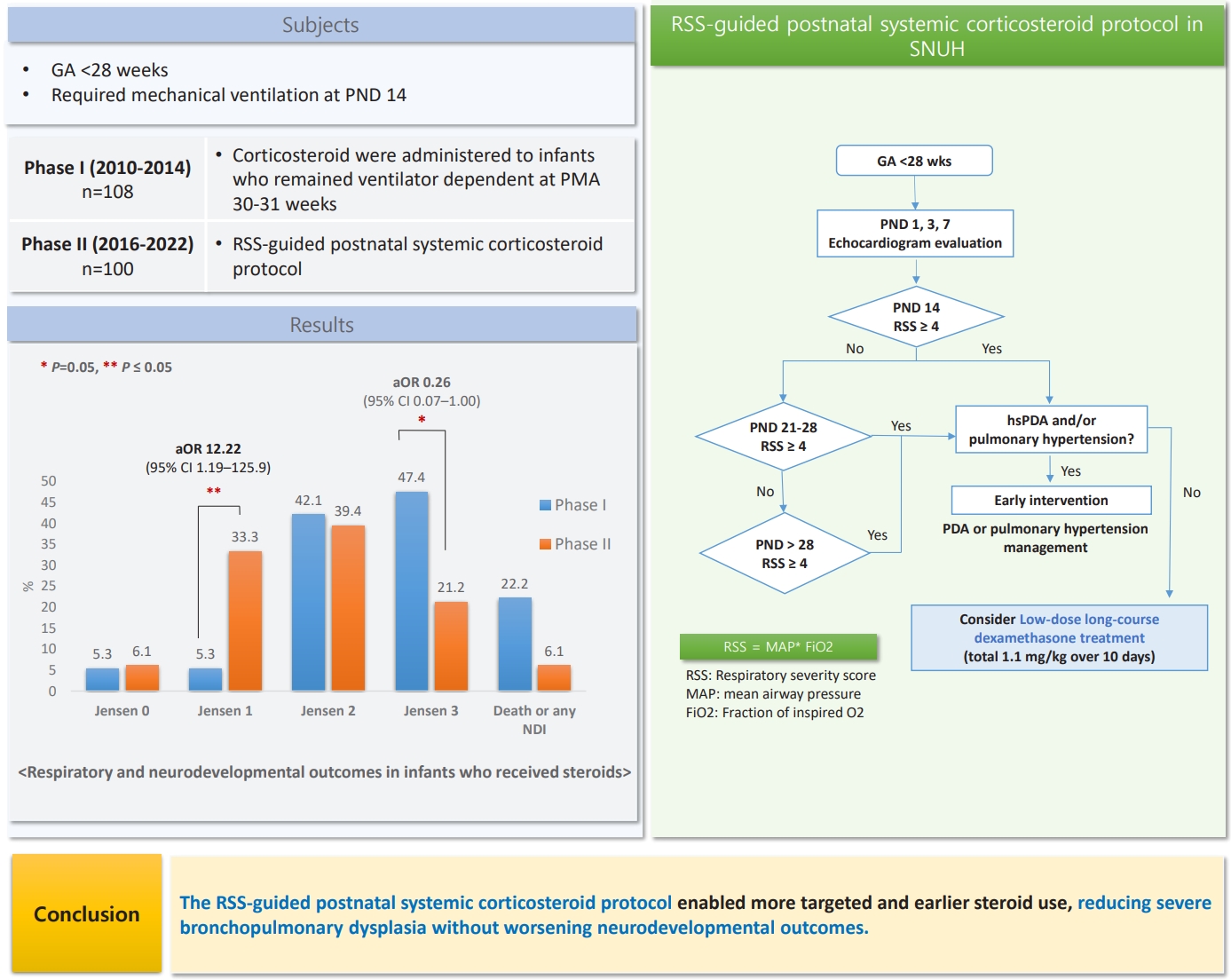
Question: Does a respiratory severity score (RSS)-guided postnatal corticosteroid protocol improve respiratory outcomes of extremely preterm (EP) infants without worsening neurodevelopmental outcomes?
Finding: The protocol enabled targeted and early steroid use, thereby reducing severe bronchopulmonary dysplasia without affecting mortality or causing neurodevelopmental impairments.
Meaning: The RSS-guided protocol may offer a more precise and individualized postnatal corticosteroid therapy for EP infants.
- Evaluation of total serum bilirubin thresholds for discontinuing phototherapy in jaundiced neonates: a randomized study
- Ajay Kumar, Nidhi Jain
- Clin Exp Pediatr. 2025;68(7):539-545. Published online February 26, 2025
-

Question: What are the outcomes of jaundiced neonates when phototherapy is discontinued at 2 different total serum bilirubin (TSB) thresholds?
Findings: The study involved 80 neonates, comparing a recommended TSB threshold and a lower threshold for phototherapy discontinuation. Results showed a 14.3% reinstitution rate of treatment, with no adverse outcomes.
Meaning: Careful posttreatment monitoring is essential when discontinuing phototherapy, and future research should consider updated guidelines like those from the American Academy of Pediatrics.
- Incidence of neural tube defects in tertiary care university hospital in Bangladesh
- Ismat Jahan, Arif Hossain, Shah Nizam Uddin Shaon, Sadeka Choudhury Moni, Mohammad Kamrul Hassan Shabuj, Sanjoy Kumer Dey, Mohammad Abdul Mannan, Mohammod Shahidullah
- Clin Exp Pediatr. 2025;68(7):530-538. Published online April 1, 2025
-

Question: What is the burden of neural tube defects (NTDs) in a tertiary care neonatal intensive care unit in Bangladesh?
Finding: The overall incidence of NTD was 6.4 (range, 4.59–11.2) per 1,000 live births, and the meningomyelocele complex was the most frequent location.
Meaning: The high incidence of NTD found in a leading tertiary care multidisciplinary referral hospital in Bangladesh may not reflect that of the wider population.
- Characterization of gut microbiota in very low birth weight infants with versus without bronchopulmonary dysplasia
- Anucha Thatrimontrichai, Manapat Praditaukrit, Gunlawadee Maneenil, Supaporn Dissaneevate, Kamonnut Singkhamanan, Komwit Surachat
- Clin Exp Pediatr. 2025;68(7):503-511. Published online February 26, 2025
-

Question: Does the gut microbiota differ between very low birth weight (VLBW) infants with versus without bronchopulmonary dysplasia (BPD)?
Finding: Common respiratory pathogens were notably elevated in the BPD group, whereas anaerobic and butyrate-producing taxa, key components of postbiotics, were dominant in the non-BPD group.
Meaning: In gut-lung communication, the interplay between the intestinal and respiratory systems may implicate pro- and postbiotics in VLBW infants with BPD.
- Editorial
- Neonatology (Perinatology)
- Intermittent sigh breaths during high-frequency oscillatory ventilation among newborn infants
- Ga Won Jeon
- Clin Exp Pediatr. 2025;68(7):486-488. Published online April 16, 2025
-

Intermittent sigh breaths during high-frequency oscillatory ventilation can improve ventilation and oxygenation by enhancing lung recruitment. Although research on this approach in newborn infants is limited, some published studies suggest that sigh breaths are generally applied at a rate of 2–3 breaths/min with an inspiratory time of 0.5–1 second and pressure of current mean airway pressure + 5 cmH2O (maximum, 30 cmH2O).
- Original Article
- Neonatology (Perinatology)
- Differential roles of interleukin-6 and adrenomedullin in early diagnosis and mortality predictions in late-onset neonatal sepsis
- Emilly Henrique dos Santos, Gabriel Acca Barreira, Mariana Okay Saippa, Maria Carolina Pires Cruz, Karen Alessandra Rodrigues, Ronaldo Arkader, Thelma Suely Okay
- Clin Exp Pediatr. 2025;68(6):463-471. Published online December 23, 2024
-

Question: Can adrenomedullin (ADM) or interleukin-6 (IL-6) detect late-onset neonatal sepsis (LOS) at admission (area under the curve [AUC]>0.90) as an early diagnostic marker?
Finding: Only IL-6 consistently distinguished survivors from nonsurvivors (AUC>0.90) on admission and antibiotic treatment days 3 and 7. C-reactive protein level identified infections from day 3 but failed to predict outcomes (AUC<0.70).
Meaning: IL-6 level can improve LOS diagnosis and prognosis.
- Editorial
- Neonatology (Perinatology)
- Advancements and challenges in neonatal resuscitation: embracing laryngeal mask airways for improved outcomes
- Jang Hoon Lee
- Clin Exp Pediatr. 2025;68(4):298-299. Published online November 28, 2024
-
Positive pressure ventilation (PPV) is the most critical intervention provided during delivery room resuscitation. In the new guidelines, this recommendation has been expanded to suggest the use of laryngeal mask airyway (LMA) versus face masks for PPV. Evidence-based information and hands-on training related to this practice will help more healthcare providers become familiar with and appropriately use LMA during delivery room resuscitations.
- Review Article
- Neonatology (Perinatology)
- Recent advances in understanding pathophysiology of non-nutritional stunting in very preterm infants
- Eduardo Cuestas, Alina Rizzotti
- Clin Exp Pediatr. 2025;68(4):287-297. Published online December 23, 2024
-

· Previous reviews of extrauterine growth restriction focused mainly on weight growth restriction caused by nutritional factors or pathological conditions.
· This review summarizes recent developments in the pathophysiology of nonnutritional length growth restriction in very preterm infants with focus on the impact of sustained neonatal inflammation on their short- and long-term outcomes.
· Further research is needed to investigate optimal strategies to improve length growth restriction in very preterm infants.
- Editorial
- Neonatology (Perinatology)
- The predetermined future: tackling South Korea’s total fertility rate crisis
- Jin Kyu Kim
- Clin Exp Pediatr. 2025;68(3):225-227. Published online November 6, 2024
-

· South Korea faces a severe demographic crisis with the lowest global fertility rate. Despite significant investments, the total fertility rate continues to decline.
· It is necessary to fully mobilize national capabilities and execute comprehensive strategies that focus on both intangible and tangible values.
· Immediate and decisive action is essential to addressing these challenges effectively.
- Original Article
- Neonatology (Perinatology)
- Effect of high-frequency oscillatory ventilation with intermittent sigh breaths on carbon dioxide levels in neonates
- Kulthida Baingam, Anucha Thatrimontrichai, Manapat Praditaukrit, Gunlawadee Maneenil, Supaporn Dissaneevate
- Clin Exp Pediatr. 2025;68(2):178-184. Published online November 13, 2024
-

Question: Can sigh breaths (Sighs) application during high-frequency oscillatory ventilation (HFOV) decrease partial pressure of carbon dioxide (PaCO2) levels?
Finding: The mean PaCO2 level after Sighs during HFOV was significantly decreased compared to that after HFOV alone (mean difference, -3.6 mmHg).
Meaning: HFOV plus Sighs functionality can reduce PaCO2 levels. However, further studies are required to conclusively determine the effects of Sighs.
- Short-term outcomes of oropharyngeal administration of colostrum in preterm neonates: a double-blind placebocontrolled randomized trial
- Ameneh Lamsehchi, Maryam Shokouhi Solgi, Mohammad Kazem Sabzehei, Behnaz Basiri, Elahe Talebi Ghane, Kiana Kimiaei Asadi, Sina Azadnajafabad
- Clin Exp Pediatr. 2025;68(1):73-79. Published online October 31, 2024
-

Question: What are the short-term outcomes of oropharyngeal administration of colostrum (OAC) in preterm neonates?
Finding: This study demonstrated the significantly lower rates of necrotizing enterocolitis, clinically suspected sepsis, shorter hospital stay, period to full enteral feeding, and antibiotic therapy period in the OAC group.
Meaning: This trial may further expand the clinical application of OAC in premature infants to reduce their length of hospital stay and complications.
- Review Article
- Neonatology (Perinatology)
- Need for national guidance regarding proactive care of infants born at 22–23 weeks' gestation
- Ga Won Jeon
- Clin Exp Pediatr. 2025;68(1):53-61. Published online November 13, 2024
-

With advancements in neonatal intensive care, the limit of viability has shifted to 22–23 weeks' gestation, whose survival rates vary across countries and institutions. These rates are not static and can be improved through the proactive and centralized care guided by national protocols, including maternal transfer to high-activity regions with better neonatal intensive care practices before delivery.