Search

  • HOME
  • Search
Original Article
Granulocyte transfusion improves survival in pediatric febrile neutropenia: a 15-year cohort study
Witsanu Phetsai, Kleebsabai Sanpakit, Jassada Buaboonnam, Kamon Phuakpet, Nassawee Vathana, Nattee Narkbunnam, Fon Kladed, Chayamon Takpradit
Background: Febrile neutropenia (FN) remains a leading cause of morbidity and mortality in pediatric patients with high-risk hematologic disorders, particularly in low- and middle-income countries (LMICs), where antimicrobial resistance limits treatment options. Granulocyte transfusion (GT) is considered an adjunctive therapy; however, pediatric data from LMICs are limited.
Purpose: This study evaluates the effectiveness, timing, and safety of GT in a real-world...
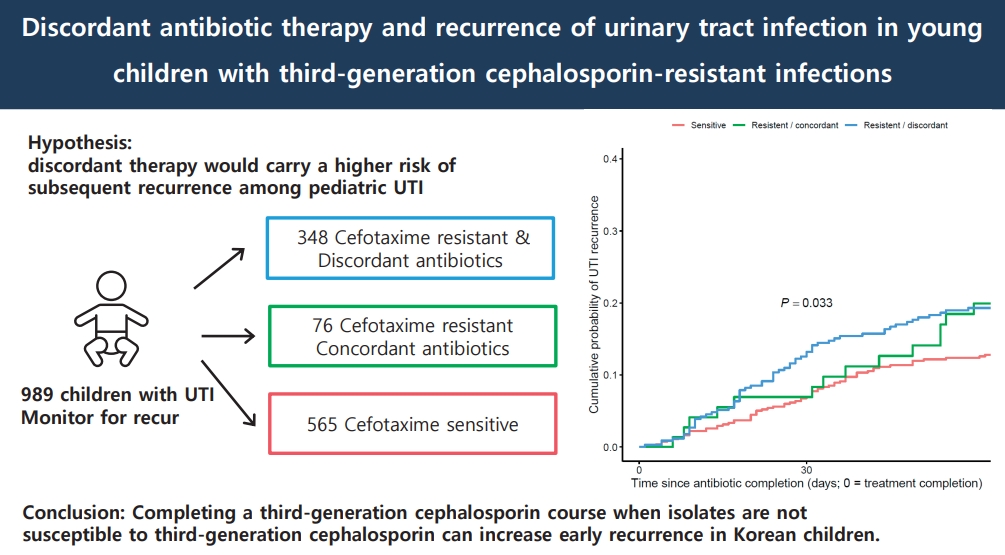
Discordance between antibiotic therapy and recurrent urinary tract infections in young children with thirdgeneration cephalosporin-resistant infections
Yusin Kim, Hyun A Lee, Gil Lee, Kyungseok Park, Ye Kyung Kim, Peong Gang Park
Background: Third-generation cephalosporins remain the empirical mainstay for pediatric urinary tract infections (UTIs) in Korea, yet the resistance rate now approaches 30%, thereby threatening treatment effectiveness.
Purpose: To determine whether completing a cephalosporin regimen, despite in vitro resistance, increases early UTI recurrence rates. Methods: We retrospectively reviewed the cases of children aged <24 months with their first Gram-negative UTI admitted in...
General Pediatrics
Bifidobacterium animalis subsp. lactis BLa80 for preventing allergic, respiratory, and gastrointestinal diseases in young children in China: a randomized double-blind placebo-controlled trial
Ke Chen, Xi Zhang, Kaihong Zeng, Jiayi Zhong, Shanshan Jin, Yang Nie, Ping Yang, Nianyang He, Haixia Chen, Yanmei Cao, Yunrong Fu, Ziji Fang, Wei Jiang, Changqi Lium
Clin Exp Pediatr. 2026;69(2):150-162.   Published online October 30, 2025
Question: Can probiotic BLa80 bring long-term benefits to the health of young children?
Finding: This trial demonstrated that the daily administration of s BLa80 at 5×10⁹ colony-forming units for 3 months in children can reduce the risk of eczema, upper respiratory tract infections, and acute tracheitis/bronchitis as well as beneficially improve the gut microbiome without any adverse effect.
Meaning: Bla80 can bring definite health benefits to young children.
Gastroenterology
Fecal microbiome profiles in infants with biliary atresia versus nonbiliary atresia cholestasis: a pilot study
Nur Azizah, Fadilah Fadilah, Silvia Werdhy Lestari, Muzal Kadim, Fithriyah Sjatha, Hanifah Oswari
Clin Exp Pediatr. 2025;68(11):932-943.   Published online August 20, 2025
Question: How does the gut microbiota profile of infants with biliary atresia (BA) differ from that of infants with non-BA cholestasis and healthy infants in the Indonesian population?
Finding: The unique fecal microbiome composition of the BA group differed significantly from that of the other 2 groups.
Meaning: There is an urgent need to improve dysbiosis in BA and non-BA cholestasis to prevent worsening liver injury in cholestasis.
Infection
Evolving treatment strategies for invasive Streptococcus pyogenes in children in the postpandemic era
Laura Buricchi, Giuseppe Indolfi, Marco Renni, Elisabetta Venturini, Luisa Galli, Elena Chiappini
Clin Exp Pediatr. 2025;68(11):921-931.   Published online August 11, 2025
Question: What are the roles of linezolid, intravenous immunoglobulin (IVIG), and corticosteroids in pediatric invasive group A streptococcal infection (iGAS)? Can any improve outcomes beyond beta-lactams and clindamycin?
Finding: Two of 46 patients with iGAS died. Nearly all received beta-lactams plus clindamycin. Linezolid was effective in refractory cases. IVIG and corticosteroids had variable efficacies.
Meaning: Linezolid may be valuable in refractory cases. IVIG may be considered in severe presentations. The role of corticosteroids remains less clearly defined.
Other
Role of neutrophil elastase in predicting infection among children with chemotherapy-induced febrile neutropenia
Mahmoud A. El-Hawy, Doaa M. Elian, Mai El-Sayad Abd El-Hamid, Esraa T. Allam, Mariam S. Kandeel, Asmaa A. Mahmoud
Clin Exp Pediatr. 2025;68(10):801-807.   Published online June 10, 2025
Question: Can neutrophil elastase (NE) levels predict infection— the primary cause of mortality—among children with hematological malignancies and febrile neutropenia (FN)?
Finding: Elevated levels of NE were found in children with chemotherapy-induced FN and a bacterial infection.
Meaning: Increased NE levels and prolonged FN are important factors associated with mortality risk.
Pulmonology
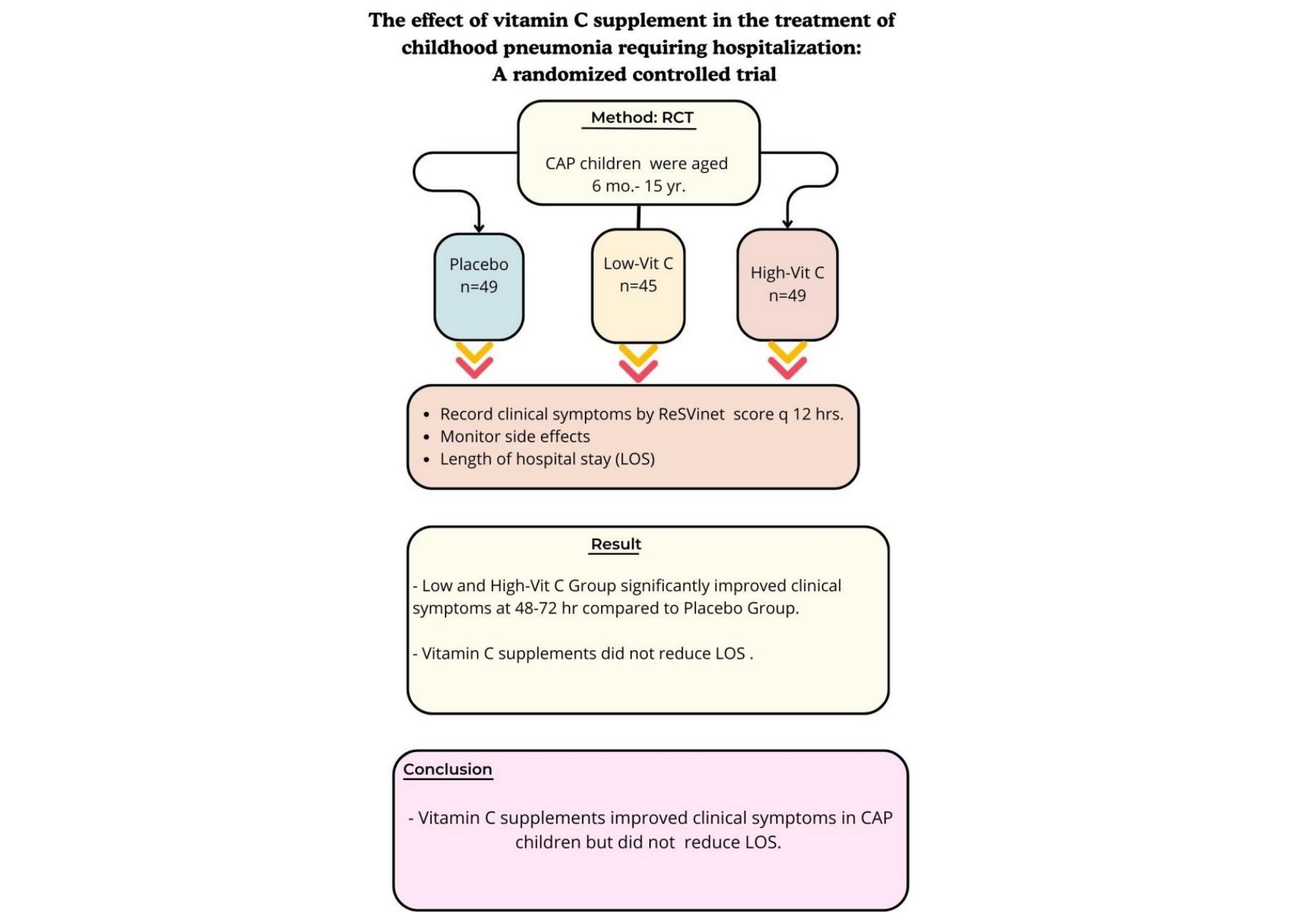
Effect of vitamin C supplement in treatment of childhood pneumonia requiring hospitalization: a randomized controlled trial
Chutima Phuaksaman, Katechan Jampachaisri, Klaita Srisingh
Clin Exp Pediatr. 2025;68(9):690-699.   Published online April 1, 2025
This study assessed the effects of vitamin C on children with community-acquired pneumonia (CAP). Vitamin C supplementation improved clinical symptoms within 48–72 hours compared to placebo but did not reduce the length of hospital stay (LOS). These findings suggest that vitamin C is beneficial for managing CAP severity, but does not affect LOS.
Review Article
Infection
Incidence, causative organisms, and risk factors of bloodstream infections in pediatric liver transplant patients: a systematic review
Mohamad Shieb, Rand Hasanain, Zara Arshad, Faisal A. Nawaz, Rahul Kashyap, Eric J. Stern
Clin Exp Pediatr. 2024;67(9):427-434.   Published online April 5, 2024
The overall incidence of bloodstream infections was 23.5%. Gram-negative organisms occur at a much higher rate in pediatric liver transplant recipients then that the general pediatric population. However, when comparing pediatric and adult liver transplant recipients Gram-positive organisms occur with a much higher rate in the pediatric population highlighting the importance of early and broad spectrum antimicrobial coverage when bloodstream infections are suspected.
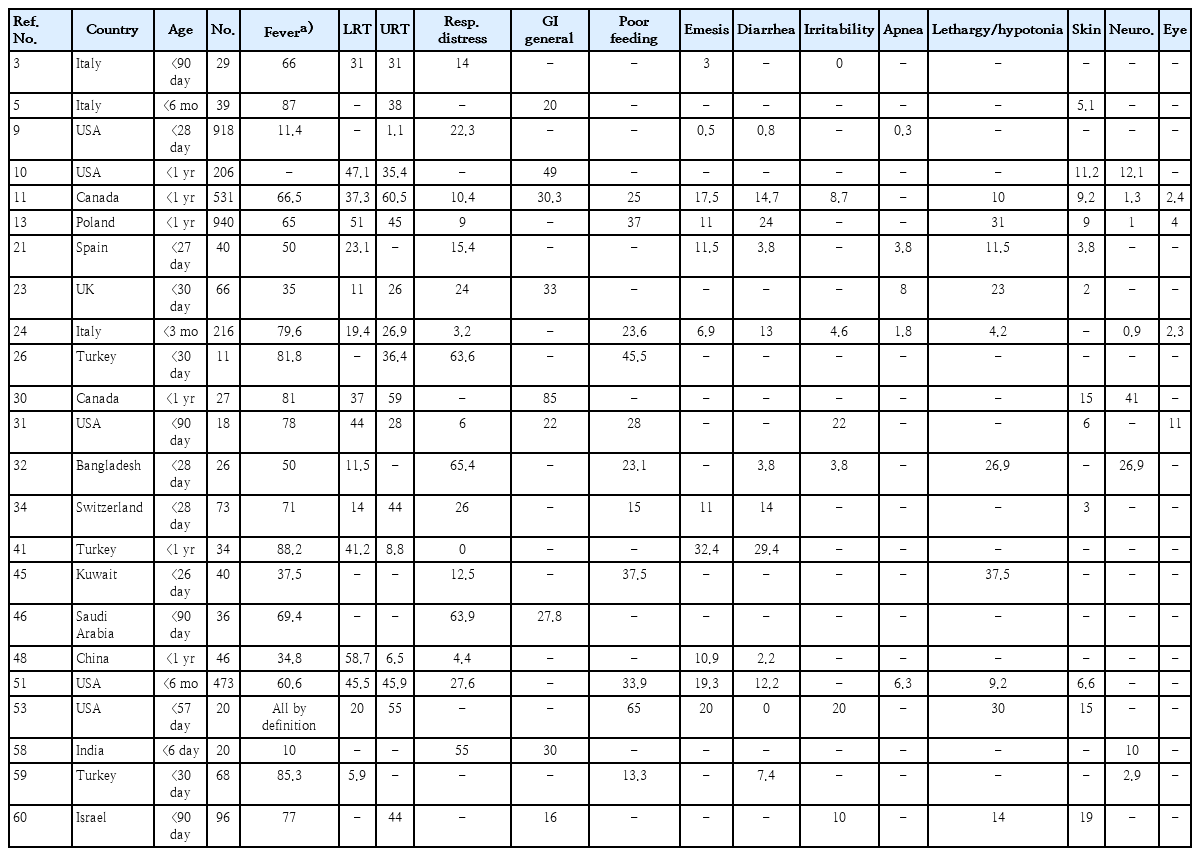
COVID-19 among infants: key clinical features and remaining controversies
Nevio Cimolai
Clin Exp Pediatr. 2024;67(1):1-16.   Published online November 27, 2023
· Clinical studies of coronavirus disease 2019 (COVID-19) in infants should be supported by rigorous laboratory diagnostic criteria.
· Severe acute respiratory syndrome coronavirus 2 (SARS-CoV-2) spreads to infants similarly to other viral respiratory infections.
· Among infants ≤1 year of age beyond the immediate postpartum period, COVID-19 is relatively mild, but even the low risk of severe disease requires prevention.
· Comorbidities increase infection vulnerability and complications in infants.
· Clinical and laboratory data do not sufficiently distinguish COVID-19 from other respiratory viral infections.
· Coinfection with SARS-CoV-2 is uncommon among infants.
· Unique infection sequelae, including multi-inflammatory syndrome in children and neonates and long COVID require further study and refinement of diagnostic criteria.
· Infection control standards applied to mother-infant dyads should be tempered by standard preventive strategies, maternal input, accommodation potential, and overall safety.
· Maternal vaccination prevents disease in early infancy.
Neonatology (Perinatology)
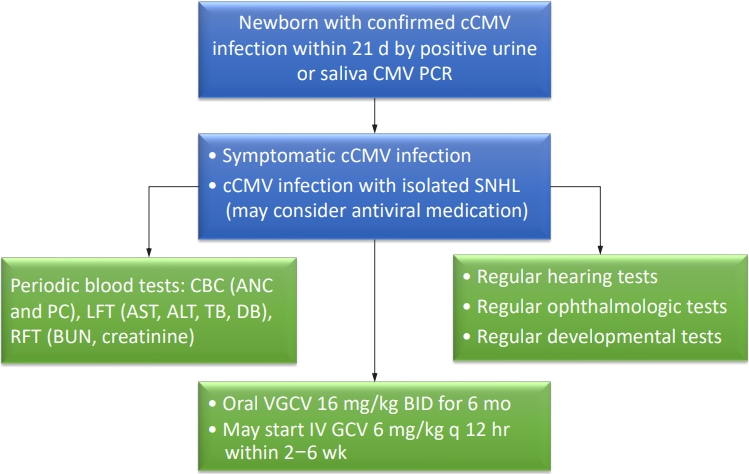
Treatment of congenital cytomegalovirus infection
Gyu Hong Shim
Clin Exp Pediatr. 2023;66(9):384-394.   Published online December 28, 2022
· Congenital cytomegalovirus (CMV) infection is among the most common causes of nongenetic sensorineural hearing loss.
· Congenital CMV is initially treated with intravenous ganciclovir for 2–6 weeks and switched to oral valganciclovir, or with oral valganciclovir for the entire 6-month period.
· Infants with congenital CMV require periodic monitoring of absolute neutrophil count, platelet count, and blood urea nitrogen, creatinine, liver function tests, audiological, ophthalmological, and developmental tests during antiviral medication.
Cardiology
Research trends on causes of Kawasaki disease in the COVID-19 era: focus on viral infections
Young Hwan Lee
Clin Exp Pediatr. 2023;66(1):1-11.   Published online June 22, 2022
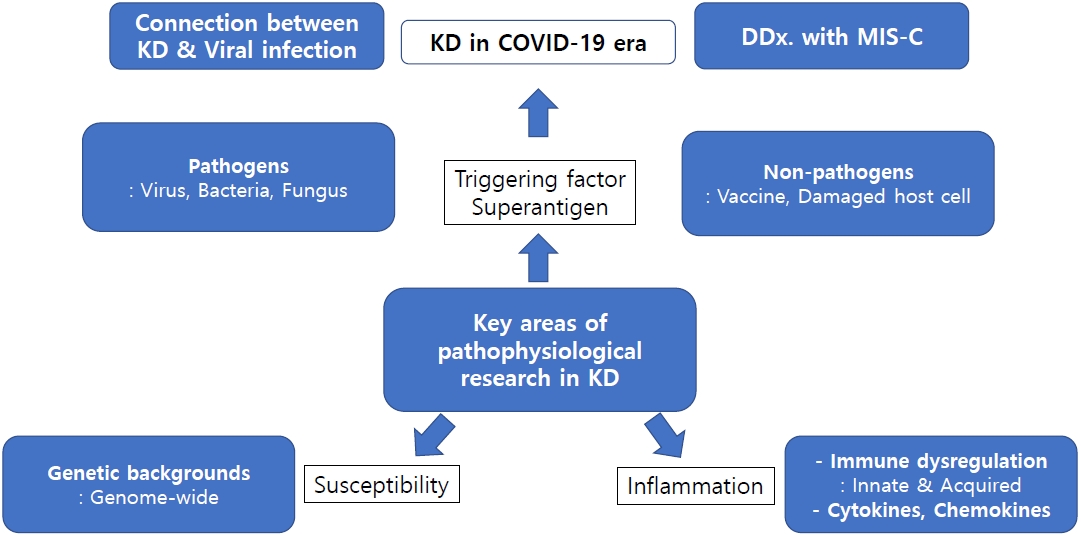
· The etiology of Kawasaki disease (KD) is unclear, but its clinical, epidemiological, and pathophysiological characteristics are strongly associated with infectious diseases.
· In the coronavirus disease 2019 pandemic era, viruses are attracting the most attention. Sudden acute respiratory syndrome coronavirus 2 infection causes various hyperinflammation in children that require differentiation from KD.
· Immune responses in patients with KD may be induced by host cell damage. To effectively prevent and treat KD, the genetic background and immune responses of KD patients and triggering pathogens require identification.
Original Article
Emergency Medicine
Comparison of clinical features and laboratory findings of coronavirus disease 2019 and influenza A and B infections in children: a single-center study
Meraj Siddiqui, Ayşe Gültekingil, Oğuz Bakırcı, Nihal Uslu, Esra Baskın
Clin Exp Pediatr. 2021;64(7):364-369.   Published online May 18, 2021
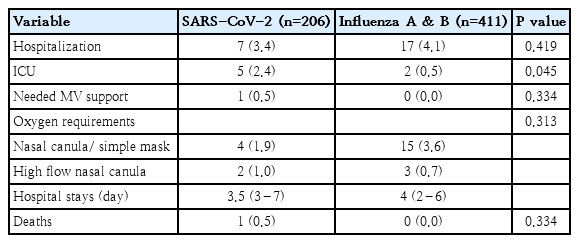
Question: What are the differences between coronavirus disease 2019 (COVID-19) and influenza infections in children?
Finding: Pediatric COVID-19 patients predominantly exhibited respiratory and/or gastrointestinal symptoms, neurological manifestations, olfactory/gustatory dysfunction, elevated monocytes, mildly elevated C-reactive protein, and unilateral or diffuse abnormalities on chest x-ray. Patients with underlying medical conditions had higher intensive care unit admission rates and should be followed closely.
Meaning: The clinical presentations of pediatric COVID-19 patients varied from asymptomatic/mild to severe.
Review Article
Infection
Effects of nasopharyngeal microbiota in respiratory infections and allergies
Hyun Mi Kang, Jin Han Kang
Clin Exp Pediatr. 2021;64(11):543-551.   Published online April 15, 2021
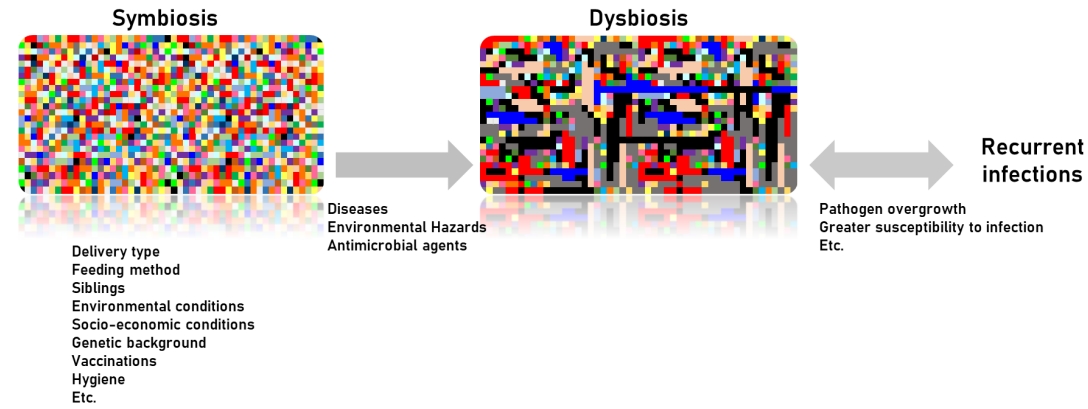
· The nasal microbiota varies with age and is shaped by various factors in healthy individuals.
· The pathological condition of the respiratory tract appears to be associated with reduced nasal microbiota biodiversity, while dysbiosis is involved in the pathophysiology of many respiratory diseases, including otitis, sinusitis, allergic diseases, and lower respiratory infections.
Original Article
General Pediatrics
Risk factors for childhood pneumonia: a case-control study in a high prevalence area in Indonesia
Vivi Ninda Sutriana, Mei Neni Sitaresmi, Abdul Wahab
Clin Exp Pediatr. 2021;64(11):588-595.   Published online March 15, 2021
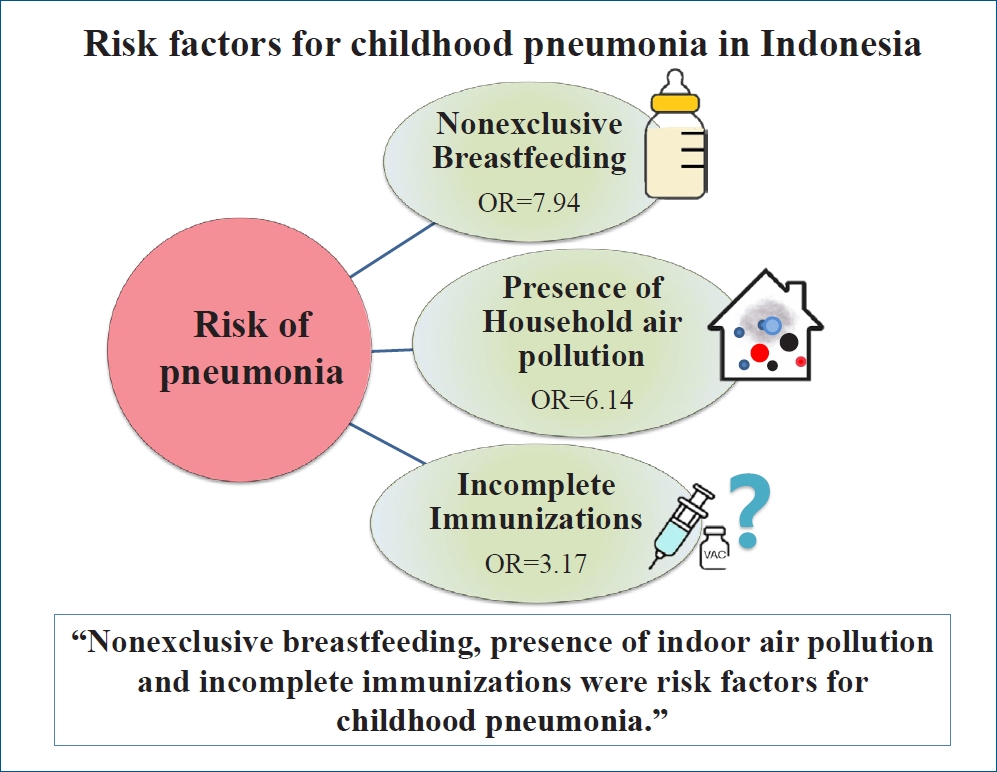
Question: Is the incidence of childhood pneumonia influenced by breastfeeding and basic immunization status?
Finding: Exclusive breastfeeding and complete basic immunization status have an effect in limiting the incidence of childhood pneumonia.
Meaning: While exclusive breastfeeding and complete basic immunization the Expanded Program on Immunization status are important factors for reducing the incidence of childhood pneumonia, indoor air pollution was also a significant risk factor.
Nephrology (Genitourinary)
Urinary neutrophil gelatinase-associated lipocalin: a marker of urinary tract infection among febrile children
Ji Hyun Moon, Kee Hwan Yoo, Hyung Eun Yim
Clin Exp Pediatr. 2021;64(7):347-354.   Published online October 17, 2020
Question: Reliably diagnosing urinary tract infection (UTI) in febrile children is often difficult. Can urinary neutrophil gelatinase-associated lipocalin (uNGAL) better predict UTI and acute pyelonephritis (APN) than serum C-reactive protein (CRP) and white blood cell (WBC) count?
Finding: uNGAL better facilitated the prediction of UTI and APN, than serum CRP and WBC counts in febrile children.
Meaning: uNGAL is a suitable biomarker for UTI and APN in febrile children.
Review Article
Gastroenterology
Changing prevalence of Helicobacter pylori infection in children and adolescents
Ji Sook Park, Jin Su Jun, Ji-Hyun Seo, Hee-Shang Youn, Kwang-Ho Rhee
Clin Exp Pediatr. 2021;64(1):21-25.   Published online July 15, 2020
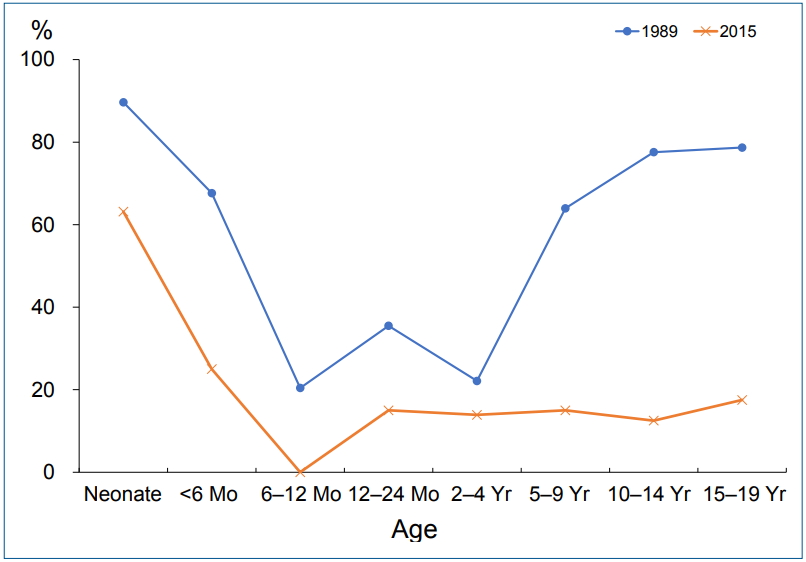
Although Helicobacter pylori infection rate in children is unclear due to diversity and limitation of diagnostic tests unlike in adults, investigation the childhood prevalence is important for predicting H. pylori-related diseases in the future.
H. pylori infection occurred in early childhood, and declined during 30 years in our study.
Change in risk factors of H. pylori transmission and consensus for eradication therapy in children might further reduce the infection rate.
Original Article
Critical Care Medicine
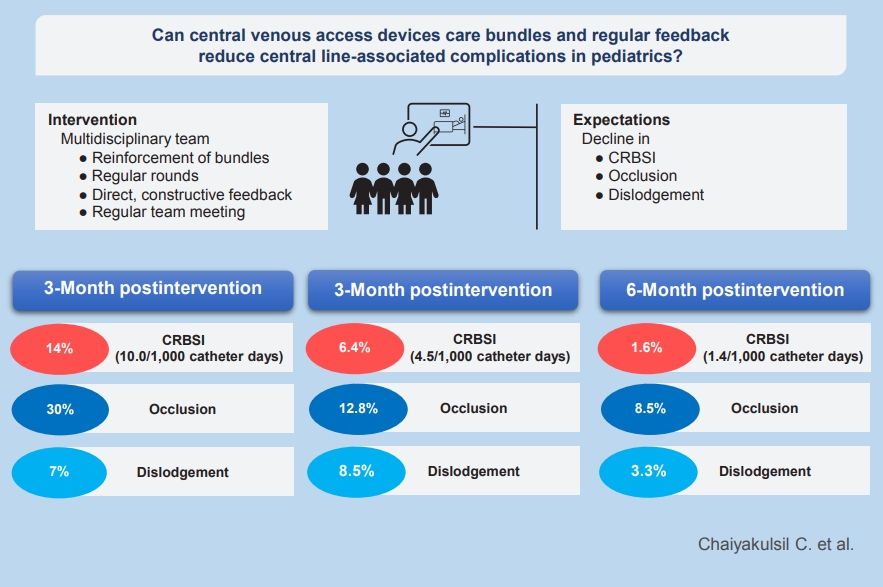
Can central venous access device care bundles and regular feedback reduce central line-associated complications in pediatric patients?
Chanapai Chaiyakulsil, Onsuthi Pharadornuwat
Clin Exp Pediatr. 2021;64(3):123-129.   Published online July 14, 2020
Question: Can central line bundles and feedback reduce central line-associated complications in pediatric patients?
Finding: The central line-related bloodstream infection rate decreased from 10.0 catheter-days to 1.4/1,000 catheter-days at 6-month postintervention. The central line occlusion rate was also decreased.
Meaning: Reinforcing central line care bundles with direct feedback can significantly decrease central line-associated complications in pediatric patients.
Nutrition
Positive association of breastfeeding on respiratory syncytial virus infection in hospitalized infants: a multicenter retrospective study
Min Jeong Jang, Yong Joo Kim, Shinhye Hong, Jaeyoon Na, Jong Hee Hwang, Son Moon Shin, Young Min Ahn
Clin Exp Pediatr. 2020;63(4):135-140.   Published online November 12, 2019
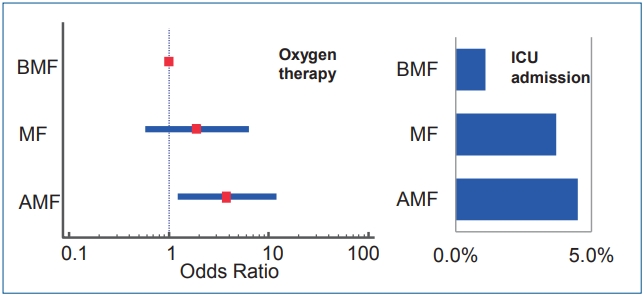
Question: Human milk has stronger antiviral, antibacterial, and anti-inflammatory properties compared with formula milk. How dose breastfeeding affect respiratory syncytial virus infection in Korea?
Finding: Breastfed infants required less oxygen therapy and possible intensive care unit admission than artificial formulafed infants during respiratory syncytial virus infection.
Meaning: This protective role of breast milk on RSV severity can be a supporting evidence for promoting breastfeeding in Korea.
Cardiology
High antistreptolysin O titer is associated with coronary artery lesions in patients with Kawasaki disease
Dong Eun Min, Do Hee Kim, Mi Young Han, Sung Ho Cha, Kyung Lim Yoon
Clin Exp Pediatr. 2019;62(6):235-239.   Published online November 7, 2018

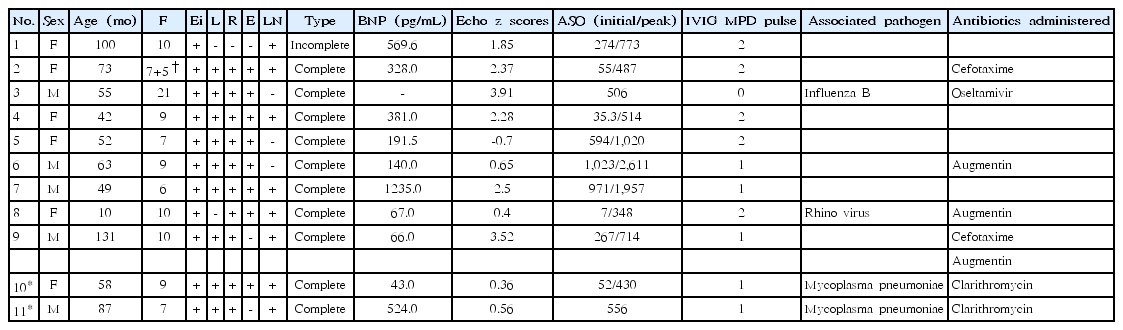
Purpose: In Kawasaki disease (KD) patients, coronary artery complications, incomplete and refractory types occur more frequently in patients with streptococcal or other bacterial/viral infections. Recently, we observed a higher incidence of coronary lesions in KD patients with high anti-streptolysin O (ASO) titer. Therefore, we hypothesized that KD patients diagnosed with concurrent streptococcal infection have poor prognosis, with respect to treatment...
Pulmonology
The changes of prevalence and etiology of pediatric pneumonia from National Emergency Department Information System in Korea, between 2007 and 2014
Eun Ju Shin, Yunsun Kim, Jin-Young Jeong, Yu Mi Jung, Mi-Hee Lee, Eun Hee Chung
Clin Exp Pediatr. 2018;61(9):291-300.   Published online September 15, 2018

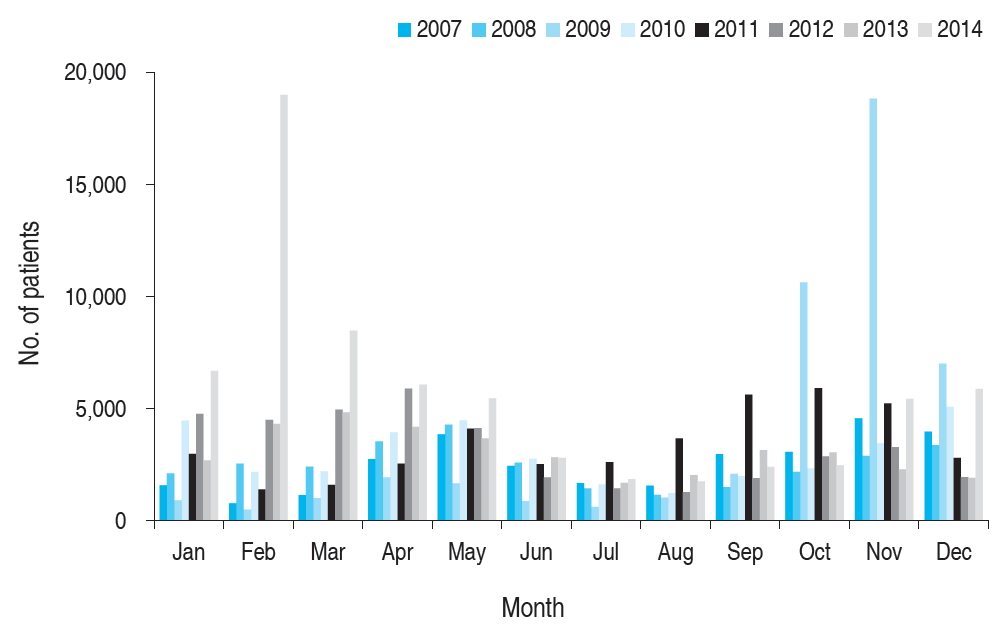
Purpose: Understanding changes in pathogen and pneumonia prevalence among pediatric pneumonia patients is important for the prevention of infectious diseases. Methods: We retrospectively analyzed data of children younger than 18 years diagnosed with pneumonia at 117 Emergency Departments in Korea between 2007 and 2014. Results: Over the study period, 329,380 pediatric cases of pneumonia were identified. The most frequent age group was...
Infection
Association between vitamin D and urinary tract infection in children
Abolfazl Mahyar, Parviz Ayazi, Sara Safari, Reza Dalirani, Amir Javadi, Shiva Esmaeily
Clin Exp Pediatr. 2018;61(3):90-94.   Published online March 19, 2018
Purpose

The present study aimed to determine the relationship between serum 25-hydroxyvitamin D (25(OH)D) level and Urinary tract infections (UTIs) in children.

Methods

In this case-control study, 70 children with UTI (case group) were compared with 70 healthy children (control group) in terms of serum 25(OH)D levels. The children were between 1 month and 12 years of age. Serum 25(OH)D levels were measured...

Cardiology
Discrimination of Kawasaki disease with concomitant adenoviral detection differentiating from isolated adenoviral infection
Jong Han Kim, Hye Ree Kang, Su Yeong Kim, Ji-Eun Ban
Clin Exp Pediatr. 2018;61(2):43-48.   Published online February 28, 2018
Purpose

Human adenovirus infection mimics Kawasaki disease (KD) but can be detected in KD patients. The aim of this study was to determine the clinical differences between KD with adenovirus infection and only adenoviral infection and to identify biomarkers for prediction of adenovirus-positive KD from isolated adenoviral infection.

Methods

A total of 147 patients with isolated adenovirus were identified by quantitative polymerase chain...

Nephrology (Genitourinary)
Diagnostic accuracy of urinary biomarkers in infants younger than 3 months with urinary tract infection
Nani Jung, Hye Jin Byun, Jae Hyun Park, Joon Sik Kim, Hae Won Kim, Ji Yong Ha
Clin Exp Pediatr. 2018;61(1):24-29.   Published online January 22, 2018
Purpose

The aim of this study was to evaluate the diagnostic accuracy of urinary biomarkers, such as neutrophil gelatinase-associated lipocalin (uNGAL) and β-2 microglobulin (uB2MG), in early detection of urinary tract infection (UTI) in infants aged <3 months with fever.

Methods

A total of 422 infants aged <3 months (male:female=267:155; mean age, 56.4 days), who were admitted for fever, were retrospectively included in...

Is vaginal reflux associated with urinary tract infection in female children under the age of 36 months?
Yu Bin Kim, Chih Lung Tang, Ja Wook Koo
Clin Exp Pediatr. 2018;61(1):17-23.   Published online January 22, 2018
Purpose

To determine the relationship between vaginal reflux (VR) and urinary tract infection (UTI) in female children aged <36 months.

Methods

A single center retrospective study was performed for 191 girls aged <36 months, with a diagnosis of febrile UTI, who underwent a voiding cystourethrography (VCUG) for assessment of vesicoureteral reflux (VUR) at Sanggye Paik Hospital. Fifty-one girls, who underwent VCUG for assessment...

Infection
Uropathogenic Escherichia coli ST131 in urinary tract infections in children
Ki Wook Yun, Mi-Kyung Lee, Wonyong Kim, In Seok Lim
Clin Exp Pediatr. 2017;60(7):221-226.   Published online July 31, 2017
Purpose

Escherichia coli sequence type (ST) 131, a multidrug-resistant clone causing extraintestinal infections, has rapidly become prevalent worldwide. However, the epidemiological and clinical features of pediatric infections are poorly understood. We aimed to explore the characteristics of ST131 Escherichia coli isolated from Korean children with urinary tract infections.

Methods

We examined 114 uropathogenic E. coli (UPEC) isolates from children hospitalized at Chung-Ang University...

Cardiology
Clinical usefulness of serum procalcitonin level in distinguishing between Kawasaki disease and other infections in febrile children
Na Hyun Lee, Hee Joung Choi, Yeo Hyang Kim
Clin Exp Pediatr. 2017;60(4):112-117.   Published online April 25, 2017
Purpose

The aims of this study were to compare serum procalcitonin (PCT) levels between febrile children with Kawasaki disease (KD) and those with bacterial or viral infections, and assess the clinical usefulness of PCT level in predicting KD.

Methods

Serum PCT levels were examined in febrile pediatric patients admitted between August 2013 and August 2014. The patients were divided into 3 groups as...

Infection
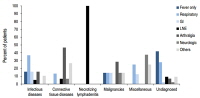
Etiology and clinical characteristics of fever of unknown origin in children: a 15-year experience in a single center
Yi-Seul Kim, Kyung-Ran Kim, Ji-Man Kang, Jong-Min Kim, Yae-Jean Kim
Clin Exp Pediatr. 2017;60(3):77-85.   Published online March 27, 2017
Purpose

Fever is one of the most common symptoms in children. In previous studies, infectious disease was the most common cause of pediatric fever of unknown origin (FUO). The aim of this study is to investigate the etiology, clinical characteristics and prognosis of pediatric FUO in 21 century with more diagnostics available and to analyze the factors for certain disease categories.

Methods

Among...

Usefulness of interferon-γ release assay for the diagnosis of latent tuberculosis infection in young children
Ki Wook Yun, Young Kwang Kim, Hae Ryun Kim, Mi Kyung Lee, In Seok Lim
Clin Exp Pediatr. 2016;59(6):256-261.   Published online June 30, 2016
Purpose

Latent tuberculosis infection (LTBI) in young children may progress to severe active tuberculosis (TB) disease and serve as a reservoir for future transmission of TB disease. There are limited data on interferon-γ release assay (IGRA) performance in young children, which our research aims to address by investigating the usefulness of IGRA for the diagnosis of LTBI.

Methods

We performed a tuberculin skin...

Nephrology (Genitourinary)
Usefulness of neutrophil-lymphocyte ratio in young children with febrile urinary tract infection
Song Yi Han, I Re Lee, Se Jin Park, Ji Hong Kim, Jae Il Shin
Clin Exp Pediatr. 2016;59(3):139-144.   Published online March 31, 2016
Purpose

Acute pyelonephritis (APN) is a serious bacterial infection that can cause renal scarring in children. Early identification of APN is critical to improve treatment outcomes. The neutrophil-lymphocyte ratio (NLR) is a prognostic marker of many diseases, but it has not yet been established in urinary tract infection (UTI). The aim of this study was to determine whether NLR is a...

Evaluation of new American Academy of Pediatrics guideline for febrile urinary tract infection
Da Min Choi, Tae Hoon Heo, Hyung Eun Yim, Kee Hwan Yoo
Clin Exp Pediatr. 2015;58(9):341-346.   Published online September 21, 2015
Purpose

To evaluate the practical applications of the diagnosis algorithms recommended by the American Academy of Pediatrics urinary tract infection (UTI) guideline.

Methods

We retrospectively reviewed the medical records of febrile UTI patients aged between 2 and 24 months. The patients were divided into 3 groups: group I (patients with positive urine culture and urinalysis findings), group II (those with positive urine culture...


TOPICS

Browse all articles >

ARTICLE CATEGORY

Browse all articles >

BROWSE ARTICLES
FOR CONTRIBUTORS
ABOUT
Editorial Office
Korean Pediatric Society
#1606 Seocho World Officetel, 19 Seoun-ro, Seocho-ku, Seoul 06732, Korea
Tel: +82-2-3473-7306    Fax: +82-2-3473-7307    E-mail: office@e-cep.org                

Clinical and Experimental Pediatrics is an open access journal. All articles are distributed under the terms of the Creative Commons Attribution NonCommercial License (http://creativecommons.org/licenses/by-nc/4.0/)

Copyright © 2026 by Korean Pediatric Society.      Developed in M2PI