Search

  • HOME
  • Search
Original Article
Longitudinal analysis of gut microbiota dysbiosis and bacterial signatures predictive of postoperative enterocolitis in children with Hirschsprung disease
Sireekarn Chantakhow, Chanon Kunasol, Jiraporn Khorana, Kanokkan Tepmalai, Nipon Chattipakorn, Siriporn C Chattipakorn
Background: We aimed to investigate differences in gut microbiota between patients with Hirschsprung disease (HSCR) and healthy children; assess longitudinal changes in the microbiota of patients with HSCR from diagnosis through postoperative period; and identify microbial markers predictive of postoperative HSCR-associated enterocolitis (HAEC).
Purpose: To investigate alterations in the gut microbiota of patients with HSCR by assessing longitudinal microbiome changes after...
Review Article
Ingestion of foreign bodies and caustic substances in children: a narrative review and clinical evaluation and management update
MARIA ROGALIDOU
The ingestion of foreign bodies and caustic substances represents a significant clinical concern in pediatric populations, particularly among children aged 1–5 years. These events can result in a wide spectrum of complications ranging from acute, life-threatening emergencies to delayed sequelae with long-term morbidities. The severity and clinical course are influenced by multiple factors, including ingested material’s nature, size, shape, and...
Original Article
Progression from acute to chronic pancreatitis in children: a systematic review and meta-analysis
Endre Botond Gagyi, Mahmoud Obeidat, Edina Tari, Szilárd Váncsa, Daniel Sandor Veres, Peter Banovcin, Peter Jeno Hegyi, Peter Hegyi, Balint Eross
Most children recover after an initial acute pancreatitis (AP) episode; however, some progress to recurrent AP (RAP) or chronic pancreatitis (CP). We aimed to quantify progression rates and identify the risk factors associated with these transitions. PubMed/MEDLINE, Embase, and Cochrane databases were searched on December 21, 2024, for pediatric studies reporting progression to RAP or CP (PROSPERO number: CRD420251086520). All...
Editorial
Infection
Beyond COVID-19: meeting the challenge of evolving pediatric invasive group A streptococcal disease
Han Wool Kim
Clin Exp Pediatr. 2025;68(12):971-973.   Published online November 26, 2025
Pediatric for invasive group A Streptococcus has resurged globally with increasing severity and toxin-mediated presentations. Beta-lactams remain the first-line treatment, but linezolid has emerged as a safe alternative in cases refractory to β-lactams. Early intravenous immunoglobulin use may improve outcomes in severe streptococcal toxic shock syndrome cases, while C-reactive protein and procalcitonin aid early risk stratification. Integrating global surveillance and individualized therapy is crucial in the postpandemic era.
Review Article
Sacral dimple: clinical perspectives of lesions hidden beneath the skin
Jin Eun, Kwan Sung Lee, Seung Ho Yang
Sacral dimples are the most common cutaneous anomalies in newborns. While usually benign anatomical variants, some dimples are indicative of occult spinal dysraphism, such as a tethered cord, dermal sinus tract, or lipomyelomeningocele, that, if undiagnosed, may cause irreversible neurological, orthopedic, and urological deficits. Distinguishing benign from high-risk dimples is essential for timely intervention. This review summarizes the embryological origins,...
Original Article
Discordance between antibiotic therapy and recurrent urinary tract infections in young children with thirdgeneration cephalosporin-resistant infections
Yusin Kim, Hyun A Lee, Gil Lee, Kyungseok Park, Ye Kyung Kim, Peong Gang Park
Background: Third-generation cephalosporins remain the empirical mainstay for pediatric urinary tract infections (UTIs) in Korea, yet the resistance rate now approaches 30%, thereby threatening treatment effectiveness.
Purpose: To determine whether completing a cephalosporin regimen, despite in vitro resistance, increases early UTI recurrence rates. Methods: We retrospectively reviewed the cases of children aged <24 months with their first Gram-negative UTI admitted in...
General Pediatrics
Lipoprotein(a) prevalence trends in Portuguese children and adolescents: a real-world perspective
Isabel Morais Ribeiro, Susete Vieira, Miguel Saraiva, Mónica Tavares, José Carlos Oliveira, Isabel Mangas Palma, Helena Ferreira Mansilha
Clin Exp Pediatr. 2025;68(12):1031-1040.   Published online November 24, 2025
Early lipid screening, including lipoprotein(a) (Lp(a)), in children/adolescents is key to identifying and managing dyslipidemia and reducing the risk of early-onset cardiovascular disease. This study shows that prevalence of elevated Lp(a) in high-risk Portuguese children is alarming, with over 30% at intermediate/high risk and nearly 1% at very high-risk (>430 nmol/L). Since Lp(a) is mostly genetically determined, one-time early screening in atrisk children is crucial for timely monitoring and prevention.
Review Article
Oncology
Breaking the barrier: a guidelines-based review of antiangiogenesis drug resistance in pediatric cancer therapy
Nader Shakibazad, Mahdi Shahriari, Mani Ramzi
Clin Exp Pediatr. 2025;68(12):952-962.   Published online November 24, 2025
Antiangiogenic therapy resistance in pediatric cancers involves alternative angiogenic pathways, microenvironmental support, hypoxia-driven signaling, metabolic reprogramming, and structural adaptations such as vascular co-option. Metabolic adaptation highlights tumor plasticity. Effective treatments combine immunotherapy with biomarkers. To address vascular endothelial growth factor limitations, emerging targets include hypoxia-inducible factor-2α, endoglin, CXCR4, angiopoietin/Tie2, and bispecific antibodies. In resource-constrained settings, the guidelines recommend low-dose chemotherapy plus oral multiantiangiogenic agents to ensure improved accessibility and treatment outcomes.
Original Article
Comparing ethyl chloride and 10% lignocaine spray for pediatric intravenous cannulation pain relief
Susmitha Vellanki, Malavika Kulkarni, Arun Kumar H D, Deepali Shetty, Nikhil B Karthik, Mathew Tom
Background: Intravenous cannulation (IVC) is a routine yet distressing procedure in pediatric patients, often provoking significant anxiety and procedural pain. Although eutectic mixtures such as eutectic mixture of local anesthetic cream are widely used, their delayed onset limits their applicability in time-sensitive settings. Ethyl chloride vapocoolant spray and 10% lignocaine spray have been proposed as rapid-onset alternatives, yet direct comparative...
Global and regional burden of neonatal disorders (preterm birth, encephalopathy, jaundice, and sepsis), 1990–2021 and projections to 2050
Yuseon Kang, Jeongseon Oh, Dongjin Yeo, Jaeyu Park, Sooji Lee, Na Yun Kim, Jungmin Park, Seung Ha Hwang, Tae Hyeong Kim, Dong Keon Yon
Background: Although most neonatal disorders are preventable, their global burden has not been comprehensively investigated in the context of underlying epidemiological patterns. Thus, here we conducted the first comprehensive assessment of the global burden of neonatal disorders and their 5 subtypes in 1990–2021 with projections through 2050.
Purpose: To comprehensively assess the global burden of neonatal disorders in 1990–2021 and forecast...
Bifidobacterium animalis subsp. lactis BLa80 for preventing allergic, respiratory, and gastrointestinal diseases in young children in China: a randomized double-blind placebo-controlled trial
ke Chen, xi Zhang, Kaihong Zeng, Jiayi Zhong, Shanshan Jin, Yang Nie, Ping Yang, Nianyang He, Haixia Chen, Yanmei Cao, Yunrong Fu, Ziji Fang, Wei Jiang, Changqi Liu
Background: Respiratory, gastrointestinal, and allergic diseases can significantly affect children’s physical and mental health and quality of life.
Purpose: This study aimed to assess the safety of Bifidobacterium animalis subsp. lactis BLa80, its preventive effects on morbidities related to respiratory, gastrointestinal, and allergic diseases, and its impact on the gut microbiome of children during the study period. Methods: Healthy children aged 0–3...
Editorial
Endocrinology
Rickets prevalence and treatment outcome: real-world data from Taiwan
Young Suk Shim
Clin Exp Pediatr. 2025;68(11):868-870.   Published online October 23, 2025
Rickets should be recognized as a significant public health concern during infancy and childhood. Recent studies from Taiwan have demonstrated a steady increase in the prevalence of nutritional rickets, and a similar trend is likely to emerge in Korea. Therefore, comprehensive clinical evaluation and appropriate biochemical assessment are essential to prevent long-term skeletal and systemic complications. Prompt diagnosis and timely initiation of appropriate treatment are crucial.
Original Article
Assessing kidney outcomes in childhood-onset lupus nephritis: role of National Institutes of Health-modified histological indices
Nuanpan Penboon, Pornpimol Rianthavorn
Background: Childhood-onset lupus nephritis (cLN) is an aggressive disease. Although histological class has historically guided its treatment, its prognostic value remains limited. Although the National Institutes of Health (NIH)-modified activity index (AI) and chronicity index (CI) incorporate glomerular and tubulointerstitial changes and may provide better prognostic insight, their utility in cLN is not well established.
Purpose: Here we aimed to assess the utility of the NIH-modified-modified AI and CI...
Telemedicine outcome of mechanically ventilated children in Brazilian pediatric intensive care units
Aristóteles Almeida Pires, Luciano Remião Guerra, Luciane Gomes da Cunha, João Ronaldo Mafalda Krauzer, Mariana Motta Dias da Silva, Vanessa Cristina Jacovas, Hilda Maria Rodrigues Moleda, Tais de Campos Moreira, Paulo Márcio Pitrez, Felipe Cezar Cabral
Background: Pediatric intensive care units (PICUs) have undergone significant evolution, resulting in a reduction in patient morbidity and mortality rates. Telemedicine has emerged as a valuable resource for services that optimize the care processes in PICUs. Despite growing interest in telemedicine for pediatric critical care, its impact on mechanically ventilated (MV) children in public health settings in Brazil remains underexplored.
Purpose: This study aimed to evaluate the effect...
Clinical Note
Gastroenterology
Successful rescue after catastrophic bleeding of carotid artery pseudoaneurysm following button battery ingestion in a toddler
Manjit Kaur, Ujjal Poddar, Basant Kumar, Abdul Muzil Munshi, Rajanikant R. Yadav, Moinak Sen Sarma, Anshu Srivastava
Clin Exp Pediatr. 2025;68(12):1041-1044.   Published online October 22, 2025
Button battery (BB) ingestion is an increasing hazard. Catastrophic gastrointestinal bleeding due to pseudoaneurysm rupture following BB impaction is often fatal. Here we report the case of an unwitnessed BB ingestion in an 18-month-old boy who presented with repeated massive UGIB due to a left CCA pseudoaneurysm that was successfully managed multidisciplinarily. BB ingestion should be considered in toddlers presenting with hematemesis.
Original Article
Infection
Association between vitamin D polymorphisms and binding protein and COVID-19 risk and severity in children
Victoria Giatraki, Helen Dimitriou, Georgia Martimianaki, Christos Tsatsanis, Emmanouil Galanakis, Chrysoula Perdikogianni
Clin Exp Pediatr. 2025;68(12):998-1006.   Published online October 22, 2025
Question: Addressing crucial genetic variants within the vitamin D pathway and coronavirus disease 2019 (COVID-19) susceptibility, the vitamin D receptor, vitamin D binding protein, and CYP27B1-1260 polmorphisms might be associated with COVID-19 occurrence and severity in children.
Finding: The FokI FF genotype might be an independent risk factor for COVID-19 severity in childhood.
Meaning: This research may further elucidate genetic susceptibility to multisystem viral infections and establish genetic markers for severe clinical outcomes.
Review Article
Nutrition
Exploring nutritional screening tools for hospitalized children: a narrative review
Pankaj Soni, Amit Agrawal, Gaurav Jadon
Clin Exp Pediatr. 2025;68(12):963-970.   Published online October 22, 2025
Malnutrition is frequently identified in hospitalized children, and the use of nutritional screening tools is crucial for assessing their nutritional status during their hospital admission and stay. Common tools include the Pediatric Yorkhill Malnutrition Score, Screening Tool for Assessment of Malnutrition in Pediatrics, and Screening Tool for Risk of Nutritional Status and Growth. However, these tools have varying sensitivities and specificities, and none is recommended for all hospitalized children.
Original Article
Associations of routine breakfast and napping habits with early adiposity rebound by age 3 years: a population-based cohort study in Japan
Toshifumi Yodoshi
Background: Early adiposity rebound (AR) is a key predictor of later obesity and metabolic risk, yet modifiable factors related to early AR remain understudied in large populations.
Purpose: To quantify the prevalence of early AR at age 3 years and identify modifiable correlates in a population‑based cohort of Japanese preschool children. Methods: We retrospectively analyzed health-check records for 74,466 children who attended...
Maternal sleep disorders during pregnancy and subsequent risk of allergic diseases in Japanese children: the TMM BirThree Cohort Study
Ami Uematsu, Masatsugu Orui, Mami Ishikuro, Keiko Murakami, Aoi Noda, Genki Shinoda, Taku Obara, Shinichi Kuriyama
Background: Associations have been suggested between prenatal exposure and allergic diseases in children as well as between respiratory allergies and maternal sleep disorders during pregnancy.
Purpose: This study aimed to examine the association between maternal sleep disorders during pregnancy and allergic diseases, including respiratory, skin, and ocular allergies, in their children. Methods: This study was based on the Tohoku Medical Megabank Project Birth and Three-Generation Cohort Study. Sleep disorders during...
Gut microbiota and metabolomic alterations in newborns of mothers with gestational diabetes mellitus
Wan-Hsin Su, Yi-Wei Wang, Chien-Chang Chen, Ming-Wei Lai, Hsun-Chin Chao, Ming-Chou Chiang, Ren-Huei Fu, Pai-Jui Yeh
Background: Gestational diabetes mellitus (GDM) is a common complication of pregnancy associated with various perinatal risks in mothers and heightened risks of long-term obesity and metabolic syndrome in their children. Understanding the effect of GDM on infant health is crucial. Infant gut colonization has generated significant interest owing to its profound impact on health and potential role in later disease development.
Purpose: Here we conducted a thorough analysis...
Recurrent immunoglobulin A vasculitis in children and adolescents: prevalence and associated risk factors
Nootsara Atchariyaphuk, Maynart Sukharomana, Thanaporn Chaiyapak, Sirirat Charuvanij
Background: Immunoglobulin A vasculitis (IgAV) is a systemic vasculitis characterized by potential recurrence.
Purpose: This study aimed to explore the prevalence of and factors associated with IgAV recurrence. The clinical phenotypes of childhood- and adolescent-onset IgAV were described and compared. Methods: This retrospective cohort analysis included patients aged ≤18 years and diagnosed with IgAV treated in a tertiary academic center between January 2010 and December 2022. Recurrence was classified...
High-dose methylprednisolone and tocilizumab improve survival of patients with high-risk pediatric acute necrotizing encephalopathy
Chaonan Fan, Fei Li, Kechun Li, Zheng Li, Yiyang Mao, Lijuan Wang, Gang Liu, Yingchao Liu, Quan Wang, Suyun Qian
Background: Acute necrotizing encephalopathy (ANE) is a rare but devastating neurological disorder in children that is typically triggered by viral infections such as influenza, sudden acute respiratory syndrome coronavirus 2, and human herpesvirus-6. ANE is characterized by cytokine storm and associated with high mortality; however, optimal immunomodulatory strategies remain undefined.
Purpose: To evaluate the effectiveness of multiple immunomodulatory strategies, including high-dose methylprednisolone (MP), plasma exchange (PLEX), and tocilizumab, at reducing short-term...
Pulmonology
Ciclesonide shows a lung-protective effect in neonatal hyperoxia-exposed rats
Victoria Mielgo, Miguel A. Gomez-Solaetxe, Lara Olazar, Begoña Loureiro, Carmen Rey-Santano
Clin Exp Pediatr. 2025;68(12):1023-1030.   Published online October 2, 2025
Question: Bronchopulmonary dysplasia (BPD) is the most prevalent chronic lung disease of prematurity. Numerous nonpharmacological/pharmacological interventions have been investigated without clear consensus. Can ciclesonide, a new synthetic glucocorticoid, effectively treat BPD?
Finding: Ciclesonide mitigated hyperoxia-induced lung injury and right ventricular hypertrophy in newborn rats.
Meaning: These findings suggest that postnatal ciclesonide may be an alternative to existing corticosteroids for the treatment of BPD.
Infection
Clinical outcomes and healthcare utilization of hospitalized children with influenza versus COVID-19
David Chun-Ern Ng, Chuin-Hen Liew, Kah Kee Tan, Joanne Pereira, Muhammad Ihsan Roslan, Xiang Lin Cheng, Hui Yi Lim, Farah Nuruliayana A. Nazri, Asuwani Maran, Wan Fei Wong, Yasothai Chandran, Syaniza Shaharudin, Pon Ling Lau, Naveen Nair Gangadaran, Marlindawati Mohd Ali
Clin Exp Pediatr. 2025;68(12):1007-1014.   Published online October 2, 2025
Question: How do clinical presentations, healthcare resource utilization, and outcomes differ between children hospitalized with influenza versus coronavirus disease 2019 (COVID-19)?
Finding: Patients with influenza were older, were more symptomatic, and required greater healthcare resources, including intravenous fluids, empirical antibiotics, respiratory support, and pediatric intensive care unit admission.
Meaning: Influenza involves greater severity and a higher healthcare burden than COVID-19, highlighting the need for preventive strategies such as vaccination and hospital resource planning during seasonal outbreaks.
Neonatology (Perinatology)
Less invasive surfactant administration versus intubation-surfactant-extubation: a single-center retrospective study
C.S. Jithin, A. Nalina, A. Shashidhar, P.N. Suman Rao
Clin Exp Pediatr. 2025;68(12):991-997.   Published online October 2, 2025
Question: Does less invasive surfactant administration (LISA) (vs. intubation-surfactant-extubation) improve clinical outcomes in preterm infants with respiratory distress syndrome?
Finding: LISA significantly reduced intubation and invasive mechanical ventilation needs within the first 72 hours and shortened the overall invasive respiratory support duration without increasing other morbidities.
Meaning: LISA is a less invasive and safer surfactant delivery alternative. Larger multicenter trials are needed to confirm its long-term safety and efficacy, especially in low- and middle-income countries.
Oncology
HLA‒B*58:01 and skin reactions in pediatric hematology and oncology patients treated with allopurinol
Parisa Maneechai, Cholada Ratanatharathron, Jassada Buaboonam, Kleebsabai Sanpakit
Clin Exp Pediatr. 2025;68(12):974-980.   Published online October 2, 2025
Question: Does human leukocyte antigen (HLA)–B*58:01 increase the risk of cutaneous reactions in pediatric patients with hematological and oncological diseases receiving allopurinol?
Finding: : Of 108 patients, 17.6% carried HLA–B*58:01 but none developed skin reactions. The only rash occurred in an HLA-B*58:01–negative patient.
Meaning: Short-duration allopurinol may mitigate severe cutaneous adverse reaction risk regardless of genotype. Routine HLA-B*58:01 screening may be unnecessary in pediatric patients with hematological and oncological diseases briefly receiving allopurinol.
General Pediatrics
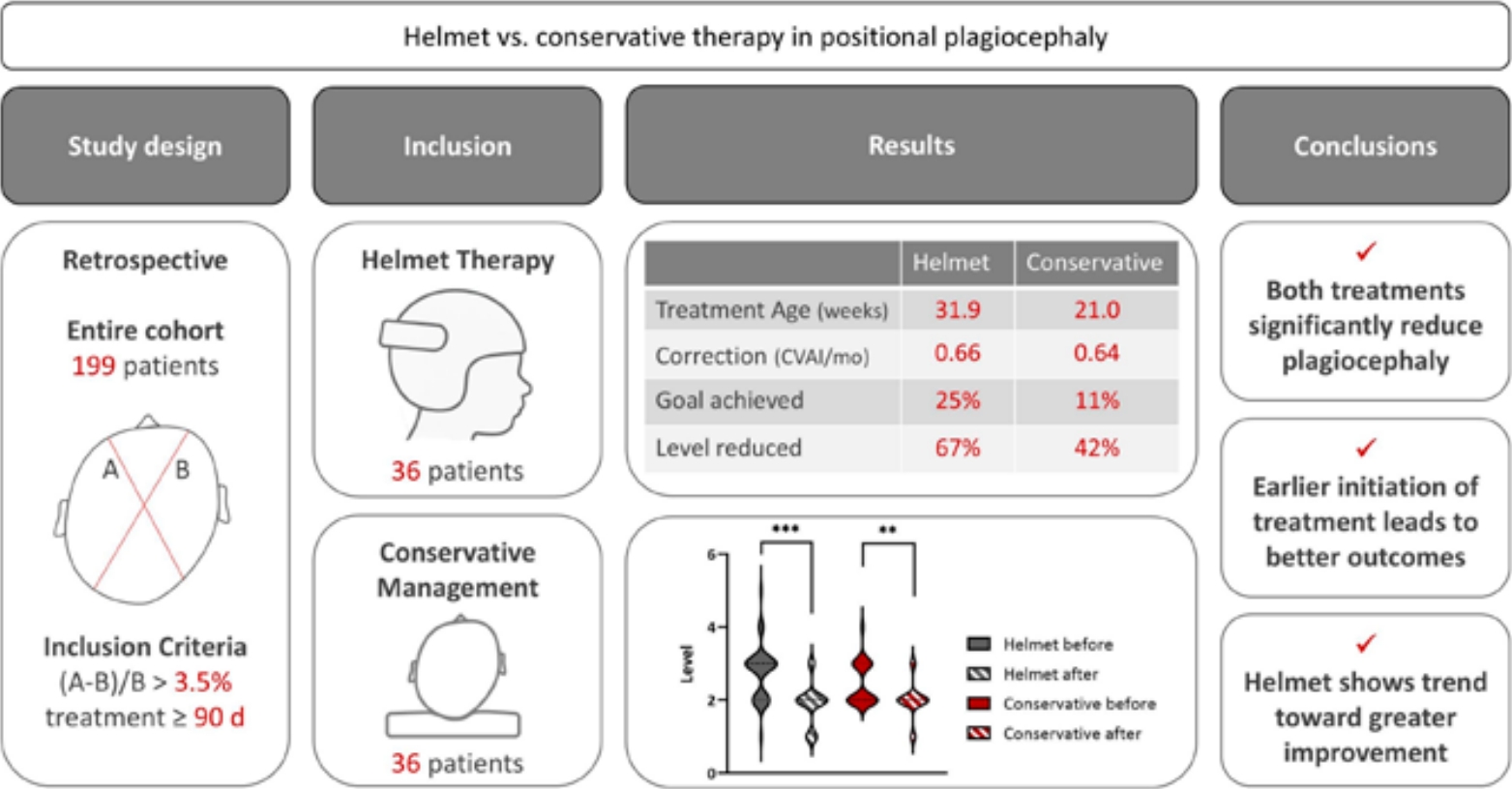
Comparative analysis of goal attainment for helmet therapy versus conservative management for positional plagiocephaly in infants
Bjoern Vogt, Ariane Deutschle, Georg Gosheger, Adrien Frommer, Andrea Laufer, Henning Tretow, Robert Roedl, Gregor Toporowski
Clin Exp Pediatr. 2025;68(11):892-900.   Published online October 2, 2025
Question: Is helmet therapy more effective than conservative management in treating positional plagiocephaly?
Finding: Both approaches reduced cranial asymmetry with comparable correction speed. Helmet therapy showed a trend toward greater severity reduction.
Meaning: Early treatment initiation was the strongest predictor of improvement. Helmet therapy may offer additional benefit in more severe cases.
Review Article
Gastroenterology
Neonatal ichthyosis-sclerosing cholangitis syndrome caused by a novel CLDN1 mutation: a case report and literature review
Upasana Ghosh, Ankit Agrawal, Varunvenkat M. Srinivasan, Rani Manisha, Umesh Shukla, Vikas Jain, Mayank Nilay, Harish Kumar
Clin Exp Pediatr. 2025;68(11):858-867.   Published online October 2, 2025
· Neonatal ichthyosis-sclerosing cholangitis (NISCH) syndrome is a rare autosomal recessive disorder characterized by cholestasis and manifestations such as generalized ichthyosis, alopecia, and dental anomalies.
· The clinical features of NISCH syndrome are distinct and necessitate an early genetic diagnosis.
· The disease phenotype can vary significantly, ranging from no liver involvement and transient neonatal cholestasis to end-stage liver disease.
· Management requires a multidisciplinary approach with long-term follow-up.
General Pediatrics
Bridging the gap: autism spectrum disorder in children in the United States and worldwide: a narrative review
Sandhya J. Kadam, Malika Goel
Clin Exp Pediatr. 2025;68(11):852-857.   Published online October 2, 2025
The prevalence of autism is increasing worldwide. The United States has the highest numbers, likely due to the availability of better treatment options. However, global disparities exist, especially in low-resource settings in which stigma, underdiagnosis, and limited services hinder care. A coordinated international approach emphasizing early screening, inclusive policies, and culturally sensitive support systems can bridge this gap and improve the outcomes for children with autism and their families worldwide.


TOPICS

Browse all articles >

ARTICLE CATEGORY

Browse all articles >

BROWSE ARTICLES
FOR CONTRIBUTORS
ABOUT
Editorial Office
Korean Pediatric Society
#1606 Seocho World Officetel, 19 Seoun-ro, Seocho-ku, Seoul 06732, Korea
Tel: +82-2-3473-7306    Fax: +82-2-3473-7307    E-mail: office@e-cep.org                

Clinical and Experimental Pediatrics is an open access journal. All articles are distributed under the terms of the Creative Commons Attribution NonCommercial License (http://creativecommons.org/licenses/by-nc/4.0/)

Copyright © 2025 by Korean Pediatric Society.      Developed in M2PI