
- Original Article
- Developmental and Behavioral Medicine
- Characteristics of temper tantrums in 1–6-year-old children and impact on caregivers
- Warangkana Prutipaisan, Issarapa Chunsuwan, Tippawan Hansakunachai, Paskorn Sritipsukho
- Clin Exp Pediatr. 2025;68(2):170-177. Published online November 13, 2024
-

Question: What are common tantrum behaviors in preschool children, and how frequently are problematic behaviors observed? Do problematic tantrums have a different emotional impact on caregivers compared to typical tantrums?
Finding: Temper tantrums are common in preschool children, and verbal tantrums are the most common type.
Meaning: Problematic tantrums, defined as tantrums exhibiting aggressive physical behavior, long duration (>15 minutes), or frequent occurrence (>3 days/wk), significantly affected caregivers’ emotions.
- Review Article
- Developmental and Behavioral Medicine
- Screen time among preschoolers: exploring individual, familial, and environmental factors
- Sangha Lee, Donghee Kim, Yunmi Shin
- Clin Exp Pediatr. 2024;67(12):641-650. Published online September 12, 2024
-
This systematic review examined the correlation between screen time and various factors in preschoolers. Findings suggest that media parenting, including setting appropriate media limits, is crucial in protecting against excessive screen exposure. However, limited research has been done on the impact of family and personal factors, particularly with the increasing use of portable devices among young children.
- Effect of pesticide exposure on stunting incidence: a systematic review and meta-analysis
- Sani Rachman Soleman, Yaltafit Abror Jeem, Muhammad Fathi Banna Al Faruqi, Mahdea Kasyiva, Vita Widyasari, Kuswati Kuswati, Nur Aini Djunet, Muflihah Rizkawati, Ety Sari Handayani
- Clin Exp Pediatr. 2024;67(10):510-518. Published online September 24, 2024
-

This review aimed to determine whether pesticide exposure is associated with stunting in children. The 13 included studies agree that pesticide exposure is not correlated with stunting incidence regardless of substance type (organophosphate and pyrethroid). Heterogeneity appeared with age covariate as potential confounding. The evidence of this study is challeng-ing, as the adverse effects of pesticides grossly occurred. The protection of children is warranted for preventing future neurodevelopment issues.
- Original Article
- Developmental and Behavioral Medicine
- Neonatal risk factors associated with autism spectrum disorders: an umbrella review
- Amir Mohammad Salehi, Erfan Ayubi, Salman Khazaei, Ensiyeh Jenabi, Saeid Bashirian, Zohreh Salimi
- Clin Exp Pediatr. 2024;67(9):459-464. Published online July 19, 2024
-

Question: What are the neonatal risk factors for autism spectrum disorder (ASD)?
Findings: Significant effect sizes were observed for congenital heart disease (odds ratio [OR], 1.35), macrosomia (OR, 1.11), low birth weight (OR, 1.63), very low birth weight (OR, 2.25), small for gestational age (OR, 1.17), jaundice (OR, 1.74), male sex (OR, 1.47), and Apgar score (OR, 1.40).
Meaning: These factors were identified as risk factors for ASD.
- Review Article
- Developmental and Behavioral Medicine
- Comprehensive evaluation of the child with global developmental delays or intellectual disability
- Abdullah Nasser Aldosari, T. Saeed Aldosari
- Clin Exp Pediatr. 2024;67(9):435-446. Published online May 29, 2024
-

· A detailed history and comprehensive physical examination remain the cornerstones for establishing a diagnosis of global developmental delay/intellectual disability (GDD/ID).
· Comprehensive surveillance and screening programs play a significant role in the early detection of GDD.
· Whole-exome sequencing is highly recommended as first- or second-line testing for individuals with idiopathic GDD/ID.
· Early intervention by a well-versed multidisciplinary team can significantly improve the outcomes and prognosis of GDD/ID.
- Letter to the Editor
- Developmental and Behavioral Medicine
- Efficacy of social skills group intervention among children with mild autism spectrum disorder
- Lee Ling Low, Ker Yang Chua, Bih Hwa Ching
- Clin Exp Pediatr. 2024;67(7):368-370. Published online May 31, 2024
-

- Original Article
- Developmental and Behavioral Medicine
- Effectiveness of online responsive teaching in young children with developmental disabilities: a pilot study
- Jung Sook Yeom, Jeongmee Kim
- Clin Exp Pediatr. 2024;67(6):303-311. Published online May 21, 2024
-

Question: Does online responsive teaching (RT) impact children's and parents’ emotions and behaviors, and do parents find it satisfactory?
Finding: Online RT significantly improved children's pivotal and problem behaviors, decreased parenting stress, and enhanced parental interactive styles with high satisfaction.
Meaning: This pilot study's findings suggest that online RT can enhance child outcomes, offering accessible interventions amid challenges such as limited access and pandemics.
- Review Article
- Developmental and Behavioral Medicine
- Clinical practice guidelines for attention-deficit/hyperactivity disorder: recent updates
- Tae Hoon Eom, Young-Hoon Kim
- Clin Exp Pediatr. 2024;67(1):26-34. Published online June 14, 2023
-
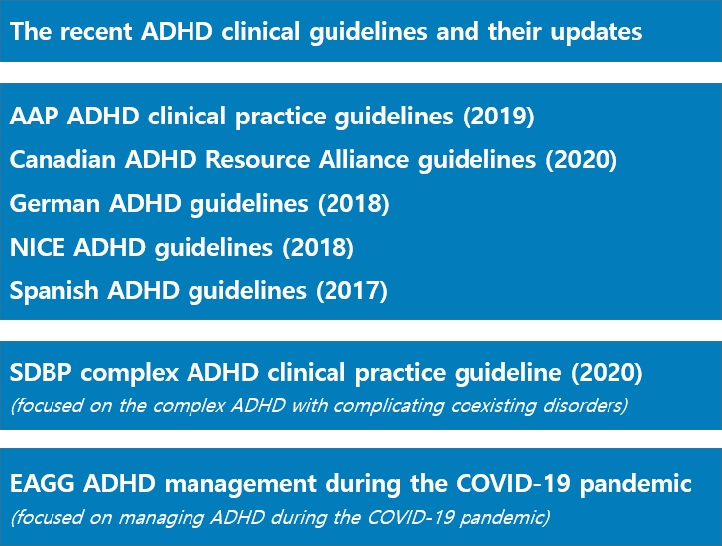
· Primary pediatricians should play a key role in the diagnosis and treatment of attention-deficit/hyperactivity disorder (ADHD).
· The Diagnostic and Statistical Manual of Mental Disorders, fifth edition, has lowered the diagnostic threshold for older teens and adults and a comorbid diagnosis with autism is now allowed.
· The American Academy of Pediatrics had added recommendation-related comorbid conditions in its guideline and the Society of Developmental and Behavioral Pediatrics recently developed a complex ADHD guideline.
· The European ADHD Guideline Group recently developed a guideline for managing ADHD during the coronavirus disease 2019 pandemic.
- Original Article
- Developmental and Behavioral Medicine
- Attention-deficit/hyperactive-impulsive disorder symptoms among grade 1 students with reading disorder in Thailand
- Patcharapun Sarisuta, Issarapa Chunsuwan, Tippawan Hansakunachai, Paskorn Sritipsukho
- Clin Exp Pediatr. 2023;66(11):485-492. Published online October 24, 2023
-

Question: Would students with reading disorder have a significantly higher prevalence of attention-deficit/hyperactiveimpulsive disorder (ADHD) symptoms than neurotypical students?
Finding: Students at risk of reading disorder exhibited significant ADHD symptoms compared with those not at risk of reading disorder according to all presentations of teacher assessments versus only for predominantly inattentive presentations of the parental assessments.
Meaning: Students with reading disorder have a significantly higher prevalence of ADHD symptoms than neurotypical students. Sex, parental education level, average family income, and children’s school affiliation significantly influenced reading disorder prevalence.
- Review Article
- Developmental and Behavioral Medicine
- Spontaneous movements as prognostic tool of neurodevelopmental outcomes in preterm infants: a narrative review
- Hyun Iee Shin, Myung Woo Park, Woo Hyung Lee
- Clin Exp Pediatr. 2023;66(11):458-464. Published online May 16, 2023
-
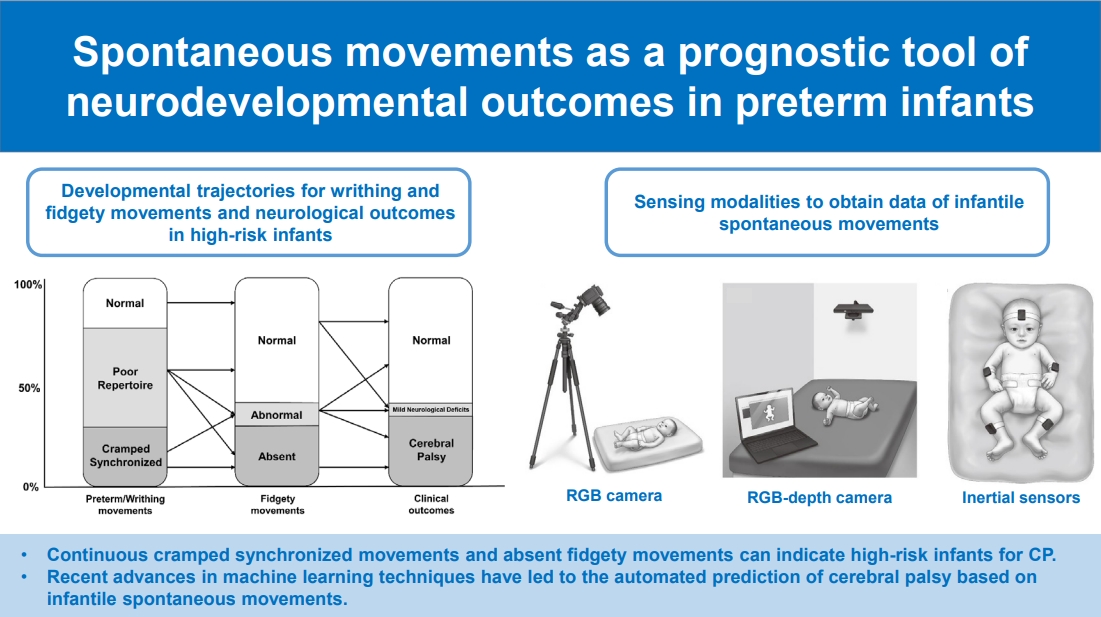
· Spontaneous movements can be useful to evaluate neuronal integrity in preterm infants.
· In General Movements Assessment, continuous cramped synchronized movements and absent fidgety movements can indicate high-risk infants for cerebral palsy.
· Recent advances in machine learning techniques have led to the automated prediction of cerebral palsy based on infantile spontaneous movements.
- Original Article
- Developmental and Behavioral Medicine
- Impact of short and intensive art-based intervention on symptomatology and social interactions among children with autism spectrum disorder
- Deldar Morad Abdulah, Bayar Mohammed Omar Abdulla, Pranee Liamputtong
- Clin Exp Pediatr. 2023;66(10):447-454. Published online September 14, 2023
-
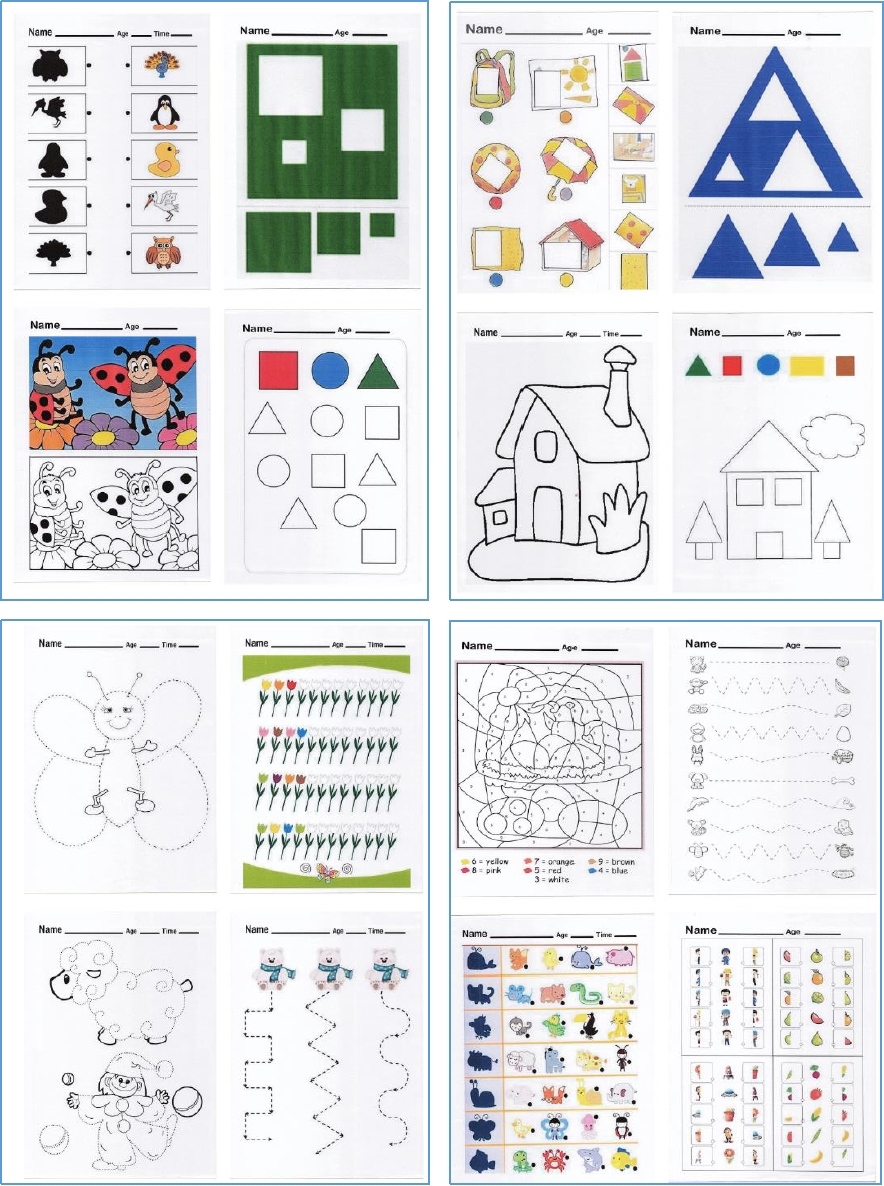
Question: Does a short and intensive art-based intervention affect symptoms and social interactions among children with autism spectrum disorder (ASD)?
Finding: The short and intensive art-based intervention did not affect symptoms in children with ASD level 2 or 3, including social awareness, social cognition, social communication, social motivation, and autistic mannerisms.
Meaning: The short and intensive art-based intervention did not improve the symptoms of patients with ASD.
- Neonatal risk factors associated with attention-deficit/hyperactivity disorder: an umbrella review
- Ensiyeh Jenabi, Erfan Ayubi, Sajjad Farashi, Saeid Bashirian, Fereshteh Mehri
- Clin Exp Pediatr. 2023;66(10):441-446. Published online July 14, 2023
-
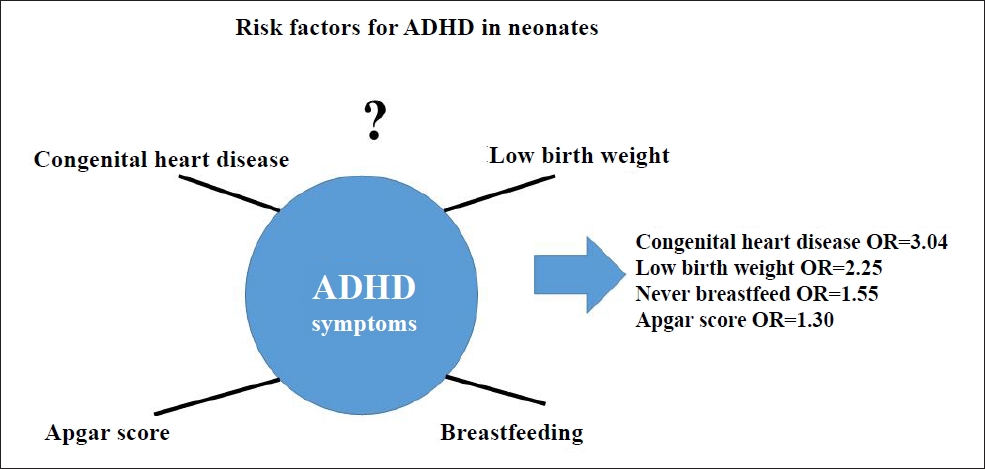
Question: The risk factors for attention deficit hyperactivity disorder (ADHD), such as breastfeeding, congenital heart disease, and low birth weight, in neonates are not well understood.
Finding: This umbrella review obtained significant effect sizes for ADHD for congenital heart disease (odds ratio [OR], 3.04), low birth weight (OR, 2.25), never breastfed (OR, 1.55), and Apgar score (OR, 1.30).
Meaning: Congenital heart disease, low birth weight, lack of breastfeeding, and Apgar scores were significant factors for ADHD.
- Letter to the Editor
- Developmental and Behavioral Medicine
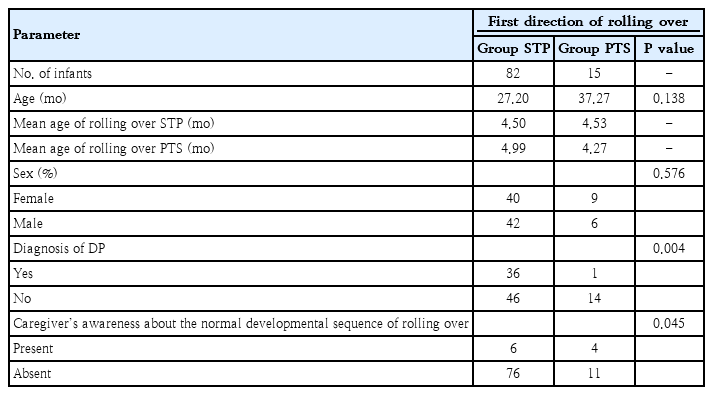
- Effect of rolling over pattern and caregiver perception on plagiocephaly in Korean infants
- Jin A Yoon, Soo-Yeon Kim, Yong Beom Shin
- Clin Exp Pediatr. 2023;66(6):272-273. Published online May 24, 2023
-
- Original Article
- Developmental and Behavioral Medicine
- Parenting stress and interactive engagement behaviors in children with developmental delay
- Jung Sook Yeom, Rock Bum Kim, Jae Young Cho, Ji Sook Park, Eun Sil Park, Ji-Hyun Seo, Jae-Young Lim, Hyang-Ok Woo
- Clin Exp Pediatr. 2023;66(6):252-261. Published online May 19, 2023
-
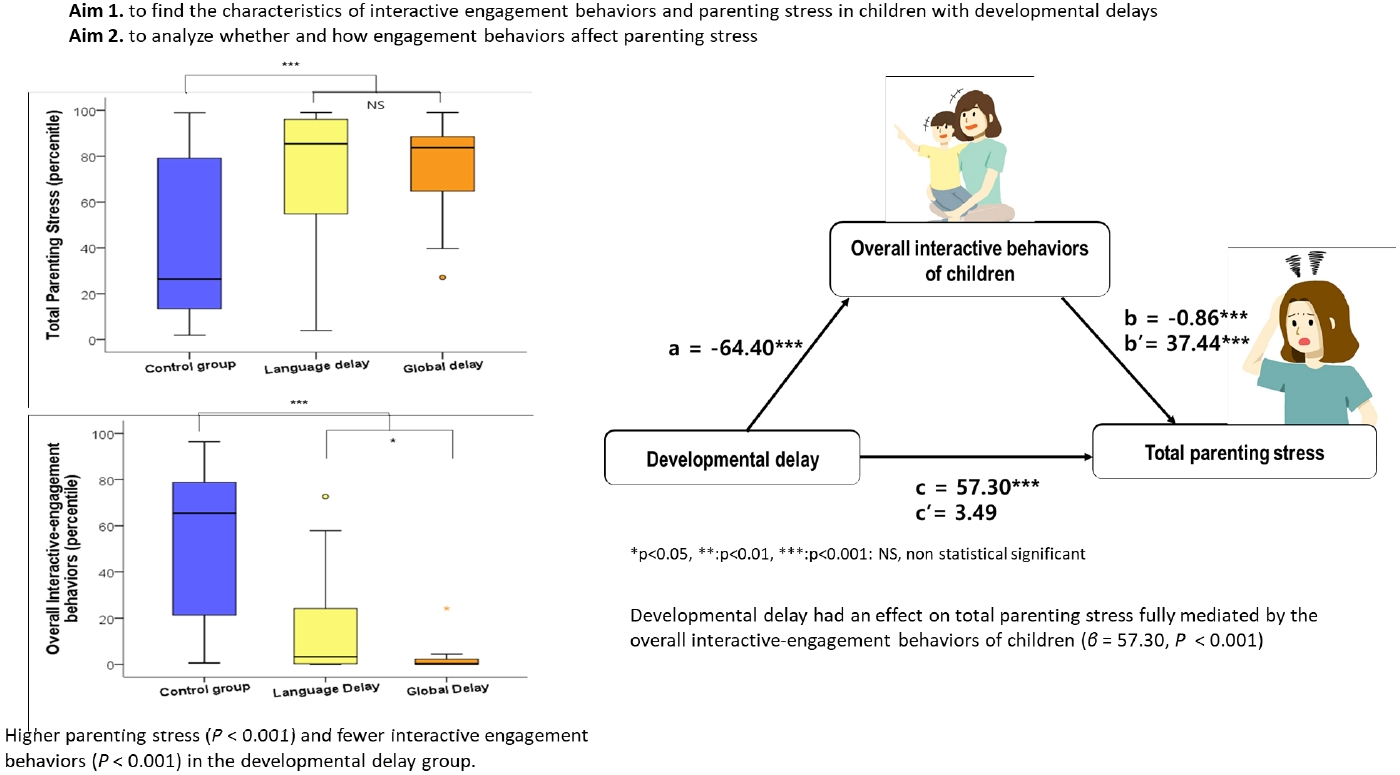
· Question: What level of parenting stress is experienced by parents of children with developmental delays (DDs) without autism spectrum disorder, and what factors contribute to it?
· Findings: Parents of children with DDs experienced high parenting stress that were significantly mediated by their children’s low interactive behaviors.
· Meaning: The interactive behaviors of children with DDs mediate parenting stress.
- Letter to the Editor
- Developmental and Behavioral Medicine
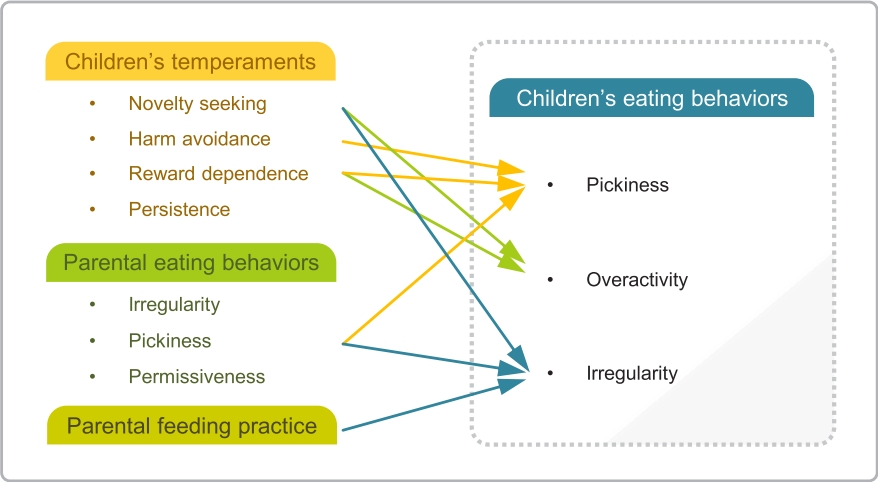
- The influence of parental eating behaviors, child-feeding practices, and infants’ temperaments upon infants’ eating behaviors
- Goh Woon Lim, Kyoung Min Shin
- Clin Exp Pediatr. 2022;65(9):466-468. Published online June 27, 2022
-
- Original Article
- Developmental and Behavioral Medicine
- Effectiveness of obesity interventions among South Korean children and adolescents and importance of the type of intervention component: a meta-analysis
- Siyoung Choe, Jaesin Sa, Jean-Philippe Chaput, Deokjin Kim
- Clin Exp Pediatr. 2022;65(2):98-107. Published online November 23, 2021
-
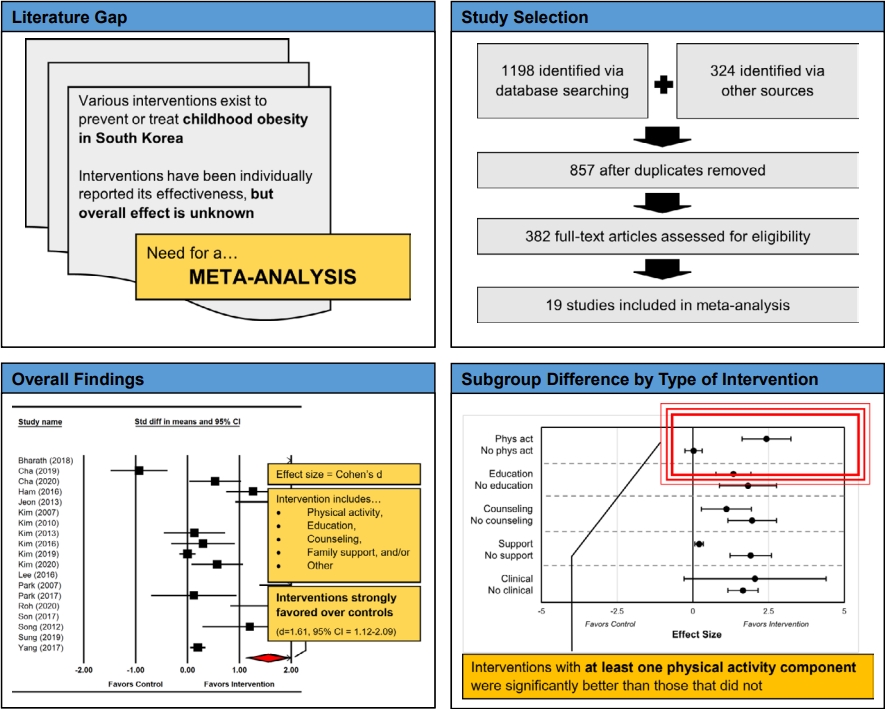
Question: What is the overall effect of obesity interventions among Korean children and what affects their effectiveness?
Finding: Interventions were strongly favored over controls. Interventions including at least one physical activity component were significantly better than those that did not. Sex, age, baseline weight category, intervention duration, and the number of intervention components were not significant.
Meaning: Future obesity interventions for Korean children must seek to include physical activity components.
- Is meconium exposure associated with autism spectrum disorders in children?
- Ensiyeh Jenabi, Erfan Ayubi, Salman Khazaei, Saeid Bashirian, Mojtaba Khazaei
- Clin Exp Pediatr. 2021;64(7):341-346. Published online October 4, 2020
-

• Meconium exposure is weakly associated with an increased risk of autism spectrum disorder (ASD) development in children.
• More evidence based on large prospective cohort studies is required to conclude whether meconium exposure is associated with an increased risk of ASD.
- Development of the Korean Developmental Screening Test for Infants and Children (K-DST)
- Hee Jung Chung, Donghwa Yang, Gun-Ha Kim, Sung Koo Kim, Seoung Woo Kim, Young Key Kim, Young Ah Kim, Joon Sik Kim, Jin Kyung Kim, Cheongtag Kim, In-Kyung Sung, Son Moon Shin, Kyung Ja Oh, Hee-Jeong Yoo, Hee Joon Yu, Seoung-Joon Lim, Jeehun Lee, Hae-Ik Jeong, Jieun Choi, Jeong-Yi Kwon, Baik-Lin Eun
- Clin Exp Pediatr. 2020;63(11):438-446. Published online May 14, 2020
-
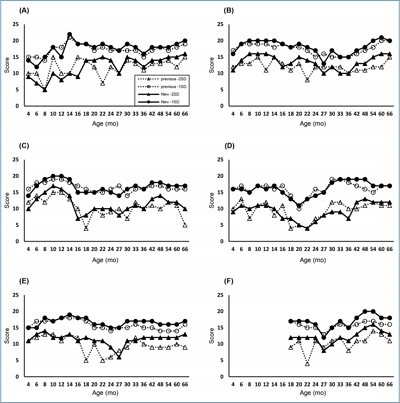
Question: Can the Korean Developmental Screening Test for Infants and Children (K-DST) be a useful screening tool for infants and children in Korea?
Finding: The K-DST has high reliability (internal consistency of 0.73–0.93, test-retest reliability of 0.77–0.88) and a high discriminatory ability with a sensitivity of 0.833 and specificity of 0.979.
Meaning: The K-DST is an effective and reliable screening tool for infants and children with neurodevelopmental disorders in Korea.
- Effect of omega-3 plus methylphenidate as an alternative therapy to reduce attention deficit-hyperactivity disorder in children
- Soleiman Mohammadzadeh, Narmin Baghi, Fayegh Yousefi, Bahar Yousefzamani
- Clin Exp Pediatr. 2019;62(9):360-366. Published online May 20, 2019
-
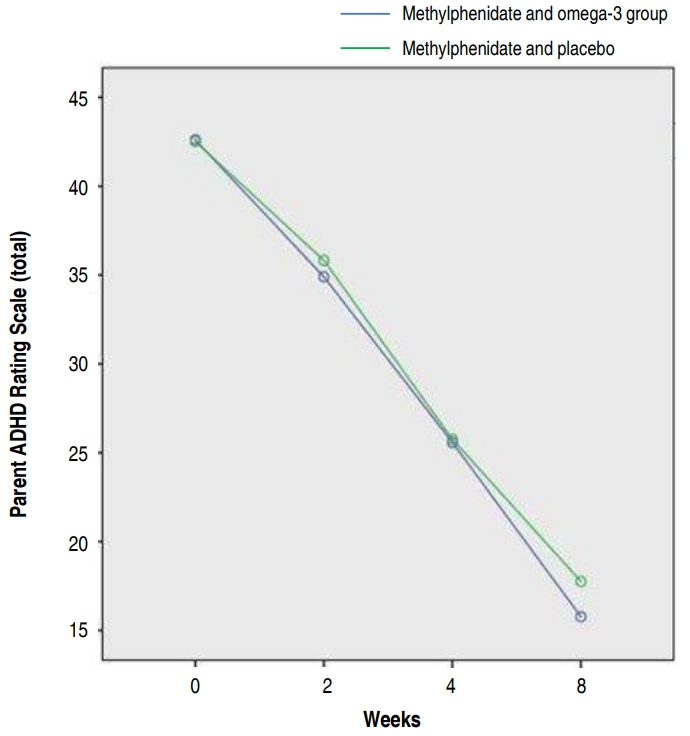
Background: Attention deficit-hyperactivity disorder (ADHD) is one of the most common chronic behavioral disorders in school-aged children.
Purpose: This study aimed to evaluate the effect of omega-3 supplementation as an alternative therapy for ADHD, which can be caused by vitamin and mineral deficiencies. Methods: This was a double-blinded clinical trial study. Sixty-six children with ADHD (aged 6–12 years) referred to our child...
- Validity of the Korean Developmental Screening Test for very-low-birth-weight infants
- Chae Young Kim, Euiseok Jung, Byong Sop Lee, Ki-Soo Kim, Ellen Ai-Rhan Kim
- Clin Exp Pediatr. 2019;62(5):187-192. Published online March 20, 2019
-

Purpose: The importance of the neurodevelopmental outcomes of very-low-birth-weight (VLBW) infants has been emphasized as their mortality rate has markedly improved. This study aimed to assess the validity of the Korean Developmental Screening Test (K-DST), a developmental screening tool approved by the Korean Society of Pediatrics, for the timely diagnosis of neurodevelopmental delay in VLBW infants. Methods: Subjects included VLBW infants...
- Mid-upper-arm circumference as a screening measure for identifying children with elevated body mass index: a study for Pakistan
- Muhammad Asif, Muhammad Aslam, Saima Altaf
- Clin Exp Pediatr. 2018;61(1):6-11. Published online January 22, 2018
-

Purpose Mid-upper-arm circumference (MUAC) is considered an alternative screening method for obesity. The aims of this investigation were to examine the ability of MUAC to correctly identify children with elevated body mass index (BMI) and to determine the best MUAC cutoff point for identification of children with high BMI.
Methods Anthropometric measurements (height, weight, and MUAC) from a cross-sectional sample of 7,921 Pakistani...
- Usefulness of the Korean Developmental Screening Test for infants and children for the evaluation of developmental delay in Korean infants and children: a single-center study
- Chung-Hyuk Yim, Gun-Ha Kim, Baik-Lin Eun
- Clin Exp Pediatr. 2017;60(10):312-319. Published online October 20, 2017
-
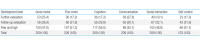
Purpose To evaluate the usefulness of the Korean Developmental Screening Test (K-DST) for infants and children for developmental delay assessment.
Methods This study was based on retrospective studies of the results of the K-DST, Preschool Receptive-Expressive Language Scale (PRES), Sequenced Language Scale for Infants (SELSI), Childhood Autism Rating Scale (CARS), Modified Checklist for Autism in Toddlers (M-CHAT), electroencephalography, magnetic resonance imaging, and extensive...
- Application of array comparative genomic hybridization in Korean children under 6 years old with global developmental delay
- Kyung Yeon Lee, Eunsim Shin
- Clin Exp Pediatr. 2017;60(9):282-289. Published online September 21, 2017
-
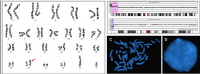
Purpose Recent advancements in molecular techniques have greatly contributed to the discovery of genetic causes of unexplained developmental delay. Here, we describe the results of array comparative genomic hybridization (CGH) and the clinical features of 27 patients with global developmental delay.
Methods We included 27 children who fulfilled the following criteria: Korean children under 6 years with global developmental delay; children who had...
- Behavioral and intelligence outcome in 8- to 16-year-old born small for gestational age
- Kyung Hee Yi, Yoon Young Yi, Il Tae Hwang
- Clin Exp Pediatr. 2016;59(10):414-420. Published online October 17, 2016
-
Purpose We investigated behavioral problems, attention problems, and cognitive function in children and adolescents born small for gestational age (SGA).
Methods Forty-six SGA children born at term and 46 appropriate for gestational age (AGA) children born at term were compared. Psychiatric symptoms were examined with reference to the Korean-Child Behavior Checklist, Korean-Youth Self Report, and Attention Deficit Hyperactivity Disorder Rating Scale (ADHD-RS). Cognitive...