- Original Article
- Infection
- Clinical characteristics of pediatric patients infected with SARS-CoV-2 versus common human coronaviruses: a national multicenter study
-
In Suk Sol, Eun Lee, Hyeon-Jong Yang, Yong Ju Lee, Hye Yung Yum, Mi-Hee Lee, Mi Ae Chu, Hui Jeong Moon, Hyo-Bin Kim, Ju Hee Seo, Jung Yeon Shim, Ji Young Ahn, Yoon Young Jang, Hai Lee Chung, Eun Hee Chung, Kyunghoon Kim, Bong-Seong Kim, Cheol Hong Kim, Yang Park, Meeyong Shin, Kyung Suk Lee, Man Yong Han, Soo-Jong Hong, Eun Kyeong Kang, Chang Keun Kim; on behalf of The Pneumonia & Respiratory Disease Study Group of Korean Academy of Pediatric Allergy and Respiratory Disease
-
Clin Exp Pediatr. 2023;66(3):134-141. Published online December 22, 2022
-
|
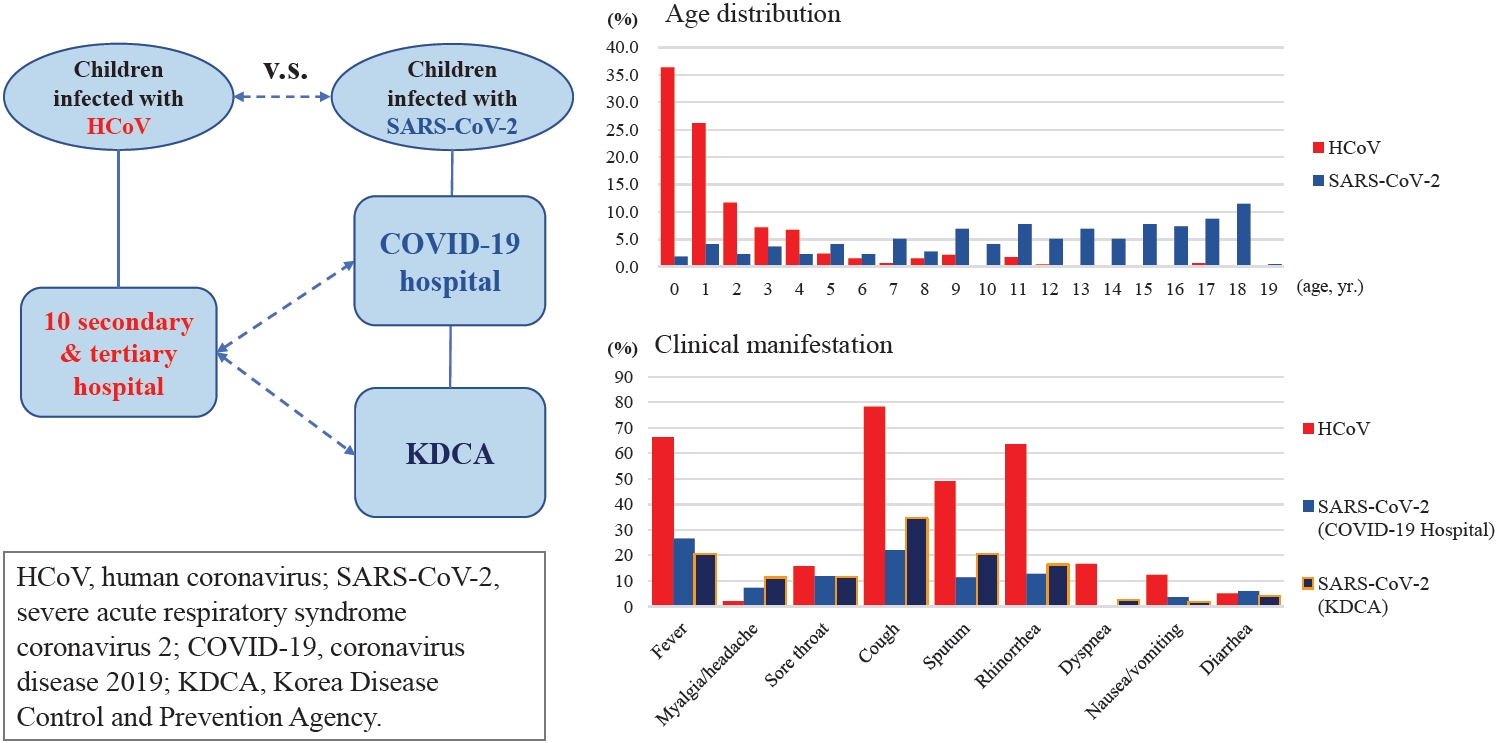
Question: The clinical differences between severe acute respiratory syndrome coronavirus-2 (SARS-CoV-2) and human coronaviruses (HCoV) in children remain unknown.
Finding: This study compared the clinical findings of children infected with SARS-CoV-2 versus HCoV. Its findings suggest that children and adolescents with SARS-CoV-2 have a milder clinical course than those with HCoV.
Meaning: The clinical course of children and adolescents with SARS-CoV-2 should be closely monitored during the coronavirus disease 2019 pandemic. |
-
-
- Allergy
- Influence of age at complementary food introduction on the development of asthma and atopic dermatitis in Korean children aged 1–3 years
-
Jihyun Lee, Meeyong Shin, Bora Lee
-
Clin Exp Pediatr. 2021;64(8):408-414. Published online November 1, 2020
-
|
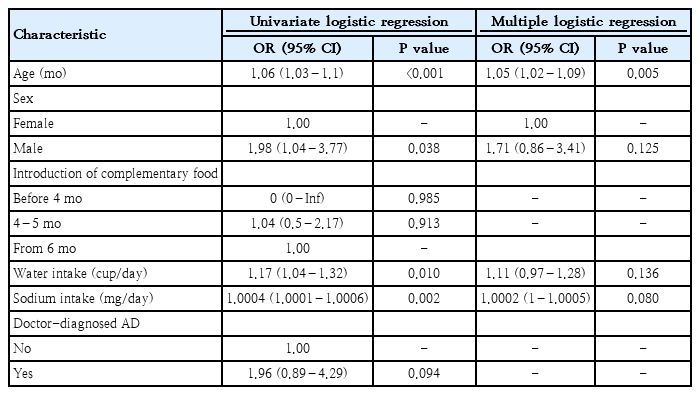
Question: Is age at the time of complementary food introduction associated with asthma and atopic dermatitis (AD) in early childhood?
Finding: We found no significant association between age at the time of complementary food introduction and the incidence of AD and asthma in Koreans aged 1–3 years.
Meaning: Our findings suggest that the influence of individual allergenic foods on the development of AD and asthma should be clarified. |
-
-
- Review Article
- Allergy
- Food allergies and food-induced anaphylaxis: role of cofactors
-
Meeyong shin
-
Clin Exp Pediatr. 2021;64(8):393-399. Published online November 12, 2020
-
|
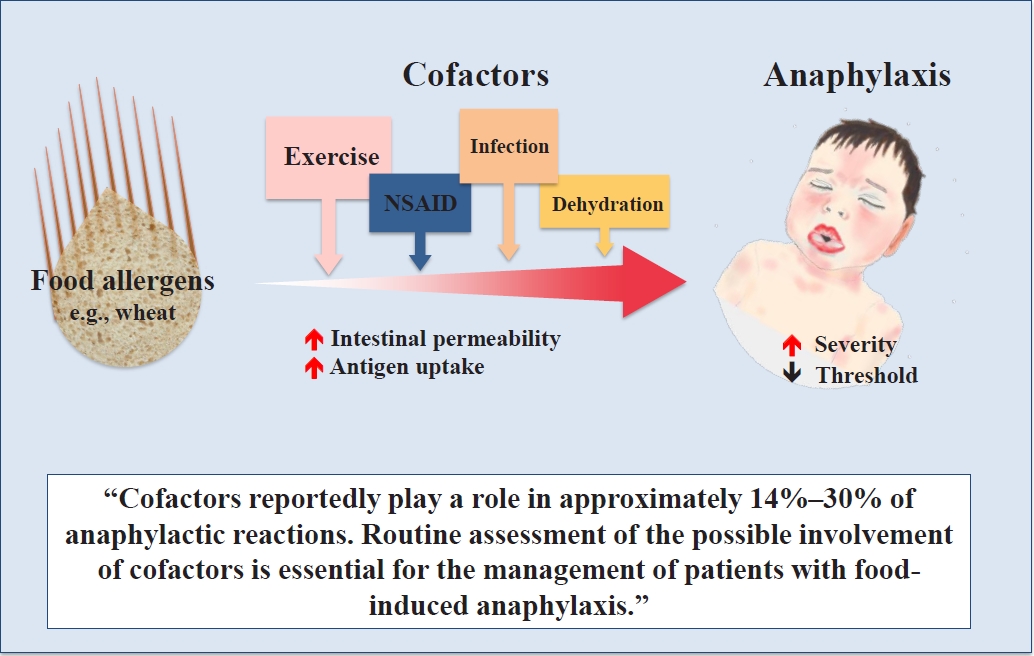
Question: What are the roles of cofactors in food allergies and food-induced anaphylaxis?
Finding: Cofactors reportedly play a role in approximately 14%–30% of anaphylactic reactions. Cofactors such as exercise, infection, nonsteroidal anti-inflammatory drugs, dehydration, and alcohol can increase intestinal permeability and antigen uptake, thereby causing allergic symptoms.
Meaning: Routine assessment of the possible involvement of cofactors is essential for the management of patients with food-induced anaphylaxis. |
-
-
|