- Original Article
- Neurology
- Long-term outcome in children with infantile epileptic spasms syndrome: a multicenter retrospective study in Korea
-
Sun Ah Choi, Minhye Kim, Hye Jin Kim, Woo Joong Kim, Byung Chan Lim, Ji Yeon Han, Hunmin Kim, Min-Jee Kim, Mi-Sun Yum, Jiwon Lee, Jeehun Lee, Hyewon Woo, Jon Soo Kim
-
Clin Exp Pediatr. 2026;69(5):386-393. Published online February 19, 2026
-

|
Question: How have epilepsy and cognitive outcomes of children with infantile epileptic spasms syndrome (IESS) evolved over the past 20 years?
Finding: Approximately 78% of children developed chronic epilepsy, and one-third progressed to drug-resistant epilepsy, while 90% of them exhibited intellectual disabilities.
Meaning: Given the poor outcomes associated with IESS, consensus guidelines tailored to Korean clinical practice are required to ensure timely treatment and improve outcomes. |
-
-
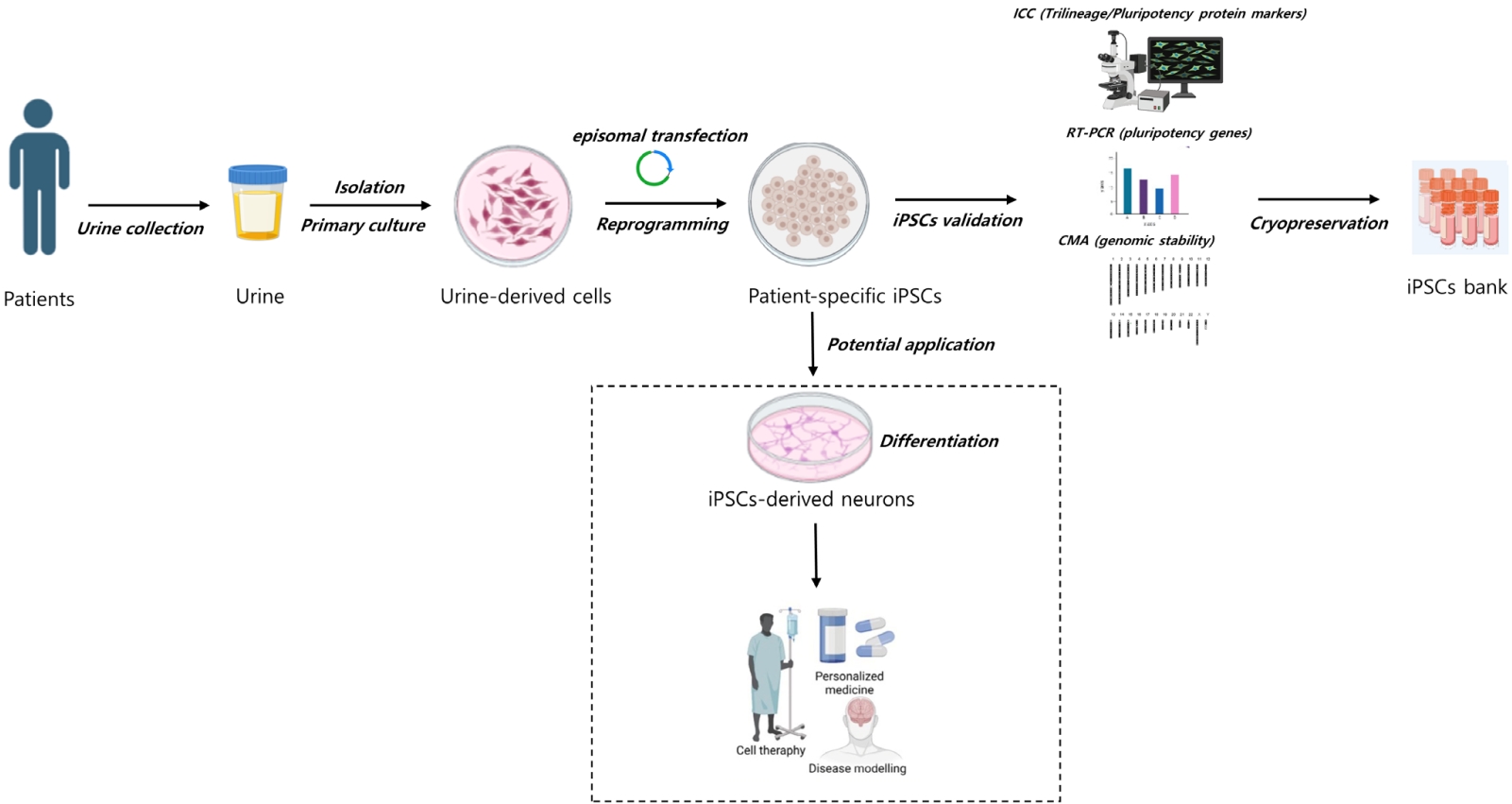
- Establishing an induced pluripotent stem cell bank using urine cells from pediatric patients with neurogenetic diseases
-
Hien Bao Dieu Thai, WonWoo Jung, Sol Choi, Woo Joong Kim, JangSup Moon, ByungChan Lim
-
Clin Exp Pediatr. 2025;68(8):569-577. Published online April 1, 2025
-
|
Question: What can be used to create a reliable supply of somatic cells for induced pluripotent stem cells (iPSCs) generation and standardize procedures for building an iPSC bank for researching pediatric neurogenetic disorders?
Findings: Noninvasively acquired urine cells are a desirable cell source for iPSC reprogramming.
Meaning: An iPSC bank can be created from diverse patient cell sources and offer a useful resource for translating research results into clinical therapy for pediatric neurogenetic disorders. |
-
-
|