
Topics
- Page Path
-
- HOME
- TOPICS
- Topics
- Topics
-
- Adolescence Medicine (3)
- Allergy (52)
- Cardiology (76)
- Critical Care Medicine (8)
- Developmental and Behavioral Medicine (17)
- Emergency Medicine (5)
- Endocrinology (51)
- Gastroenterology (57)
- General Pediatrics (37)
- Genetics and Metabolism (20)
- Hematology (11)
- Immunology (12)
- Infection (66)
- Neonatology (Perinatology) (103)
- Nephrology (Genitourinary) (49)
- Neurology (88)
- Nutrition (25)
- Oncology (15)
- Neurobehavior (11)
- Pulmonology (25)
- Rheumatology (2)
- Other (28)
- Review Article
- Neonatology (Perinatology)
- Fetal and preterm infant microbiomes: a new perspective of necrotizing enterocolitis
- Yong-Sung Choi, In Gyu Song
- Clin Exp Pediatr. 2017;60(10):307-311. Published online October 20, 2017
-
Necrotizing enterocolitis (NEC) is a devastating condition of hospitalized preterm infants. Numerous studies have attempted to identify the cause of NEC by examining the immunological features associated with pathogenic microorganisms. No single organism has proven responsible for the disease; however, immunological studies are now focused on the microbiome. Recent research has investigated the numerous bacterial species residing in the body...
- Original Article
- Neurology
- Serum neuron specific enolase is increased in pediatric acute encephalitis syndrome
- Dian Pratamastuti, Prastiya Indra Gunawan, Darto Saharso
- Clin Exp Pediatr. 2017;60(9):302-306. Published online September 21, 2017
-
Purpose This study aimed to investigate whether serum neuron-specific enolase (NSE) was expressed in acute encephalitis syndrome (AES) that causes neuronal damage in children.
Methods This prospective observational study was conducted in the pediatric neurology ward of Soetomo Hospital. Cases of AES with ages ranging from 1 month to 12 years were included. Cases that were categorized as simple and complex febrile seizures...
- Pulmonology
- Comparison of cytokine expression profiles in infants with a rhinovirus induced lower respiratory tract infection with or without wheezing: a comparison with respiratory syncytial virus
- Da Eun Roh, Sook-Hyun Park, Hee Joung Choi, Yeo Hyang Kim
- Clin Exp Pediatr. 2017;60(9):296-301. Published online September 21, 2017
-
Purpose The aim of this study was to evaluate whether infants with rhinovirus (RV) infection-induced wheezing and those with respiratory syncytial virus (RSV) infection-induced wheezing have different cytokine profiles in the acute stage.
Methods Of the infants with lower respiratory tract infection (LRTI) between September 2011 and May 2012, 88 were confirmed using reverse transcription polymerase chain reaction and hospitalized. Systemic interferon-gamma (IFN-γ),...
- Allergy
- Accuracy of maximal expiratory flow-volume curve curvilinearity and fractional exhaled nitric oxide for detection of children with atopic asthma
- Sang Hoo Park, Min Ji Im, Sang-Yong Eom, Youn-Soo Hahn
- Clin Exp Pediatr. 2017;60(9):290-295. Published online September 21, 2017
-
Purpose Airway pathology in children with atopic asthma can be reflected by the concave shape of the maximal expiratory flow-volume (MEFV) curve and high fractional exhaled nitric oxide (FeNO) values. We evaluated the capacity of the curvilinearity of the MEFV curve, FeNO, and their combination to distinguish subjects with atopic asthma from healthy individuals.
Methods FeNO and angle β, which characterizes the general...
- Developmental and Behavioral Medicine
- Application of array comparative genomic hybridization in Korean children under 6 years old with global developmental delay
- Kyung Yeon Lee, Eunsim Shin
- Clin Exp Pediatr. 2017;60(9):282-289. Published online September 21, 2017
-
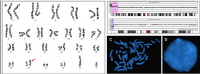
Purpose Recent advancements in molecular techniques have greatly contributed to the discovery of genetic causes of unexplained developmental delay. Here, we describe the results of array comparative genomic hybridization (CGH) and the clinical features of 27 patients with global developmental delay.
Methods We included 27 children who fulfilled the following criteria: Korean children under 6 years with global developmental delay; children who had...
- Review Article
- Neonatology (Perinatology)
- Update of minimally invasive surfactant therapy
- Gyu-Hong Shim
- Clin Exp Pediatr. 2017;60(9):273-281. Published online September 21, 2017
-
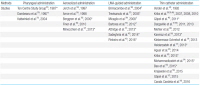
To date, preterm infants with respiratory distress syndrome (RDS) after birth have been managed with a combination of endotracheal intubation, surfactant instillation, and mechanical ventilation. It is now recognized that noninvasive ventilation (NIV) such as nasal continuous positive airway pressure (CPAP) in preterm infants is a reasonable alternative to elective intubation after birth. Recently, a meta-analysis of large controlled trials...
- Original Article
- Neurology
- Clinical characteristics of hypertensive encephalopathy in pediatric patients
- Chang Hoon Ahn, Seung-A Han, Young Hwa Kong, Sun Jun Kim
- Clin Exp Pediatr. 2017;60(8):266-271. Published online August 14, 2017
-
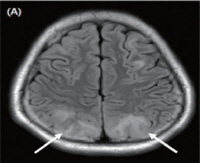
Purpose The aim of this study was to assess the clinical characteristics of hypertensive encephalopathy according to the underlying etiologies in children.
Methods We retrospectively evaluated 33 pediatric patients who were diagnosed as having hypertensive encephalopathy in Chonbuk National University Children's Hospital. Among the patients, 18 were excluded because of incomplete data or because brain magnetic resonance imaging (MRI) was not performed. Finally,...
- Gastroenterology
- Characteristics and prognosis of hepatic cytomegalovirus infection in children: 10 years of experience at a university hospital in Korea
- Chae-Yeon Min, Joo Young Song, Su Jin Jeong
- Clin Exp Pediatr. 2017;60(8):261-265. Published online August 14, 2017
-
Purpose Studies on cytomegalovirus (CMV) infections in immunocompetent children are lacking, and minimal information is available in the medical literature on hepatic manifestations and complications of CMV. The aims of this study were to evaluate the clinical characteristics, laboratory data, and prognosis of children with CMV hepatitis, and to investigate its prevalence at a single medical center in Korea over a...
- Infection
- The impact of an educational intervention on parents' decisions to vaccinate their <60-month-old children against influenza
- Aery Choi, Dong Ho Kim, Yun Kyung Kim, Byung Wook Eun, Dae Sun Jo
- Clin Exp Pediatr. 2017;60(8):254-260. Published online August 14, 2017
-
Purpose Seasonal influenza can be prevented by vaccination. Disease prevention in children aged <60 months is of particular importance because of the associated familial and societal burden. Considering that caretakers make the decision to vaccinate their children, the identification of drivers and barriers to vaccination is essential to increase influenza vaccination coverage.
Methods A total of 639 parents participated in the pre- and...
- Neonatology (Perinatology)
- Effects of cord blood vitamin D levels on the risk of neonatal sepsis in premature infants
- Birgul Say, Nurdan Uras, Suzan Sahin, Halil Degirmencioglu, Serife Suna Oguz, Fuat Emre Canpolat
- Clin Exp Pediatr. 2017;60(8):248-253. Published online August 14, 2017
-
Purpose Vitamin D plays a key role in immune function. Vitamin D deficiency may play a role in the pathogenesis of infections, and low levels of circulating vitamin D are strongly associated with infectious diseases. In this study, we aimed to evaluate the effects of low vitamin D levels in cord blood on neonatal sepsis in preterm infants.
Methods One hundred seventeen premature...
- Editorial
- Infection
- Additional corticosteroids or alternative antibiotics for the treatment of macrolide-resistant
Mycoplasma pneumoniae pneumonia - Eun-Ae Yang, Kyung-Yil Lee
- Clin Exp Pediatr. 2017;60(8):245-247. Published online August 14, 2017
-
- Review Article
- Cardiology
- Recent advances in pediatric interventional cardiology
- Seong-Ho Kim
- Clin Exp Pediatr. 2017;60(8):237-244. Published online August 14, 2017
-
During the last 10 years, there have been major technological achievements in pediatric interventional cardiology. In addition, there have been several advances in cardiac imaging, especially in 3-dimensional imaging of echocardiography, computed tomography, magnetic resonance imaging, and cineangiography. Therefore, more types of congenital heart diseases can be treated in the cardiac catheter laboratory today than ever before. Furthermore, lesions previously...
- Case Report
- Pulmonology
- A pediatric case of relapsed pulmonary alveolar proteinosis despite successful whole lung lavage
- Seung Young Jin, Hye Ri Yun, Yun Jung Choi, Jun Dong Park, Jin Tae Kim, Chang Hyun Kang, Young Sik Park, Young Hun Choi, Woo Sun Kim, Dong In Suh
- Clin Exp Pediatr. 2017;60(7):232-236. Published online July 31, 2017
-
Pulmonary alveolar proteinosis (PAP) is a rare disease in children characterized by intra-alveolar accumulation of surfactant proteins, which severely reduces gaseous exchange. Whole lung lavage (WLL) is the preferred technique for the treatment of severe PAP. Herein, we present a pediatric case of PAP treated with WLL. An 11-year-old boy was admitted with the chief complaint of a dry cough...
- Original Article
- Neurology
- Effects of low-dose topiramate on language function in children with migraine
- Seung-A Han, Eu Jeen Yang, Younghwa Kong, Chan-Uhng Joo, Sun Jun Kim
- Clin Exp Pediatr. 2017;60(7):227-231. Published online July 31, 2017
-
Purpose This study aimed to verify the safety of low-dose topiramate on language development in pediatric patients with migraine.
Methods Thirty newly diagnosed pediatric patients with migraine who needed topiramate were enrolled and assessed twice with standard language tests, including the Test of Language Problem Solving Abilities (TOPs), Receptive and Expressive Vocabulary Test, Urimal Test of Articulation and Phonology, and computerized speech laboratory...
- Infection
- Uropathogenic
Escherichia coli ST131 in urinary tract infections in children - Ki Wook Yun, Mi-Kyung Lee, Wonyong Kim, In Seok Lim
- Clin Exp Pediatr. 2017;60(7):221-226. Published online July 31, 2017
-
Purpose Escherichia coli sequence type (ST) 131, a multidrug-resistant clone causing extraintestinal infections, has rapidly become prevalent worldwide. However, the epidemiological and clinical features of pediatric infections are poorly understood. We aimed to explore the characteristics of ST131Escherichia coli isolated from Korean children with urinary tract infections.Methods We examined 114 uropathogenic
E. coli (UPEC) isolates from children hospitalized at Chung-Ang University...
- Cardiology
- Relationship between vitamin D levels and intravenous immunoglobulin resistance in Kawasaki disease
- Jae Sung Jun, Young Kwon Jung, Dong Won Lee
- Clin Exp Pediatr. 2017;60(7):216-220. Published online July 31, 2017
-

Purpose Vitamin D is associated with various pathological conditions such as cardiovascular diseases and cancer. We investigated the relationship between vitamin D and Kawasaki disease (KD).
Methods We performed a retrospective review of the medical records of patients with KD between February 2013 and March 2016 in Daegu Fatima Hospital. Study participants were grouped according to vitamin D serum concentration. Group 1 included...
- Association of Toll-like receptor 2-positive monocytes with coronary artery lesions and treatment nonresponse in Kawasaki disease
- Soo Jung Kang, Nam Su Kim
- Clin Exp Pediatr. 2017;60(7):208-215. Published online July 31, 2017
-
Purpose Activation of Toll-like receptor 2 (TLR2) present on circulating monocytes in patients with Kawasaki disease (KD) can lead to the production of proinflammatory cytokines and interleukin-10 (IL-10). We aimed to determine the association of the frequency of circulating TLR2+/CD14+ monocytes (FTLR2%) with the outcomes of KD, as well as to compare FTLR2% to the usefulness of sIL-10.
Methods The FTLR2% in patients...
- Review Article
- Neonatology (Perinatology)
- Chorioamnionitis: Is a major player in the development of bronchopulmonary dysplasia?
- Chang Won Choi
- Clin Exp Pediatr. 2017;60(7):203-207. Published online July 31, 2017
-
Chorioamnionitis is an inflammation in the fetal membranes or placenta. When chorioamnionitis develops, fetal lungs are exposed to inflammatory cytokines and mediators via amniotic fluid. Because inflammation plays a pivotal role in the development of bronchopulmonary dysplasia (BPD), a chronic lung disease of prematurity, fetal lung inflammation induced by chorioamnionitis has been considered to be one of the major pathogenetic...
- Original Article
- Cardiology
- The evolution of electrocardiographic changes in patients with Duchenne muscular dystrophies
- Woo Hyun Yoo, Min-Jung Cho, Peter Chun, Kwang Hun Kim, Je Sang Lee, Yong Beom Shin
- Clin Exp Pediatr. 2017;60(6):196-201. Published online June 22, 2017
-
Purpose Myocardial dysfunction and dysrhythmias are inevitable consequences of Duchenne muscular dystrophy. We aimed to evaluate specific trends of electrocardiographic changes that reflect the progress of cardiomyopathy in patients with Duchenne muscular dystrophy.
Methods Fifty electrocardiograms (ECGs) of 30 patients (ages 1 to 27 years) who had not been prescribed medications for heart failure treatment at the time of examination were retrospectively analyzed...
- Neurology
- Effects of lamotrigine on attention-deficit hyperactivity disorder in pediatric epilepsy patients
- Seung-A Han, Eu Jeen Yang, Mi-Kyoung Song, Sun Jun Kim
- Clin Exp Pediatr. 2017;60(6):189-195. Published online June 22, 2017
-
Purpose The purpose of this study was to investigate the effects of lamotrigine for the treatment of attention-deficit hyperactivity disorder (ADHD) symptoms in children with epilepsy.
Methods Pediatric patients newly diagnosed with epilepsy (n=90 [61 boys and 29 girls]; mean age, 9.1±3.4 years) were enrolled. All patients were evaluated with the Korean ADHD rating scale (K-ARS)-IV before treatment with lamotrigine and after doses...
- Neonatology (Perinatology)
- Neuroprotective effects of erythropoietin against hypoxic injury via modulation of the mitogen-activated protein kinase pathway and apoptosis
- Ji Eun Jeong, Jae Hyun Park, Chun Soo Kim, Sang Lak Lee, Hai Lee Chung, Woo Taek Kim, Eun Joo Lee
- Clin Exp Pediatr. 2017;60(6):181-188. Published online June 22, 2017
-
Purpose Hypoxic-ischemic encephalopathy is a significant cause of neonatal morbidity and mortality. Erythropoietin (EPO) is emerging as a therapeutic candidate for neuroprotection. Therefore, this study was designed to determine the neuroprotective role of recombinant human EPO (rHuEPO) and the possible mechanisms by which mitogen-activated protein kinase (MAPK) signaling pathway including extracellular signal-regulated kinase (ERK1/2), JNK, and p38 MAPK is modulated in...
- Individualized ibuprofen treatment using serial B-type natriuretic peptide measurement for symptomatic patent ductus arteriosus in very preterm infants
- Jeonghee Shin, Eun Hee Lee, Jee Hyun Lee, Byung Min Choi, Young Sook Hong
- Clin Exp Pediatr. 2017;60(6):175-180. Published online June 22, 2017
-
Purpose Plasma level of B-type natriuretic peptide (BNP), an emerging, sensitive, and specific biomarker of hemodynamically significant patent ductus arteriosus (PDA), rapidly decreases in infants receiving cyclooxygenase inhibitors for ductal closure. We investigated the usefulness of serial BNP measurement as a guide for individual identification of early constrictive responses to ibuprofen in preterm infants with symptomatic PDA (sPDA).
Methods Before March 2010, the...
- Review Article
- Pulmonology
- Mechanism of resistance acquisition and treatment of macrolide-resistant
Mycoplasma pneumoniae pneumonia in children - Hyeon-Jong Yang, Dae Jin Song, Jung Yeon Shim
- Clin Exp Pediatr. 2017;60(6):167-174. Published online June 22, 2017
-
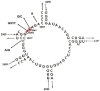
Mycoplasma pneumoniae pneumonia (MPP) is one of the most common forms of community-acquired pneumonia in children and adolescents. Outbreaks of MPP occur in 3- to 7-year cycles worldwide; recent epidemics in Korea occurred in 2006–2007, 2011, and 2015–2016. Although MPP is known to be a mild, self-limiting disease with a good response to macrolides, it can also progress into a...
- Original Article
- General Pediatrics
- Sleep problems in children and adolescents at pediatric clinics
- Dong Soon Kim, Cho Long Lee, Young Min Ahn
- Clin Exp Pediatr. 2017;60(5):158-165. Published online May 31, 2017
-
Purpose To investigate the frequency of childhood sleep problems at pediatric clinics in Seoul and Gyeonggi provinces.
Methods Children (n=936) and their parents who visited 5 primary and 1 secondary pediatric outpatient clinics were invited to complete a Pediatric Sleep Questionnaire.
Results Among patients, 901 (96.3%) answered questionnaires in sufficient detail for evaluation. The participant's mean age was 4.35±3.02 years (range, 0–18 years). The male...
- Pulmonology
- Prevalence and clinical manifestations of macrolide resistant
Mycoplasma pneumoniae pneumonia in Korean children - Eun Lee, Hyun-Ju Cho, Soo-Jong Hong, Jina Lee, Heungsup Sung, Jinho Yu
- Clin Exp Pediatr. 2017;60(5):151-157. Published online May 31, 2017
-

Purpose Macrolide resistance rate of
Mycoplasma pneumoniae has rapidly increased in children. Studies on the clinical features between macrolide susceptible-M. pneumoniae (MSMP) and macrolide resistant-M. pneumoniae (MRMP) are lacking. The aim of this study was to identify the macrolide resistance rate ofM. pneumoniae in Korean children withM. pneumoniae penupmonia in 2015 and compare manifestations between MSMP and MRMP.Methods Among 122...
- Allergy
Clostridium difficile colonization and/or infection during infancy and the risk of childhood allergic diseases- Sun Hwa Lee, Yun Na Gong, Eell Ryoo
- Clin Exp Pediatr. 2017;60(5):145-150. Published online May 31, 2017
-
Purpose The gut microbiota can influence several diseases through immune modulation; however, the exact role of microbes such as
Clostridium difficile and the relationship between microbiota colonization and allergic diseases are not well known. This study aimed to determine the relationship betweenC. difficile colonization and/or infection (CDCI) during infancy and allergic diseases during early childhood.Methods Infants 1–12 months of age presenting changes in...
- Neonatology (Perinatology)
- Healthcare access challenges facing six African refugee mothers in South Korea: a qualitative multiple-case study
- Min Sun Kim, In Gyu Song, Ah Reum An, Kyae Hyung Kim, Ji Hoon Sohn, Sei Won Yang
- Clin Exp Pediatr. 2017;60(5):138-144. Published online May 31, 2017
-
Purpose Following legal reform in 2013, the annual number of asylum seekers entering South Korea has increased from 1,143 in 2012 to 5,711 in 2015. We interviewed six African refugee mothers of young children regarding their health needs and barriers to access maternal child health services.
Methods We recruited mothers who had visited a clinic for immigrants between July 2013 and August 2015....
- Review Article
- Oncology
- Prognostic factors and treatment of pediatric acute lymphoblastic leukemia
- Jae Wook Lee, Bin Cho
- Clin Exp Pediatr. 2017;60(5):129-137. Published online May 31, 2017
-
The event-free survival (EFS) for pediatric acute lymphoblastic leukemia (ALL) has shown remarkable improvement in the past several decades. In Korea also, a recent study showed 10-year EFS of 78.5%. Much of the improved outcome for pediatric ALL stems from the accurate identification of prognostic factors, the designation of risk group based on these factors, and treatment of appropriate duration...
- Original Article
- Infection
- Effects of clarithromycin treatment in scrub typhus in children: comparison with chloramphenicol and azithromycin
- Min Lee, June Kim, Dae Sun Jo
- Clin Exp Pediatr. 2017;60(4):124-127. Published online April 25, 2017
-
Purpose Chloramphenicol and tetracycline are not recommended for treating scrub typhus in pediatric patients because of potential side effects, such as aplastic anemia or tooth discoloration. While clarithromycin has recently been used in adults, few reports have been published on its effects in pediatric patients. We report the clinical profiles of pediatric scrub typhus and the effects of clarithromycin on scrub...
- Nutrition
- Effect of tuberculosis treatment on leptin levels, weight gain, and percentage body fat in Indonesian children
- Maria Mexitalia, Yesi Oktavia Dewi, Adriyan Pramono, Mohammad Syarofil Anam
- Clin Exp Pediatr. 2017;60(4):118-123. Published online April 25, 2017
-
Purpose Tuberculosis (TB) remains a problem in the community. TB patients usually experience malnutrition, which is characterized by both decreased body weight (BW) and body fat percentage (BFP). Leptin, an important regulator of BW, also plays an important role in cellular immunity, which is integral to defense against
Mycobacterium tuberculosis infection. We analyzed the effect of an anti-TB treatment regimen on...


-

-
-

-

-
Impact Factor4.2
-
6.52022CiteScore92nd percentilePowered by